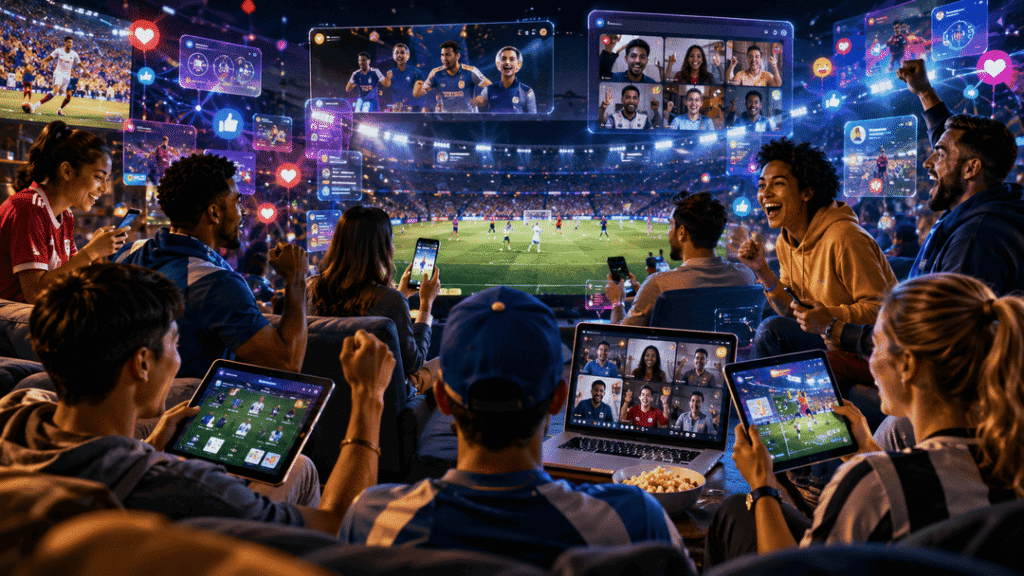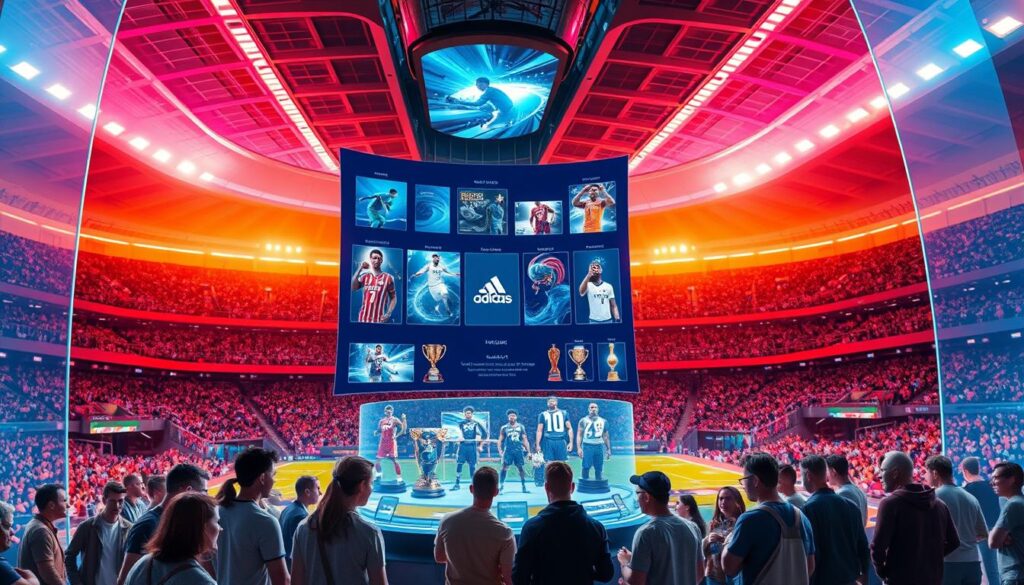
Remember when physical trading cards were the ultimate flex? The smell of fresh cardboard and the thrill of pulling a rare card were unmatched. Now, we buy digital versions of sports moments with our credit cards.
Blockchain didn’t just change finance. It turned fandom into a digital battleground. NBA Top Shot users spent $589 million on “moments” that were as short-lived as a TikTok video. Sorare made soccer stars into fantasy league crypto assets, with values changing fast.
Beeple’s $69 million JPEG is like finding a rare Honus Wagner card. It shows how valuable digital items can be.
NFTs are the rookie cards of the Metaverse era. Millennials hold onto their old cards, while Gen Z trades digital ones like stocks. Social media has made it easier to turn highlights into digital collectibles. Even esports teams let fans vote on jersey designs with fan tokens.
This isn’t just about making money. It’s about what it means to own something in a digital world. The real question is when your grandma will brag about her Bored Ape Yacht Club membership.
Introduction: What are NFTs and Fan Tokens?
Forget dusty shoeboxes of trading cards – we’re living in the era of digital bragging rights. NFTs (non-fungible tokens) are like blockchain-powered certificates of authenticity. They are unique, un-copyable, and logged on a public ledger. Imagine combining this tech with sports fandom. That’s what sports fan tokens are – the crypto cousins that promise more than just speculative thrills.
Let’s cut through the jargon. Fan tokens are like loyalty programs on steroids. Take Paris Saint-Germain’s $Messi token: it skyrocketed 500% after his signing, then crashed harder than a TikTok stock tip. This volatility isn’t a bug – it’s a feature of the blockchain in sports playground, where hype and utility wrestle like linebackers.
But here’s where it gets interesting. Platforms like Socios.com use CHZ blockchain to turn token ownership into real-world perks. We’re talking VIP match tickets, meet-and-greets, and… voting on jersey designs? (Ah yes, the digital equivalent of choosing cafeteria pizza toppings.) According to TIGER 21’s investment panel, 68% of sports token buyers care more about community status than profits. Translation: Gen Z would prefer to show off exclusive access on Instagram than hoard Bitcoin.
So what’s the actual utility? Let’s break it down:
- Ownership receipts: Your NFT is a tamper-proof deed to that LeBron dunk clip
- Fan governance: Tokens grant voting rights (even if the choices are glorified PR stunts)
- Rewards ecosystem: Staking tokens unlocks experiences money can’t normally buy
Yet, skepticism lingers like halftime nacho breath. When platforms claim “revolutionary engagement,” ask: Are we building a new economy – or just digitizing stadium foam fingers? The answer, much like Messi’s footwork, depends on your angle.
NFT Boom in Sports: The New Trading Card
The sports memorabilia world has changed with blockchain technology. What was once digital art has now entered the sports scene. Leagues and athletes are creating digital collectibles quickly. This has made digital collectibles the new favorite for sports fans.
From Trading Floors to Blockchain Scores
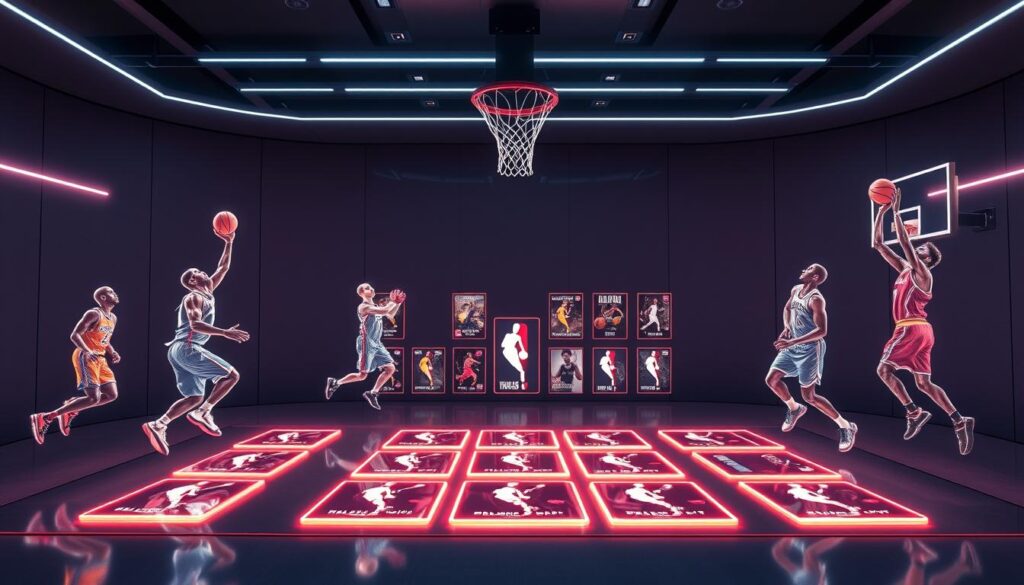
NBA Top Shot created a digital space for sports fans. It offers 18,000+ “moments” that are like digital trading cards. These moments, like LeBron’s dunks, have become highly sought after.
Reddit’s r/NBATopShot community loves to discuss these moments. They analyze them like wine experts. For example, they might say a Zion Williamson moment has a great taste but might be risky.
Panini’s Digital Identity Crisis
Panini is trying to mix digital and physical cards. But it feels like a mix of old and new. This approach is not winning over collectors.
One Redditor called it like using a self-driving horse carriage. It doesn’t feel right.
| Platform | Key Innovation | Collector Appeal |
|---|---|---|
| NBA Top Shot | Video moment NFTs | Game-used highlight ownership |
| Panini NFTs | Physical/digital hybrids | Nostalgia meets Web3 |
| Sorare | Fantasy soccer NFTs | Playable digital assets |
The New Rookie Cards
Today, collectors focus on when something was created. A viral Ja Morant dunk is now a collectible. It shows the power of blockchain.
Collectable’s CEO said these aren’t just images. They are like box scores for the digital age. Sharing these moments online can turn into a trading frenzy.
The market is growing fast. But, it can also crash quickly. Be careful with your digital investments.
Why Teens and Young Adults Love Digital Collectibles
Varsity jackets and limited-edition sneakers are out. Gen Z now shows off digital collectibles in their crypto wallets. These items offer ownership, exclusivity, and social status. They mix the excitement of fantasy sports with the thrill of TikTok trends.
Why do 42% of millennial collectors and their younger friends love blockchain-based collectibles? It’s all about bragging rights.
From Discord Roles to Digital Thrones
Letterman jackets used to tell your high school story. Now, teens show off NFT-gated Discord channels like Sorare’s fantasy soccer leagues. Owning a rare Mbappé card is more than fandom; it’s a sign of belonging.
Here are three reasons why this is so appealing:
- Provable scarcity: That LeBron dunk NFT? Only 50 exist – and blockchain proves you’re not screenshot-faking it
- Gamified status: Socios’ leaderboards turn token holders into VIPs, like earning Xbox achievements for sports knowledge
- Community cachet: Owning a Bored Ape isn’t just art – it’s the Web3 equivalent of a country club membership
Instagram Stories Are the New Trading Card Binders
Why quietly collect Panini stickers when you can blast NFT purchases to 10K followers? Platforms like NBA Top Shot turned highlights into social currency:
| Old Flex | New Flex | Clout Multiplier |
|---|---|---|
| Concert ticket stubs | Token-gated merch drops | 3.5x (per SocialChain data) |
| Fortnite skins | Animated NFT PFPs | 7.2x engagement boost |
It’s not just about owning digital assets. It’s about using them to show off on social media impact on sports culture. When a 19-year-old tweets their CryptoPunk with “Accidentally bought this instead of concert tickets 😅”, they’re not apologizing. They’re showing off.
Blockchain, Security, and Real-World Impact
Imagine blockchain as the overqualified bouncer at an exclusive club—it doesn’t just check IDs, it etches your name into digital stone. This isn’t just crypto talk. Sports teams are using this tech to make fan loyalty worth something real. It’s changing the game from the field to your living room.
How NFT Ownership Works
Buying an NBA Top Shot highlight isn’t just getting a picture. Blockchain acts as a digital notary, proving you own it worldwide. It’s like a permanent fingerprint that can’t be erased.
That LeBron dunk clip you own? Its realness is checked by blockchain, not middlemen. It’s like having a certificate of authenticity from Satoshi Nakamoto, minus the Bitcoin pizza regrets.
Access to Real-Life Fan Experiences via Tokens
Remember when “exclusive access” meant pricey Taylor Swift concert tickets? Sports tokens are changing that. Aston Martin F1’s token holders got VR pit lane passes so real, you could smell the rubber.
Platforms like Binance Fan Shop offer cool perks. You can get player-designed merch drops or AR stadium tours. It’s not just about showing off—it’s about real experiences that make others jealous.
The Risks: Overhype, Scams & Legal Issues
The digital gold rush isn’t all fun and games. Sports fan tokens promise special experiences, but NFTs can be a gamble. Remember Beeple’s $69 million NFT crashing 99%? That’s the norm, not a glitch.
Three big warning signs face NFT marketplaces:
- Rug pulls that are way worse than fantasy league scams
- Pump-and-dump schemes (like what happened with Messi tokens)
- Regulatory issues from places like Spain’s CNMV
Last year’s “Messi token” craze saw prices jump 1,000% then crash. These aren’t just collectibles – they’re risky investments. Even digital memorabilia, like a virtual Messi signature, could lose value fast.
The SEC is cracking down on sports fan token sites. Spain’s financial watchdog warned about “irresponsible marketing” in 2022. But platforms keep selling digital items with little stability.
Here’s a harsh truth: Your NFT collection could turn into trash. Unlike old trading cards, digital items can disappear quickly. The blockchain ledger is more like a record of bad choices.
Before jumping into NFT marketplaces, think: Are you collecting, or being collected? The line gets blurry fast. With scams on the rise and regulators watching, even fans should ask – are we playing the game, or being played?
The Future: What’s Next for Sports NFTs & Fan Tokens?
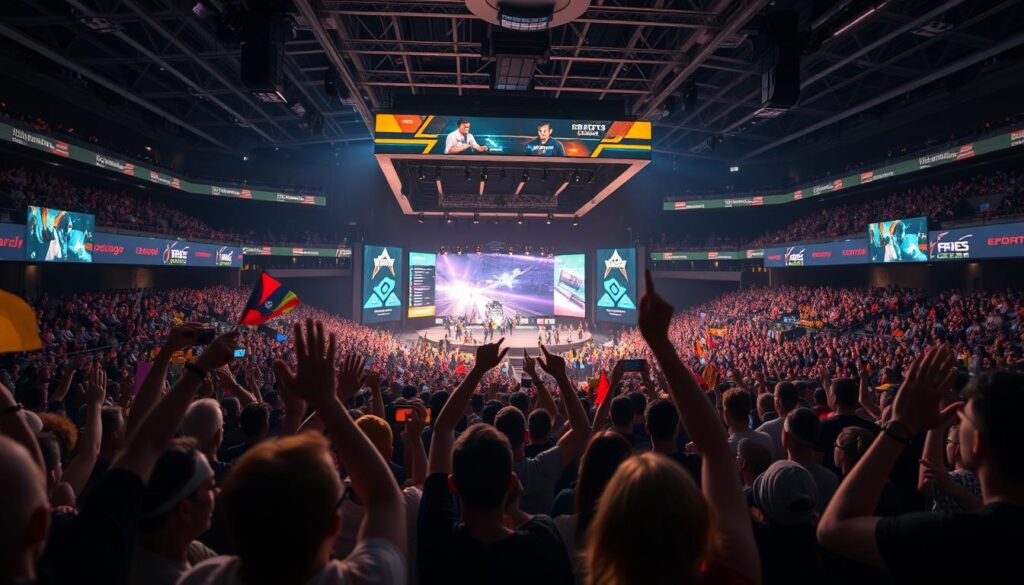
Imagine stepping into a digital arena where your fan token unlocks augmented reality stats. These stats hover over the court like Tony Stark’s holograms. Welcome to sports fandom’s Ready Player One moment – where blockchain meets battlegrounds. The next evolution isn’t just about collecting pixels; it’s about rewriting how we experience sports culture.
Esports organizations like Team Heretics are already blurring lines between physical and digital engagement. Their tokens don’t just grant VIP Discord access – they’re golden tickets to influence roster decisions through blockchain-powered voting. UFC’s Dana White nailed it: “Tokens are the new pay-per-view.” Soon, your favorite fighter’s walkout song might be crowd-sourced via token holders.
Stadiums will become hybrid playgrounds. Picture scanning your NFT at Yankee Stadium to activate AR overlays showing Aaron Judge’s exit velocity on every swing. Platforms like Collectable are pioneering fractional ownership – think owning 0.5% of LeBron’s iconic dunk while earning royalties from its use in highlight reels. Fantasy sports technology will merge with these models, letting fans assemble NFT-based dream teams that accrue real value.
The real collision? Virtual merch. Fortnite’s skin economy meets sports licensing, creating cross-platform avatars wearing limited-edition digital jerseys. Buy a Lakers NFT hoodie in Decentraland, wear it in Roblox – suddenly every metaverse becomes your personal bleacher section.
But here’s the curveball: As AR glasses go mainstream, token-gated experiences will become status symbols. That obscure crypto punk hoodie you bought in 2022? It just became your augmented reality flex at the 2030 World Cup. The line between superfan and stakeholder? About as clear as a ref’s VAR decision.
Conclusion
Babe Ruth’s 1914 tobacco card sold for $7.2 million in 2022. LeBron James’ 2020 dunk as an NBA Top Shot NFT? $387,000 – for pixels. The game hasn’t changed. We’ve just swapped cardboard sleeves for blockchain receipts.
Digital collectibles let fans own sliceable history. Whether through Sorare’s fantasy soccer tokens or Pac-12’s athlete-driven NFTs, fans can own a piece of history.
The $200M+ fan token economy proves we’re beyond speculation. Juventus’ JUV token holders vote on goal songs. Manchester City’s NFT members get VR training access.
This isn’t your grandfather’s baseball card collection – it’s keys to the stadium. It’s not just collecting; it’s participating in the game.
TIGER 21’s prediction that 58% of members plan crypto collectible investments by 2025 reveals where this heads. Sports NFTs create new career paths. Smart contract designers for ticket sales, metaverse stadium architects, blockchain authenticity auditors.
The next Moneyball innovator might code DApps, not crunch RBIs. The future of sports is digital, and it’s exciting.
Will your Sports NFTs appreciate like Ruth’s card or crash like Beanie Babies? Ask the crypto wallets. But when your grandkids discover your LeBron blockchain moments while cleaning the digital attic, they’ll understand why you kept yelling “HODL” at the TV.