Training technology for young athletes is becoming more useful because the biggest advantage is not always a faster sprint, a stronger lift, or a better highlight clip. The real value is helping young athletes build repeatable habits, understand their bodies, and train with more intention before small mistakes become bigger problems.
The Real Opportunity Is Better Habits, Not More Gadgets
The mistake many families make is treating technology like a shortcut. A smartwatch, training app, video tool, or digital calendar cannot replace coaching, effort, sleep, nutrition, or patience. What it can do is make habits easier to see.
Young athletes often train hard, but they do not always train consistently. They may remember the big workout and forget the recovery day. They may feel tired for a week but never connect that fatigue to poor sleep, skipped meals, or too many intense sessions in a row. Technology helps turn those patterns into something visible.
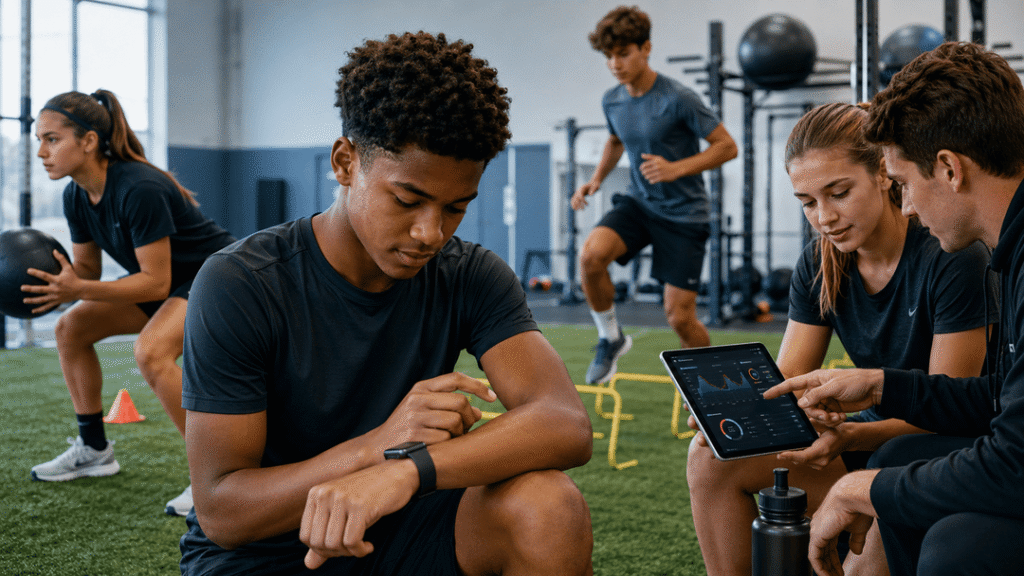
That visibility matters because good training is built on feedback. A simple app that tracks practice days, sleep quality, soreness, hydration, and mood can teach an athlete to recognize cause and effect. Over time, the athlete starts asking better questions: Why did I feel slow today? Did I recover enough? Am I improving, or just doing more?
That is where the habit begins. The goal is smarter athletic consistency, not constant monitoring.
Why Training Technology For Young Athletes Should Start Simple
The best technology plan is usually the least complicated one. Young athletes do not need a dashboard full of advanced metrics before they understand their own routine. They need a few repeatable behaviors that make training easier to manage.
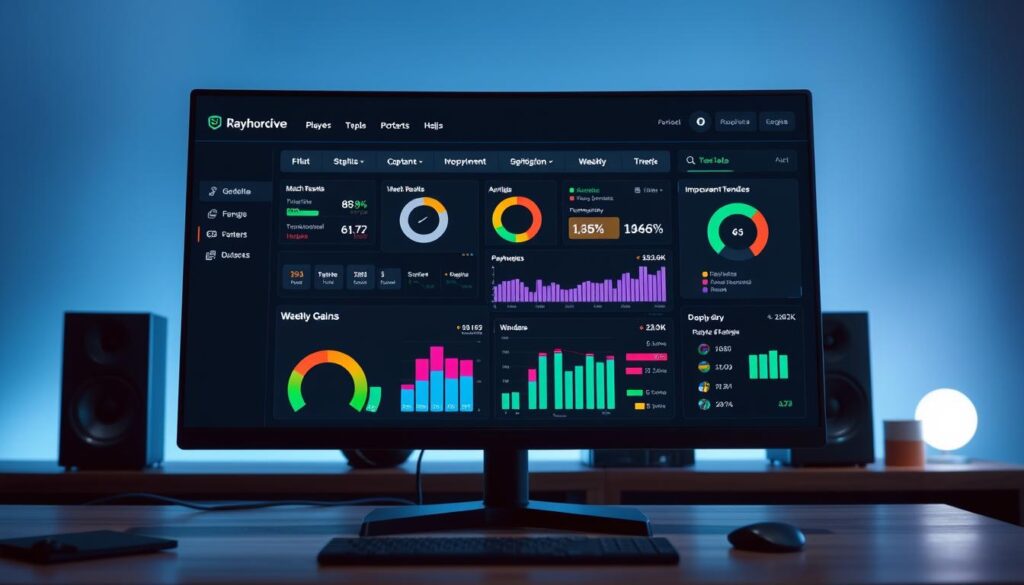
A useful starting point is a weekly training log. It can be a spreadsheet, notes app, team platform, or dedicated fitness app. The athlete records what they did, how they felt, and one thing they learned. That small habit builds accountability without turning training into homework.
Families can also use the CDC’s physical activity guidance for school-aged children as a practical baseline for understanding daily movement, aerobic work, and muscle- and bone-strengthening activity. The point is not to make every child follow the same training plan. The point is to keep technology connected to healthy development instead of performance pressure alone.
Here is a simple way to think about which tools support which habits:
| Training Habit | Useful Technology | What It Helps Track |
|---|---|---|
| Consistent practice | Calendar or team app | Sessions, reminders, missed days |
| Recovery awareness | Sleep or wellness log | Fatigue, soreness, mood |
| Skill improvement | Video analysis | Form, technique, decision-making |
| Goal setting | Notes app or spreadsheet | Weekly targets and progress |
| Communication | Shared folder or portfolio | Achievements, clips, updates |
The key takeaway is that technology works best when each tool has a job. If a device or app does not help the athlete act better, recover better, or communicate better, it may only be adding noise.
Video Can Teach What Verbal Coaching Sometimes Misses
Video is one of the most practical tools for young athletes because it makes technique easier to understand. A coach can explain footwork, posture, balance, release point, or body position, but many athletes grasp the lesson faster when they can see it.
That does not mean every practice needs to become a filming session. Overuse of video can make athletes self-conscious or overly focused on looking perfect. The better approach is targeted review. Record a few reps, identify one correction, then let the athlete practice without constant interruption.
Video also helps separate effort from execution. A player may feel like they are moving quickly, but the footage may show wasted steps. A runner may believe their form is smooth, but the video may reveal tension, overstriding, or fading posture. A young athlete can learn that improvement is not only about trying harder. Sometimes it is about seeing better.
This is where coaches and parents should be careful. Technology should support learning, not create embarrassment. The tone matters. Video review should feel like a teaching tool, not a public critique.
Recovery Data Can Prevent The “More Is Always Better” Trap
Youth sports culture often rewards constant activity. More practices, more private coaching, more tournaments, more showcases, more pressure. Technology can make that worse if every number becomes a competition. But used properly, it can also help young athletes understand that recovery is part of training.
A soreness rating, sleep note, or simple energy score can reveal when an athlete is pushing through too much. That matters because young athletes are still growing, and repeated stress without enough recovery can increase the risk of fatigue, poor performance, and avoidable injury. The American Academy of Pediatrics offers practical guidance on preventing overuse injuries in young athletes, which is especially relevant when year-round training becomes intense.
The best recovery tracking is not fear-based. It should not make athletes anxious about every ache. It should help them notice patterns. If performance drops when sleep drops, that is useful. If soreness stays high after repeated intense sessions, that is a signal. If motivation falls, that may matter as much as any physical metric.
The real lesson is recovery as performance, not recovery as weakness.
Digital Goals Should Build Ownership, Not Dependence
Technology becomes more powerful when young athletes use it to take ownership of their progress. That means setting goals they can control.
A weak goal sounds like: “Get recruited,” “be the best,” or “win every game.” Those may be motivating, but they are too broad and partly outside the athlete’s control. A stronger digital goal might be: complete three quality mobility sessions this week, review one video clip after practice, record sleep for five nights, or improve free-throw routine consistency across ten sessions.
These smaller goals create momentum. They also teach athletes how progress actually works. Improvement usually comes from repeated, boring, well-managed actions—not dramatic bursts of motivation.
For athletes thinking about long-term opportunities, technology can also help organize their story. A clean record of training habits, academic progress, clips, awards, and reflections can support an athlete’s broader development. Building an online portfolio that showcases athletic and academic growth gives young athletes a structured way to present more than highlights alone.
That matters because coaches, mentors, and schools often want to see maturity, consistency, and communication. A portfolio can show the person behind the performance.
The Signals That Show A Digital Habit Is Actually Working
The best sign is not that the athlete has more data. It is that the athlete makes better decisions.
A useful technology habit should lead to clearer communication with coaches, fewer missed sessions, better recovery choices, more focused practice, and a stronger understanding of personal progress. If the athlete only collects numbers but changes nothing, the tool is not doing enough.
Parents should watch for balance. Is the athlete becoming more confident or more anxious? Is the app helping them prepare, or is it making them compare themselves constantly? Is tracking encouraging consistency, or turning every workout into judgment?
Coaches should watch for another signal: whether athletes can explain their own development. When a young athlete can say, “I noticed I perform better after better sleep,” or “My footwork improved when I slowed down the first step,” technology is doing its job. It is building awareness.
That awareness is the real competitive edge because it can travel with the athlete from one season, coach, or sport to another.
Training technology for young athletes should never turn childhood sports into a lab experiment. Its best role is quieter and more useful: helping athletes build routines, protect recovery, learn from feedback, and take responsibility for their progress. The opportunity now is to use digital tools with restraint and purpose, so young athletes do not just train more—they learn how to train better.