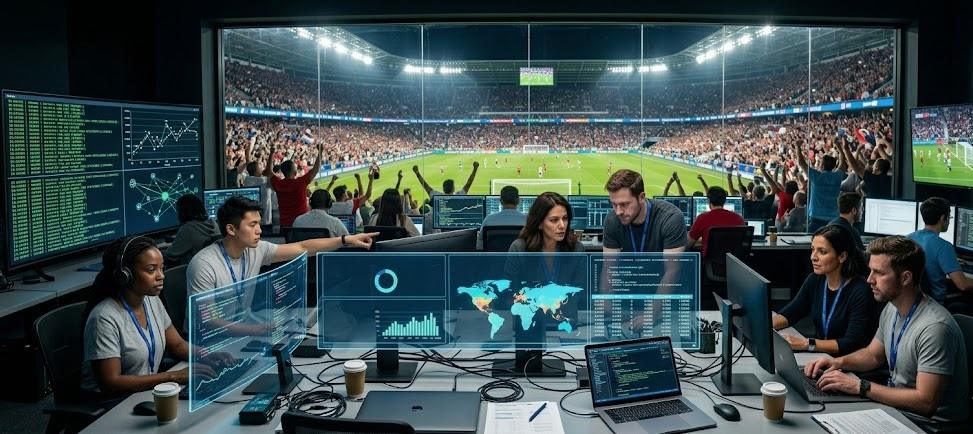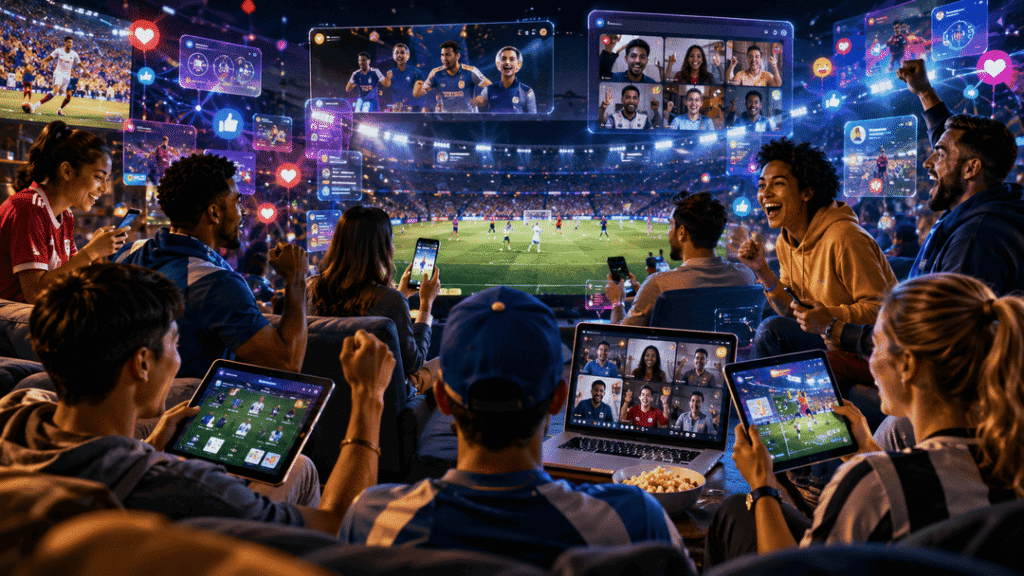
Digital fan communities are no longer side conversations happening around sports; they are becoming part of the sports experience itself. As supporters move between livestreams, group chats, fantasy contests, esports spaces, and creator-led platforms, fandom is shifting from passive loyalty into a more active form of participation.
How Digital Fan Communities Turn Support Into Daily Participation
Traditional sports fandom used to be shaped by geography, family habits, television schedules, and game-day rituals. Those things still matter, but digital spaces have changed the rhythm. A supporter does not have to wait for matchday, a newspaper column, or a radio segment to feel connected to a team or athlete.
Now, the conversation is continuous. Fans react to injuries, tactics, transfers, training clips, highlight edits, rumors, interviews, and memes almost as soon as they appear. That constant flow can make sports feel more immediate, but it also changes the emotional pace of fandom.
The key shift is that fans are not only watching. They are posting, debating, remixing, predicting, organizing, ranking, and challenging one another. For many supporters, the online community is where fandom becomes visible. A team may provide the original story, but the community gives that story its texture.
This matters because participation now defines loyalty as much as attendance or viewership. The most engaged fans are not always the ones closest to the stadium. They may be the ones running a Discord group, editing highlight clips, hosting watch parties, or keeping a niche fan forum alive through the offseason.
The New Belonging Is Built Around Shared Identity, Not Just Shared Location
Sports have always created belonging, but digital communities widen who gets to belong and how. A fan in a small town, another country, or a different time zone can still find people who understand the same emotional investment. That is especially powerful for supporters of niche sports, women’s sports, esports, youth development, or teams with global followings.
Online spaces also allow fans to choose more specific identities. Someone may be a tactical analyst, memorabilia collector, fantasy sports obsessive, youth-sports parent, sneaker culture follower, or esports viewer. These identities overlap, and digital platforms make it easier for fans to find their lane.
For broader context on how online behavior shapes modern connection, Pew Research Center’s digital life research offers a useful starting point for understanding how people use technology to form relationships, share information, and build communities.
The opportunity is clear: sports organizations can reach supporters who were once difficult to serve. The risk is that belonging can become conditional. If fan spaces reward only the loudest opinions, the fastest reactions, or the most extreme takes, communities can become less welcoming. Healthy digital fandom depends on more than activity. It needs norms, moderation, and a reason to return beyond outrage.
Competition Has Moved Beyond The Scoreboard
One of the most important changes in modern fandom is that supporters now compete with each other as much as they support teams. Fantasy leagues, prediction games, fan polls, trivia challenges, video-game tournaments, creator contests, and social ranking systems have turned fandom into a participatory arena.
That does not weaken traditional sports. In many cases, it deepens attention. A casual viewer may become more invested after joining a fantasy league. A young supporter may learn more about players through gaming. A fan who rarely attends games may still feel competitive pride through online challenges or digital leaderboards.
This is where the line between sports fandom and gaming culture becomes harder to separate. The growth of esports has trained younger audiences to expect interaction, personalization, and community competition. The official Olympic esports platform reflects how seriously major sports institutions now treat competitive digital engagement.
The table below shows how digital communities are changing the core habits of sports supporters.
| Fan Behavior | Traditional Pattern | Digital Community Shift |
|---|---|---|
| Connection | Local groups, family, stadium culture | Global chats, forums, livestreams, social platforms |
| Competition | Team results and rivalries | Fantasy leagues, predictions, esports, fan rankings |
| Belonging | Geography and lifelong loyalty | Shared interests, subcultures, creator-led groups |
| Influence | Limited fan feedback channels | Real-time reactions, campaigns, creator amplification |
| Memory | Broadcast highlights and newspapers | Clips, memes, archives, threads, fan-made storytelling |
The takeaway is that digital fandom does not replace the original sports product. It surrounds it with extra layers of meaning. The match still matters, but so does the conversation before, during, and after it.
The Hidden Risk Is Community Without Accountability
Digital fan communities can be energizing, creative, and deeply loyal. They can also become volatile. The same tools that help supporters connect can amplify harassment, misinformation, pile-ons, gambling pressure, and unhealthy parasocial behavior.
A rumor can travel faster than verification. A bad performance can turn into targeted abuse. A young athlete can become the subject of intense public commentary before they are prepared for that visibility. Even well-intentioned fans can contribute to pressure when every clip, mistake, and reaction becomes content.
This is the part of the story that sports brands, schools, leagues, and community managers cannot afford to underestimate. Digital community is not just a marketing channel. It is a social environment. If it is unmanaged, it can damage trust.
The best communities create clear standards of behavior without killing personality. They allow debate without making cruelty feel normal. They encourage loyalty without demanding blind agreement. That balance is difficult, but it is becoming one of the defining skills of modern fan engagement.
For CampTechwise readers, this also connects to the broader shift explored in the new wave of sports fan engagement, where technology is making fandom more interactive, competitive, and layered than the old broadcast-first model.
Why Teams And Creators Are Competing For The Same Fan Attention
Sports organizations used to control most of the official narrative. They still own access, schedules, branding, and live events, but they no longer control the entire conversation. Creators, fan pages, podcasters, streamers, analysts, and community moderators now shape how fans interpret what happens.
That creates tension. Teams want loyal audiences. Creators want independence. Fans want authenticity. The strongest digital communities often form where those interests overlap but are not forced into a polished corporate voice.
This is why creator-led fandom is so influential. Fans may trust a community host more than an official team account because the host speaks in the language of the audience. That does not make official channels irrelevant. It means teams need to understand that modern supporters often move through a network of voices before forming opinions.
The opportunity is smarter fan relationships. Teams can learn from community behavior, identify emerging interests, support responsible creators, and build more meaningful digital experiences. The danger is treating every fan interaction as a content funnel. Supporters can sense when community is being reduced to metrics.
The Next Signal Will Be Whether Digital Belonging Becomes Durable
The strongest test for digital fan communities is not whether they can create excitement during a major event. They can. The harder test is whether they can sustain belonging when there is no headline, no controversy, and no championship chase.
Durable communities survive ordinary weeks. They have rituals, shared language, recurring conversations, and members who contribute beyond reacting to news. They make people feel seen, not just counted.
For teams, schools, leagues, and sports-tech builders, the next phase will be less about launching another platform and more about designing better reasons for fans to stay. That may mean better moderation, stronger local-to-global bridges, more interactive storytelling, thoughtful youth protections, and digital experiences that reward knowledge rather than noise.
The future of sports fandom will not belong only to the biggest brands. It will belong to the communities that understand why people gather in the first place.
Digital fan communities matter because they are changing the emotional architecture of sports. They give supporters new ways to connect, compete, and belong, but they also create new responsibilities around trust, behavior, and identity. The opportunity is not simply more engagement. It is a deeper, more participatory kind of fandom that can last if communities are built with care.