Remember when coaches used grainy VHS tapes and relied on gut feelings? Those days are long gone. Today’s game has changed a lot.
We’ve entered the Moneyball era of athletic performance. Now, subjective observations turn into hard data. This change cuts seconds off times and adds inches to jumps.
Modern tech like VueMotion’s computer vision really makes a difference. It improves movement patterns and reduces injuries. The data shows what our eyes might miss.
From tracking ball possession to refining techniques, it’s not just fancy tech. It’s like having a personal sports scientist in your pocket. No lab coat or jargon needed.
Every serious athlete needs this tech. It helps both weekend warriors and aspiring pros. The game has evolved. Shouldn’t your training methods too?
Picking Your Gear: Cameras and Software
Forget the Ferrari-to-grocery-store approach to sports gear – let’s find the sweet spot between your smartphone and equipment that requires venture capital funding.
Your iPhone isn’t just for selfies and doomscrolling. Today’s smartphones capture 4K at 60fps – quality that would have made Spielberg jealous a decade ago. That’s more than enough for analyzing your golf swing or basketball form.
Action cams offer another budget-friendly option. They’re the Swiss Army knives of sports recording – durable, versatile, and won’t make your wallet cry. Mount them anywhere from helmets to tripods for multiple angles.
Now for the secret sauce: analysis software. VueMotion lets you access sophisticated movement analysis from your iPhone, iPad, or any web browser. It’s like having a professional coach in your pocket without the professional price tag.
When it comes to processing your footage, you don’t need a NASA supercomputer. A solid DIY setup includes:
- Gaming PCs with RTX 4060 or better GPUs
- 16-32GB RAM for smooth editing
- Fast SSDs that won’t leave you watching progress bars
- Monitors with 144Hz to 360Hz refresh rates for buttery-smooth playback
This isn’t about having the shiniest toys. It’s about building a smart DIY setup that gives you professional insights without the professional overhead. Because the best gear is the gear that actually gets used, not the stuff that gathers dust while you’re paying it off.
Setting Up Your Space—On a Budget
Forget what you’ve seen on home makeover shows. Creating your home sports lab doesn’t need a second mortgage. Your garage, basement, or spare room can be your analysis headquarters without any trouble.
Smart spatial planning is key. You need zones for different purposes. Think of it as creating mini-departments in your sports analysis empire.
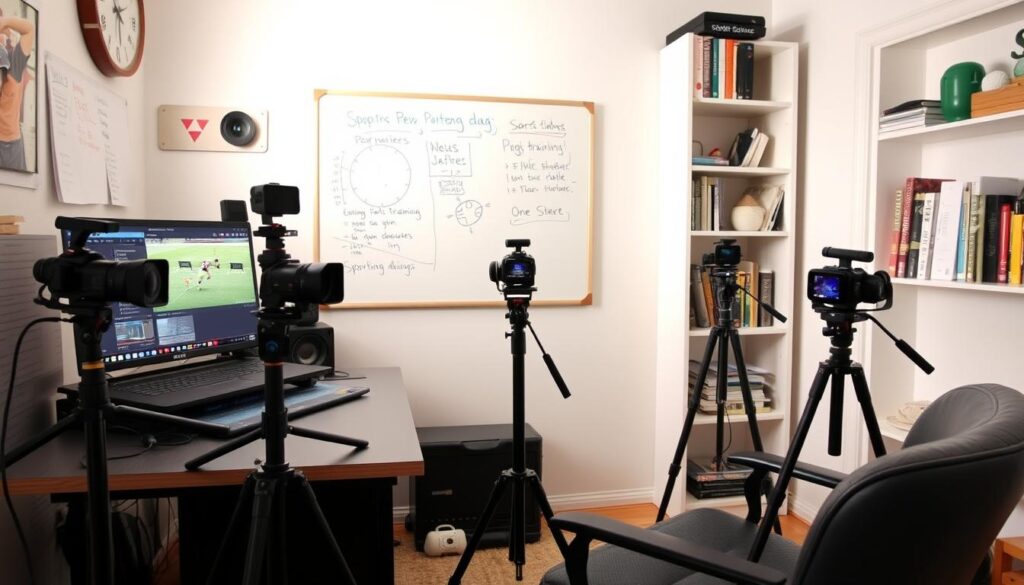
Lighting is important. Natural light is free but not always consistent. Artificial lighting doesn’t need to be expensive. Simple LED panels or adjustable lamps can provide the right light for video analysis.
Acoustic management is also vital. Egg cartons aren’t the best solution unless you want a certain look. Affordable acoustic panels or bookshelves can improve sound quality for recordings.
Furniture that can change is your friend. You need pieces that can be rearranged quickly. Mobile desks, folding chairs, and adjustable stands help you adapt your space for different needs.
| Zone Type | Key Elements | Budget-Friendly Options | Approximate Cost |
|---|---|---|---|
| Recording Area | Camera mount, backdrop, lighting | Smartphone tripod, plain wall, LED lamps | $50-100 |
| Analysis Station | Monitor, computer, seating | Refurbished monitor, existing laptop, comfortable chair | $200-400 |
| Team Review Space | Projector/screen, seating, whiteboard | Wall projector, folding chairs, dry-erase board | $150-300 |
| Storage Solutions | Equipment organization, media storage | Shelving units, labeled bins, cloud storage | $75-150 |
Building a home sports lab can grow with your needs. Start with the basics and add more as you can. Your space should be functional and affordable.
The most expensive equipment won’t help if your space isn’t efficient. Focus on workflow first, then gadgets. Your future self and your team will thank you for a home sports lab that works well.
Recording and Uploading Your Footage
Ever feel like your sports footage is hard to find? It seems to disappear into thin air. Let’s change that.
Recording game footage should be easy, not rocket science. With budget tech, you can get pro-quality video without spending a lot. The key is knowing when to process your footage.
Real-time processing gives you instant feedback during games. It’s like having a coach who never gets tired. Post-processing lets you analyze deeper after the game – like forensic experts.
VueMotion’s app lets you sync up to six iPhone cameras from one device. That’s enough angles to impress even Christopher Nolan. No need for a Hollywood budget.
Choosing between central processing or edge computing is key. It’s like deciding between a command center and a team of experts.
| Processing Type | Best For | Setup Complexity | Cost Impact |
|---|---|---|---|
| Central Processing | Team sports with fixed cameras | Moderate | Higher bandwidth needs |
| Edge Processing | Individual sports analysis | Simple | Lower ongoing costs |
| Hybrid Approach | Most youth sports programs | Flexible | Balanced investment |
Camera angles are more important than camera price. Film from the sideline, not the ankle. Capture the action, not just the grass. Your future self will appreciate it.
File management doesn’t have to be a headache. Use cloud storage with automatic tagging. Create a simple naming system: Sport_Date_PlayerDrill. Suddenly, everything is easy to find.
Streaming video sources can feed directly into analysis software. No more manual uploads. Set it once and forget it – like cruise control for sports analysis.
Remember: the best system is the one you’ll actually use. Start simple. Use one camera, basic software, and a consistent routine. Grow as your needs do.
Free/Low-Cost Analysis Software
Who needs a Swiss Army knife when you can have specialized tools that actually work? The world of sports video analysis has changed fast. I’ve tried more free software than a pirate in the golden age of downloads.
Open-source platforms are like the Linux of sports analytics. They are powerful, customizable, and free if you learn how to use them. They offer insights that are as good as expensive suites.
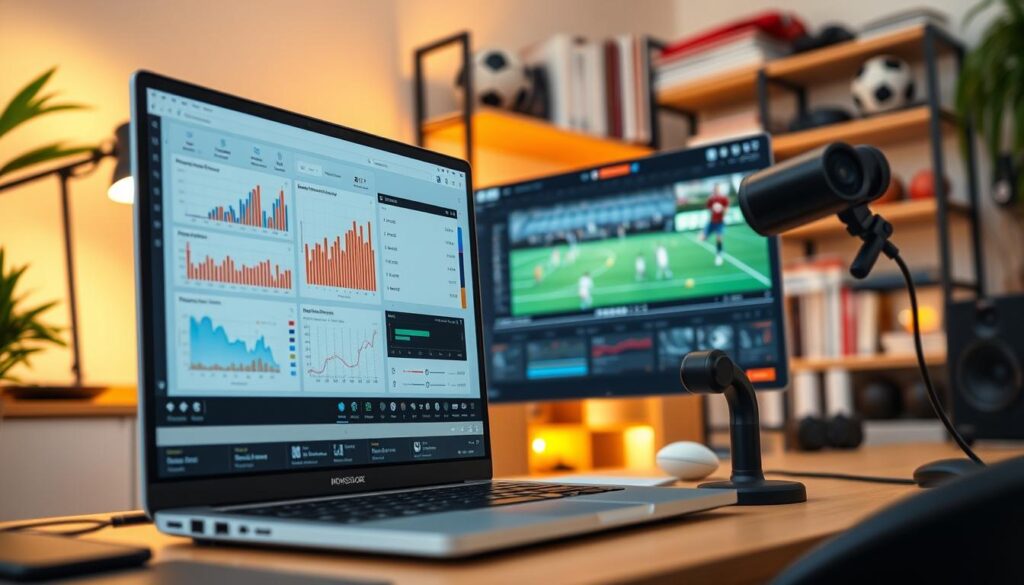
Freemium models are worth checking out. They offer real value before asking for money. You get game analytics and VOD review tools that teams use.
VueMotion is great for those interested in athlete movement. It captures movement in natural environments, like a motion capture studio without the cost.
Using tools like LongoMatch with these platforms changes everything. It’s like going from watching paint dry to understanding your team’s defense.
Here’s what matters most in free analysis software:
- Actual functionality beyond basic playback
- Export capabilities that don’t require a computer science degree
- Community support that doesn’t make you feel stupid for asking
- Regular updates that fix bugs instead of creating new ones
The best part? Most tools work well together. You can tag game events, analyze biomechanics, and improve team communication all for free.
Remember: the most expensive software won’t help if it’s hard to use. The right sports video analysis tools are the ones your staff will actually use on Monday.
Analyzing Form and Strategy
Welcome to the world of sports analysis, where your DIY setup turns into a tool for predicting success. It’s not just about watching games. It’s about understanding the hidden signs of greatness.
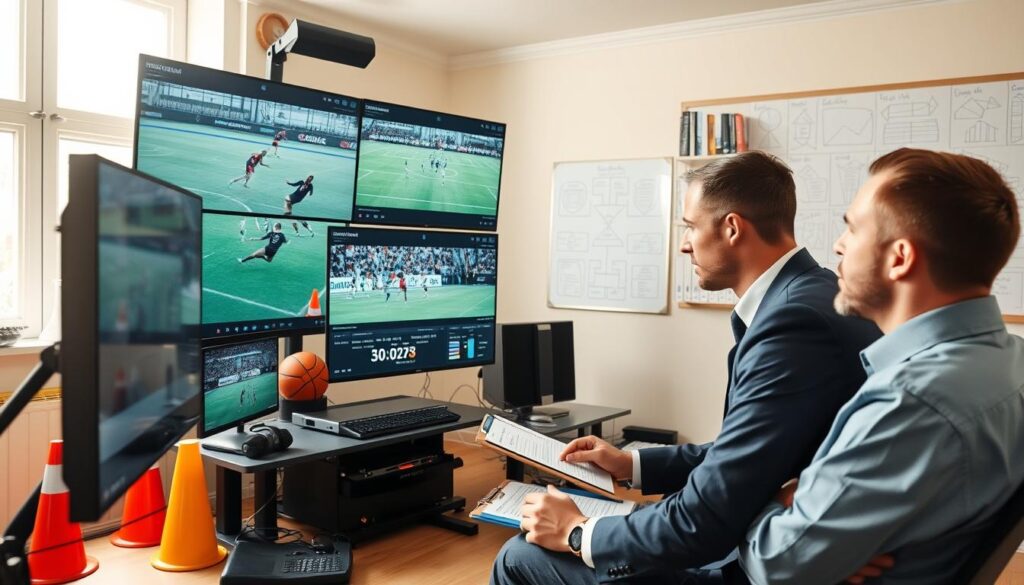
Today’s video analytics are like digital detectives. They examine athletes’ movements with incredible detail. A small hip move or how they jump can reveal a lot about their skill.
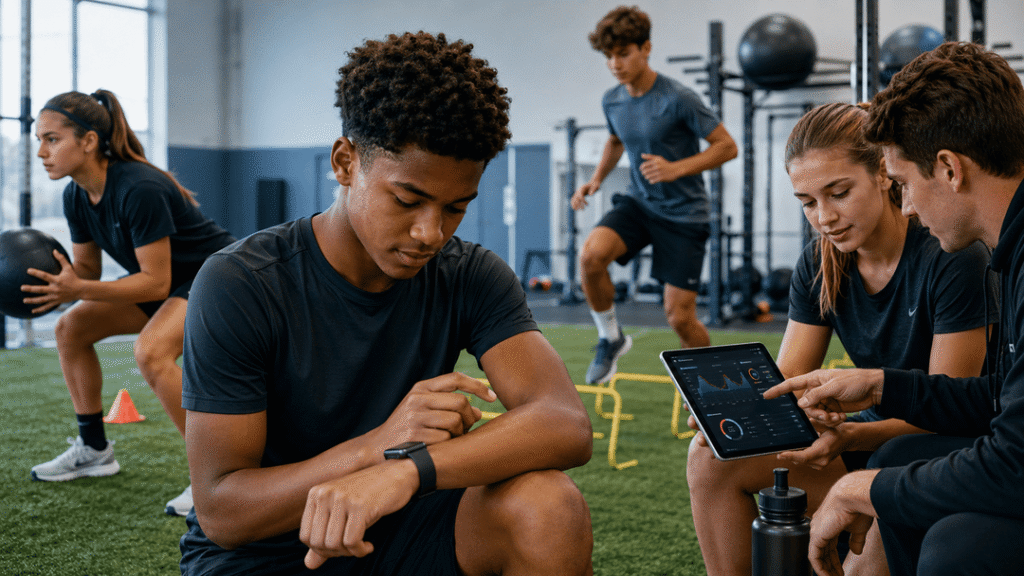
Tools like VueMotion use AI to analyze how athletes move. They look at speed, jumping, and more. It’s like having experts analyze your team’s moves without the cost.
Understanding your team’s strategy is key. But knowing how opponents play is even more powerful. The software can find patterns that your rivals might not even see.
Imagine knowing what an opponent will do next just by watching them. It’s like reading their body language, but with a trophy.
Your DIY setup shines when you focus on three areas:
- Movement efficiency during acceleration and deceleration
- Body alignment during critical moments
- Pattern recognition in opponent strategies
Modern tools make the small details clear. You’ll see what makes one athlete stand out. It’s like having a superpower for sports.
This isn’t just about coaching. It’s about gathering sports intelligence. And now, your living room is the center of it all.
Getting the Team Involved
Turning your home sports lab into a team effort is more than adding chairs. It’s about making a space where everyone can contribute freely. This way, no one feels like they’re stuck in a boring meeting.
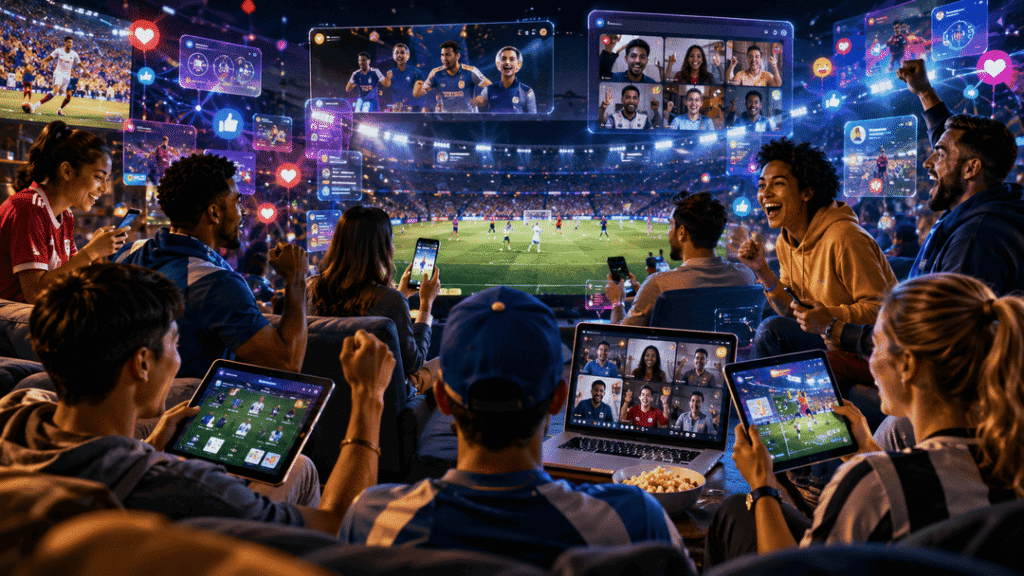
Start with a digital meeting spot, like Discord or TeamSpeak. These platforms are great for live analysis. You can share screens, mark important moments, and have those “aha!” moments together. It’s like your own virtual film room, minus the bad popcorn.
To avoid disagreements, have a plan. Use the sandwich method: start with something positive, then offer feedback, and end with something positive. This way, everyone feels valued, not roasted.
Sharing data can be tricky. Instead of sending huge files, use a cloud system. Google Drive, Dropbox, or a private YouTube channel can handle your videos without causing trouble.
When sharing findings, aim to solve puzzles together, not argue. Ask questions like “Notice how your elbow drops here – is that intentional?” instead of “Your form is wrong.” This approach makes you a team player, not a solo critic.
To really get everyone involved, make your home sports lab a place for events. Host workshops to analyze pro games together. Or, have mini-tournaments where everyone gets to be the analyst. These activities make everyone more invested than any lecture could.
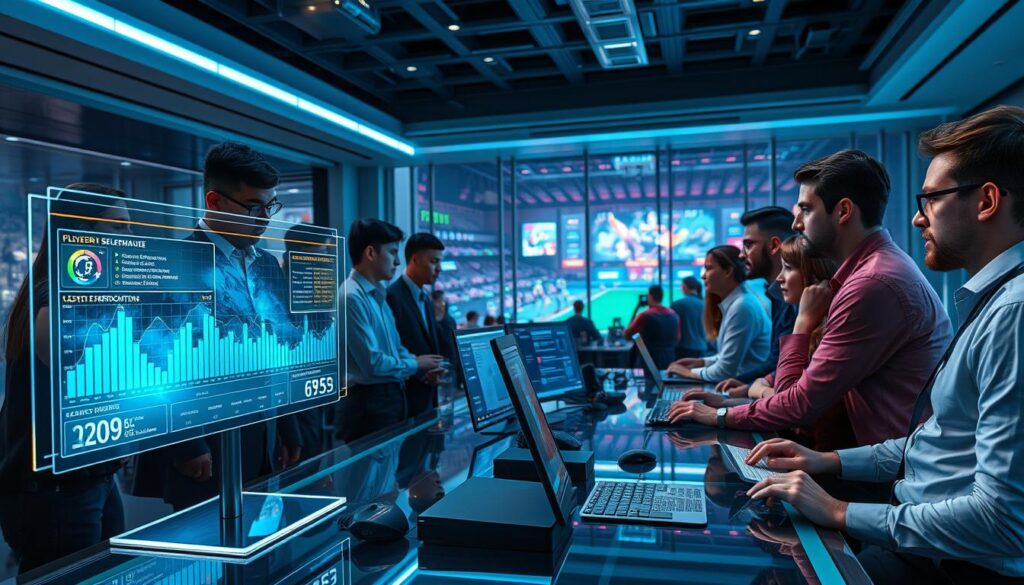
Adding LAN capabilities and team seating makes your space a real training center. It’s like the difference between a home gym and a community fitness center. One is personal, the other impacts more people.
The main goal is to improve together. Your home sports lab succeeds when everyone leaves feeling smarter. It’s not about proving you’re the smartest, but about growing together.
Tips for Best Results
Think your sports analysis setup is ready for prime time? Let me stop you right there – even the best gear can’t overcome poor planning. After helping more athletes than a sports drink commercial, I’ve learned what separates successful analysis from digital frustration.
We’re talking lighting tricks that don’t require a film crew, camera stabilization hacks that would make McGyver proud, and data organization systems that won’t leave you searching for clips like they’re the Lost Ark.
First rule of budget tech club: stable power isn’t optional. Nothing kills momentum faster than your system crashing mid-analysis. Use surge protectors and consider battery backups – they’re cheaper than re-recording entire games.
Internet connectivity needs to be more reliable than a veteran quarterback’s throwing arm. Low-latency connections prevent those awkward pauses that make athletes question your entire operation.
Camera placement deserves more thought than your fantasy football lineup. You need clear views from multiple angles without creating a tripwire course that’d embarrass a Bond villain.
Here’s the secret sauce most manuals won’t tell you:
- Natural light is your best friend – position subjects facing windows
- Smartphone cameras often outperform cheap dedicated cameras
- Cloud storage beats local storage for team collaboration
- Simple labels prevent organizational nightmares
Cooling matters more than you’d think. Overheating equipment performs about as well as I would in the NBA finals. Keep ventilation clear and avoid direct sunlight on your gear.
The central vs edge processing debate isn’t just tech jargon – it’s about workflow efficiency. Central processing gives you more control but demands better hardware. Edge processing lets cameras do heavy lifting but requires smarter initial setup.
| Consideration | Central Processing | Edge Processing | Budget Impact |
|---|---|---|---|
| Hardware Needs | Powerful main computer | Smarter cameras | Higher initial cost |
| Flexibility | Easy adjustments post-capture | Limited changes after recording | Central saves long-term |
| Setup Complexity | Simpler camera placement | More technical configuration | Edge requires expertise |
| Scaling Up | Add cameras easily | Each camera independent | Central better for growth |
Accessibility features aren’t just nice-to-haves. Color contrast settings help players with visual challenges. Audio descriptions assist those who process information better verbally. These adjustments cost nothing but mean everything.
Customization separates adequate analysis from exceptional insights. Different sports demand different camera angles and data points. Basketball needs vertical jump tracking while soccer requires lateral movement analysis.
The best budget tech setups aren’t about spending more – they’re about thinking smarter. Position cameras where they capture the most action with the least movement. Use free software trials before committing. Label everything like you’re organizing the Library of Congress.
Remember: the flashiest equipment won’t save you from poor planning. But thoughtful budget tech choices can make your analysis look like it came from a Hollywood studio.
Conclusion
So, where are we now? We’re likely better at sports and have a garage that’s a bit of a mess. We’ve moved from being newbies to almost experts in sports video analysis.
The real magic of modern sports video analysis is not just the tech. It’s how it makes top-level insights available to everyone. Tools like VueMotion let you access elite performance with just a smartphone.
Whether you’re checking your golf swing or your kid’s soccer moves, you can now have your own sports lab at home. This is similar to how esports labs are changing training in gaming. They’re key for any serious player.
Now, go ahead and start analyzing. Just don’t forget to practice too.