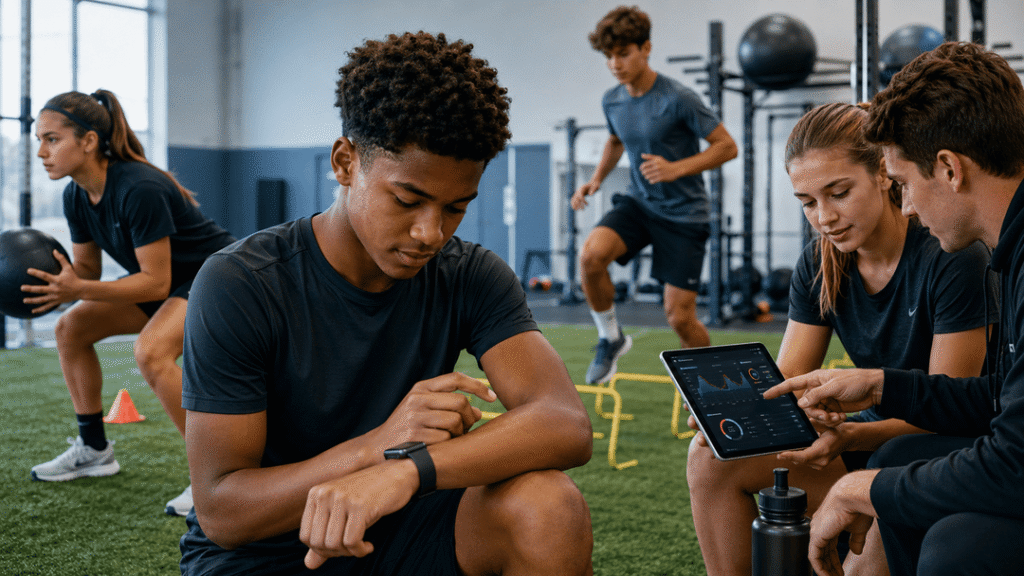
Ever wonder how your favorite team’s analytics got so sharp? Or how fantasy apps seem to know everything about player performance? It’s not magic—it’s something much more amazing.
Imagine a digital team sport where everyone works together. Data engineers, fantasy fans, and even pro teams like Atlanta United join forces. It’s like a perfect team effort in coding.
Projects like SportsDataverse and HorizonOS are leading the way. Everyone contributes their ideas. This isn’t just free software; it’s making innovation open to all in a field once closed off.
So, why should you care? The game is changing in big ways. From better player analytics to more fan engagement, this movement is rewriting the rules. And the old guard didn’t see it coming.
Popular Community Projects
Ever wonder what happens when sports fans get coding skills? You get community sports tech projects that make data sharing easy. These projects are like startups with big dreams and the power of tech giants.
SportsDataverse is a project by Saiem Gilani. It’s not just a data spot—it’s a library of R packages. It lets you get stats from ESPN and KenPom, making data sharing fair.
Game on Paper is another amazing story. Two friends, one a software engineer, the other a data scientist, made advanced analytics open to all. They showed you don’t need a big company to play Moneyball.
HorizonOS by Dream Sports is huge. It handles 300 million users easily. It’s like giving every startup Amazon’s AWS for sports, making things fair.
Why do these projects matter? They make sports tech open to everyone. Instead of keeping data to themselves, they share it freely.
| Project | Creator | Specialty | Impact Scale |
|---|---|---|---|
| SportsDataverse | Saiem Gilani | Data scraping packages | Thousands of analysts |
| cfbscrapeR | Open-source community | College football data | NCAA researchers nationwide |
| Game on Paper | Two data scientists | Advanced analytics tools | Democratizing pro-level analysis |
| HorizonOS | Dream Sports | Infrastructure platform | 300 million users capacity |
The beauty of these community sports tech projects? They show you don’t need a big company to innovate. Sometimes, the best ideas come from a garage, fueled by passion and creativity. The next big thing in sports tech might be in someone’s GitHub right now.
Getting Started: Setting Up Accounts and Tools
Think of your coding toolkit as a digital gym bag. You wouldn’t practice without your gear, right? First, create a GitHub account. It’s your space for all things open-source.
Now, let’s talk about the big guns: Python and R. They’re not just programming languages; they’re your top players for sports data. Need to analyze player stats or predict game results? These tools have you covered.

Docker images are like your personal equipment managers. They make sure everything works well in different settings.
Check out SportsDataverse libraries for quick solutions. Why start from scratch when you can use data from giants? HorizonOS is another great place for creative minds.
Pro tip: GPT tools can be your coding buddy when you’re stuck. They’re like having a coach whispering tips in your ear.
Remember, every great project starts with that first line of code. So, grab your coffee and start building your digital playbook today.
Contributing Code and Ideas
In the open-source world, your keyboard is just the start. Great ideas can be just as valuable as perfect code. It’s like being both the coach and the quarterback in a digital game.
Akshay’s story is inspiring. He went from jailbreak tweaks to porting College Football Coach to iOS. He didn’t start as a pro coder. Instead, he had wild ideas and learned as he went. His journey shows that open-source is about joining in, not being perfect.
GitHub is your playing field where everyone brings their best. The process is simple: fork the project, make changes, and submit a pull request. It’s like calling an audible at the line of scrimmage – sometimes the best plays come from unexpected directions.
But here’s the secret: contribution isn’t just about code. HorizonOS’s open-source model thrives on feature suggestions and bug reports. SportsDataverse needs data enthusiasts as much as Python wizards. Your idea about better player statistics visualization? That could be the next big thing.
Why does this matter? Open-source thrives on collective genius. Your small suggestion might solve a problem that’s been bothering developers for months. It’s like finding the missing piece in a championship puzzle.
| Contribution Type | Skill Level Needed | Impact Level | Sports Tech Examples |
|---|---|---|---|
| Code Contributions | Intermediate to Advanced | High | Bug fixes, feature development |
| Idea Suggestions | Beginner to Expert | Variable to High | Feature requests, UX improvements |
| Documentation | Beginner | Medium | Tutorials, API documentation |
| Testing & Feedback | Beginner | Medium | Bug reports, user experience testing |
The beauty of GitHub is how it levels the playing field. Your GitHub profile is like your digital jersey. It shows your stats, your plays, and your contribution history. It doesn’t matter if you’re a college student or a seasoned pro.
Remember: every major open-source project started with someone’s crazy idea. Your contribution might change how we experience sports technology. So what are you waiting for? The digital field is waiting for your next move.
Joining a Developer Community
Ever wonder where sports tech’s mad scientists gather? Welcome to developer communities – the digital locker rooms where code meets camaraderie. These spaces turn lone wolf maker projects into pack hunts for innovation.

The SportsDataverse Discord community is like Cheers for sports data geeks. Here, developers share stories about their projects. It’s like a startup hackathon that never ends.
Why join these digital watering holes? Three reasons hit harder than a Tom Brady deep ball:
- Collective brainpower: Your stuck coding problem? Somebody’s already solved it
- Networking goldmine: That random chat might land you your next job
- Idea cross-pollination: Your half-baked concept + their expertise = magic
Local meetups like Atlanta JavaScript prove the magic happens offline too. Picture this: twenty developers, mediocre pizza, and breakthrough ideas. It’s where maker projects evolve from solo experiments to team missions.
Getting started is simpler than setting up a fantasy football league:
- Lurk respectfully in discussions
- Share your progress, not just your problems
- Offer help before asking for it
The table below shows how different community types stack up for sports tech creators:
| Community Type | Best For | Time Commitment | Project Impact |
|---|---|---|---|
| Discord/Slack Groups | Quick feedback & networking | Low (async) | Moderate |
| Local Meetups | Deep collaboration | Medium (monthly) | High |
| Conference Hackathons | Rapid prototyping | High (weekend) | Variable |
| Open Source Repos | Code contribution | Flexible | Long-term |
Remember: these communities thrive on give-and-take. The developer who only takes ideas becomes sports tech’s version of that friend who never buys a round of drinks. Show up with curiosity, contribute with generosity, and watch your maker projects gain superhero-level upgrades.
Your next breakthrough might come from a 2 AM Discord chat with a stranger from Milwaukee. Innovation loves company – and better pizza and smarter code.
Success Stories
Ever wonder if open-source sports tech really works? Let’s look at three cases where it led to big wins.
Akshay Easwaran’s story is amazing. He started jailbreaking iPhones for fun. But his work caught the eye of Atlanta United. Now, he’s creating data pipelines to analyze player performance. It’s a dream come true for someone who started in his bedroom.
Dream Sports had a big problem. Their system couldn’t grow fast enough. So, they open-sourced it as HorizonOS. Now, startups can avoid scaling issues. It’s a win-win situation.
GPT is changing sports operations quietly. It powers fan newsletters and coaching tools. These tools give teams insights that used to take whole teams to find.
What makes these stories stand out? They show open-source levels the playing field. You don’t need big money or fancy degrees. With the right tools and support, anyone can make a difference in sports tech.
These stories aren’t unique. The pattern is seen everywhere. Sharing knowledge leads to better solutions. When we share tech, everyone wins.
So, when someone doubts open-source sports tech, share these stories. From jailbroken phones to major league systems, community innovation is powerful.
Learning & Career Benefits
Ever wonder what’s in it for you in community sports tech? It’s like getting a free MBA in innovation, minus the huge student loans.
Akshay turned weekend coding into his dream job with his favorite team. His secret? Open-source sports tech projects that made his resume shine.
While others fight for traditional tech jobs, you can solve real problems. You’ll handle 16 million users during big games, a challenge that recruiters love.
The career opportunities in AI and sports tech are growing fast. With GPTs changing data analysis, now is the perfect time to join.
Why spend your time here? Experience builds careers, and open-source lets you see the future up close. You’re not just learning; you’re helping create the next sports tech generation with a global community.
Your side projects could become tomorrow’s stadium tech. That’s a career slam dunk.
Conclusion
We’ve reached the end. Open-source sports tech has moved from the sidelines to center court. It’s changed the game with its focus on collaboration over competition.
Projects like SportsDataverse and platforms like HorizonOS show that the best ideas come from unexpected places. The open-source model lets everyone contribute to the game’s growth.
The score is clear. Open-source in sports brings smarter analytics, fairer competitions, and more fun for fans. It makes innovation available to all, not just a few.
The playing field is now level. It’s your turn. Contribute code, share ideas, or spread the word. The next big thing in sports tech could be yours.