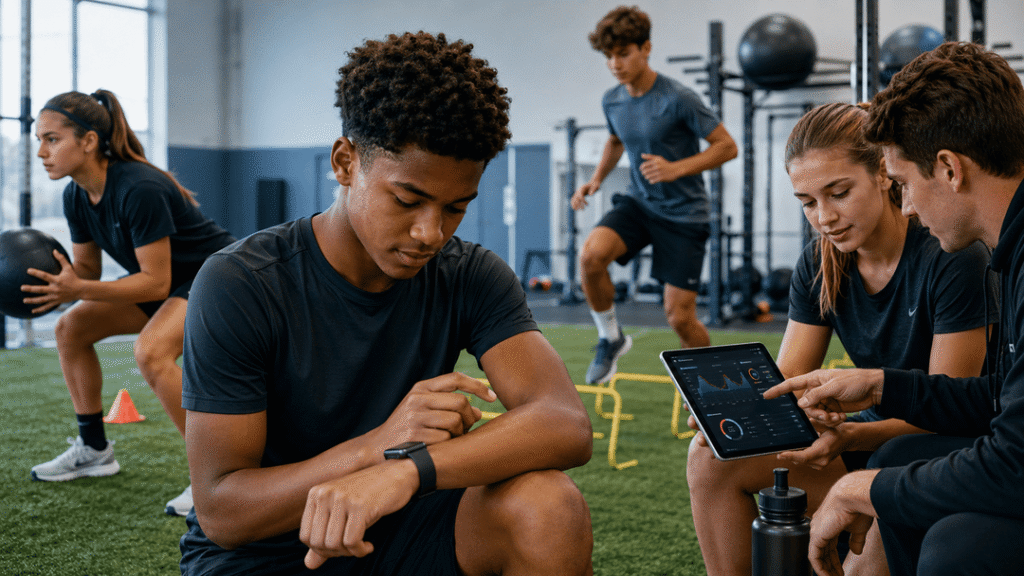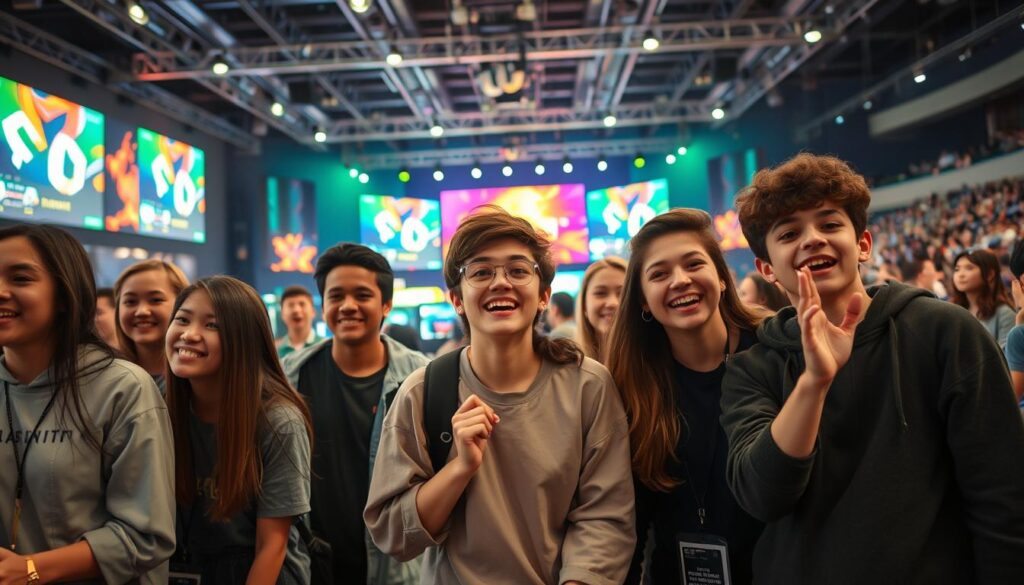
Let’s cut through the noise. Forget the cliché of the isolated gamer in a basement.
We’re talking about a global cultural force bigger than Hollywood and the music industry combined—a $179 billion behemoth. This isn’t just entertainment; it’s a new arena.
So, what’s really happening on these digital battlefields? It’s where strategy, teamwork, and quick thinking aren’t just rewarded; they’re required for survival.
Think of it as the modern-day equivalent of the chess club, the debate team, and the soccer field all booting up on the same server. It’s a digital dojo for life skills.
This is about preparation. It’s about building communities that forge resilient, socially-aware competitors. The game is just the beginning.
Why Esports Matter for Youth
The idea of gamers being alone is old news. Today, gaming is all about teamwork and fun. It’s where young people learn valuable skills for the future.
In Overwatch, it’s not just about shooting. It’s about working together and using resources wisely. Players learn to work as a team, just like in real-life projects. This teamwork is key for success in many areas.
Rainbow Six Siege teaches players to communicate clearly under pressure. Making the right call can mean the difference between winning and losing. This skill is essential for handling tough situations in life and work.
Research shows that gaming can improve problem-solving and spatial skills. But the biggest benefit might be for future careers. A huge 70% of students involved in esports show more interest in STEM fields. Gaming can lead to careers in coding, engineering, and more.
Esports communities are welcoming and inclusive. They help young people feel connected, even if they’re far apart. This is what makes gaming positive.
Schools are starting to see the value of esports. By adding esports programs in schools, they help students develop important skills. It’s a way to prepare them for the digital world.
So, why do esports matter? They matter because they offer more than just fun. They help young people become better communicators, strategists, and team players. The skills they learn are essential for the future.
Community-Building Features
Discord servers are more than chat rooms. They’re like the neighborhood clubhouse of today, filled with jokes and support. The real fun isn’t always in the game. It’s in the digital worlds players create around their favorite games.
Platforms like Discord and Reddit are more than apps. They’re like virtual study halls where strategies are discussed and support groups meet. They’re places where victories are celebrated worldwide. This isn’t just watching; it’s being part of a digital community.
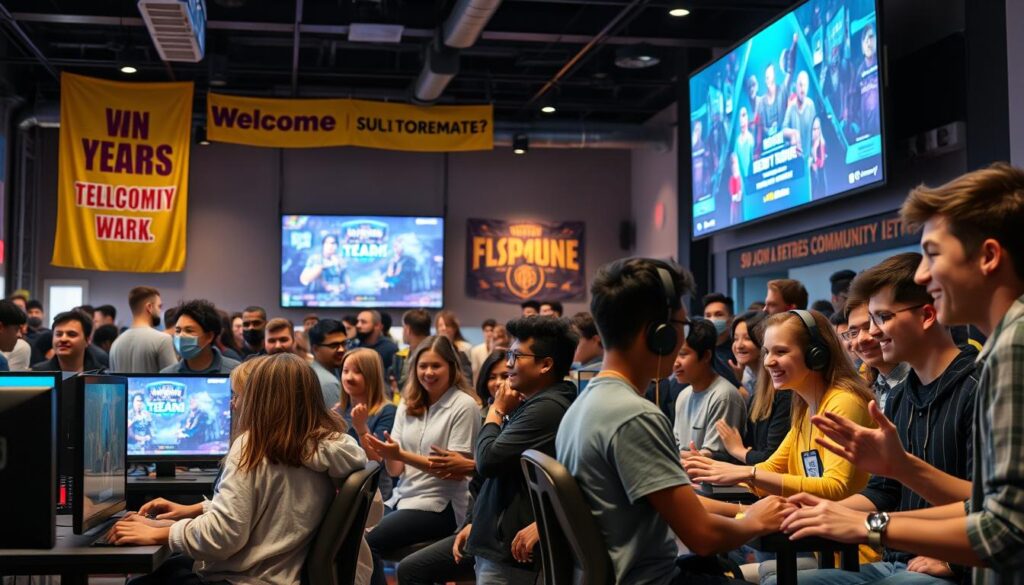
A team’s private Discord is like a locker room. A subreddit for a game is like a town square for millions. These spaces offer a sense of belonging without needing to be in the same place. You can find your tribe, no matter where you are, before breakfast.
During lockdowns, these spaces became essential. People found daily support on Valorant servers and help with schoolwork from guildmates. They weren’t just “online friends.” They were lifelines.
Research shows that esports communities offer three key things:
- Persistent Social Context: Servers create ongoing relationships.
- Shared Purpose: Working together in games builds strong bonds.
- Multi-format Interaction: Voice chat, text, and streaming add depth to social interactions.
This is where social impact esports really shines. It’s about noticing when someone is quiet and asking if they’re okay. It’s about organizing fundraisers for members in need. It’s about turning digital friendships into real-world support.
Reddit forums are places where veterans help newcomers. Discord voice channels are safe spaces for discussing everything. The line between “online” and “real” friendship disappears, and that’s the goal.
Good communities have rules, moderators, and shared values. They’re like micro-societies with their own cultures and traditions. This structure keeps them from chaos and turns them into support systems.
Consider the guild model. Guilds in esports offer training, social belonging, and identity. They show that social impact esports goes beyond the game itself.
These digital nations aren’t replacing physical ones; they’re adding to them. They offer connection for those isolated, anxious, or passionate about specific games. The platform is just a tool; the community is the real achievement.
When we talk about social impact esports, this community architecture is key. It turns competitive gaming into a shared experience. The games provide the setting, but the players build the world around it.
The result? A generation learning citizenship, empathy, and organization through digital societies. The controller is in their hands, but the community is in their hearts.
Good Sportsmanship Online
Toxicity in youth esports is a big problem. We need to tackle it head-on. The online world can be tough, but it doesn’t have to be. It’s all about design.
Creating a space where everyone can be kind is the challenge. How do we make sure everyone is respectful, even when they’re not face-to-face?
The old way was to just say “stop being toxic” and kick people out. But that’s like just covering up a leak. Now, we’re building systems that make being nice more rewarding.
First, we need the right tools. Game developers are now making systems to report problems. Players can flag issues like harassment and hate speech.
But tools alone aren’t enough. We also need community moderation. Players and moderators work together to keep things fair. It’s like a digital neighborhood watch.
But there’s more to it than just tools and rules. Education is key. Programs like GAKU and Metro Esports teach more than just gaming skills. They focus on digital citizenship.
They teach important skills like how to communicate well and handle losses. They also teach empathy. This helps players understand that everyone is just trying their best.
This approach changes the game. It’s not just about avoiding problems. It’s about actively promoting good behavior. Imagine systems that reward players for being helpful and positive.
Let’s look at the change:
| Aspect | Reactive Approach | Proactive System |
|---|---|---|
| Focus | Punishing toxic behavior after it happens. | Teaching and incentivizing positive behavior from the start. |
| Player Role | Potential victim or violator. | Accountable community member and skilled communicator. |
| Outcome | A less-bad environment. | A culture where competition and respect fuel each other. |
We’re not trying to make everything perfect. The fun of competition is part of the game. But we can make sure that respect and skill go hand in hand. We can create a place where everyone can shine, both in their gaming and in their character.
Case Stories: Esports for Anti-Bullying
Forget abstract benefits; the real power of gaming shows up in personal stories. Theory is nice, but it’s the human impact that really changes minds. Let’s explore how pixels can save people.
I talked to a woman named Alex, whose story changed my view. Her online guild in a popular MMO was her lifeline during a tough marriage. While her real life felt small and scary, her guildmates were always there for her.
They were her confidence boosters during late-night raids and her emotional support. When she decided to leave her abusive husband, a guildmate offered her a place to stay. Her gaming community didn’t just distract her; they gave her the courage to leave.
This isn’t just a nice story. It’s a lesson in digital empathy in action. Alex’s guild fought against bullying by isolation. They created a place where she felt valued and heard.
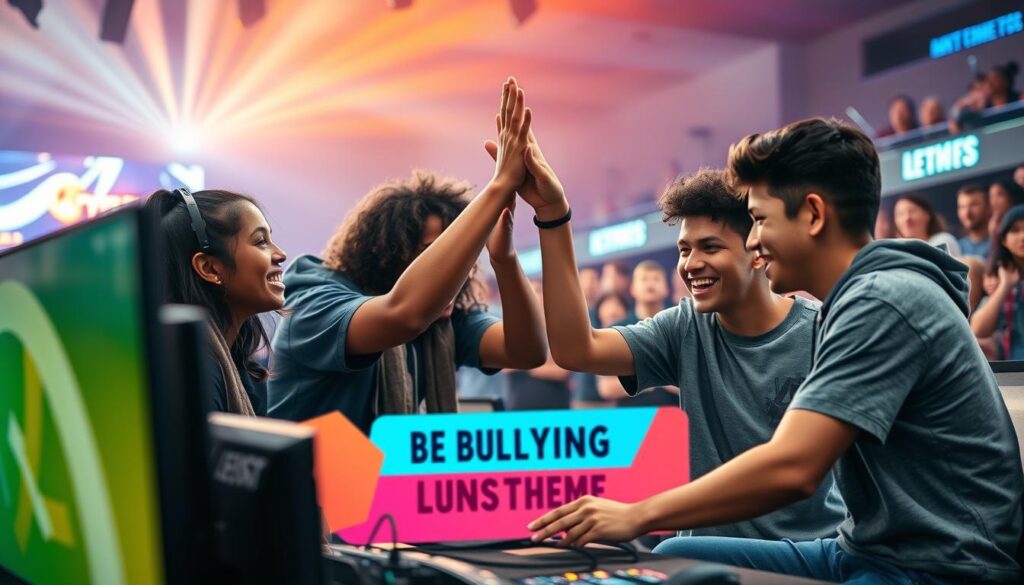
Now, let’s look at schools. Esports leagues are doing the same thing on a bigger scale. They create groups where everyone is valued, not just the popular kids.
These leagues teach important skills like communication and teamwork. They give kids a chance to be part of something bigger than themselves. It’s a way to fight against bullying by building strong social bonds.
These stories prove that the right digital community can be a safe haven. They show that games can connect people, not isolate them. The message is clear: building positive gaming cultures is key to creating a better world.
Tech Platforms that Support Culture
The secret to building a strong esports community is not just passionate players. It’s the platforms they use. These platforms are like digital urban planning. They help create a space where everyone can thrive.
Discord is like the town square for gamers. It’s not just about voice chat. It has features like server roles and moderation bots. These help create a safe space for everyone.
Modern games also play a big role. They use psychology to encourage good behavior. For example, giving virtual thumbs-ups for good sportsmanship. This makes players more likely to act kindly.
Behind the scenes, platforms and streaming tech amplify the community feeling. Twitch chats during tournaments are like shared experiences. They turn individual players into a collective “we.”
So, what do these platforms have in common?
- Structure over chaos: They provide clear frameworks for interaction instead of leaving everything to chance
- Positive reinforcement loops: They make good behavior rewarding through recognition systems
- Scalable intimacy: They maintain community feeling even as groups grow from dozens to thousands
- Transparent governance: Rules and moderation are visible, teaching digital accountability
Platforms like the one that pairs teams based on sportsmanship are key. They encourage ethical play. Streaming setups that highlight fundraising also play a big role. They show the social impact esports can have.
The best “playground monitor” in esports is well-designed code. Platforms that promote positive norms do the hard work of culture building. They make being a good citizen easy. This is where social impact esports really starts.
Best Practices
The real challenge isn’t recognizing esports’ value—it’s using it wisely. We move from watching to guiding. How do you create a positive, sustainable ecosystem for competitive gaming? You need a solid plan, not just good intentions.
Parents, it’s time to change your role: from “warden” to “coach.” Instead of watching, engage in conversations about Valorant. Learn what a “clutch play” is. It’s not about playing yourself—it’s about understanding your child’s passion.
Educators and organizers have their own roles. Your job is to embed youth esports in a holistic development framework. Look at GAKU, which links gaming to health and well-being. It’s about discipline and balance, not just winning.
Structured programs are key for a safe start. The YMCA’s camps or Metro Esports offer coached, moderated entry points. They teach rules, sportsmanship, and keep toxicity away. This builds confidence before online play.
Online conduct needs to be proactive, not just reacting. Set team codes of conduct from the start. Celebrate good sportsmanship as much as wins. Teach young athletes to report bad behavior as part of teamwork.
The best approach? Engage with esports wisely and respectfully. Create a safe space for creativity. The table below outlines a strategic plan for those involved in youth esports.
| Stakeholder | Core Mindset | Key Action |
|---|---|---|
| Parent/Guardian | The Engaged Coach | Learn the game’s basics; focus on strategy & teamwork discussions over screen time limits. |
| Educator/Organizer | The Holistic Architect | Integrate esports with life skills—nutrition, exercise, and mental wellness modules. |
| Program Director | The Safe Space Curator | Use structured programs (e.g., YMCA model) with clear codes of conduct and active moderation. |
| The Young Athlete | The Self-Regulated Competitor | Embrace team codes, use reporting tools, and value sportsmanship as much as skill. |
This isn’t about protecting gaming with bubble wrap. It’s about creating a structure for talent, discipline, and community to grow. Get the framework right, and youth esports becomes a powerhouse for positive development. Miss this step, and you’re just installing another game.
Resources and Networks
You don’t need to start from scratch for positive gaming communities. The blueprints are ready, and the construction is underway. This isn’t just a dream; it’s a collection of real programs and movements.
Think of this as your guide to thriving communities. We’ll show you the way. The map below highlights key players making a difference. From summer camps to varsity scholarships, the pipeline is being built.
- Grassroots & Community Hubs: Organizations like Rally Cry are on the front lines. They create spaces where gaming is at the heart of community. It’s about building a community, not just winning games.
- Educational Pioneers: Meet GAKU. They use esports to develop youth, focusing on important life skills. They create positive gaming curricula.
- The Institutional Framework: The Global Esports Federation (GEF) fights for esports worldwide. In the US, the National Association of Collegiate Esports (NACE) supports over 200 varsity programs. This means 200 chances for scholarships that teach sportsmanship.
- Your Local Entry Point: Now it gets real. Programs like Metro Esports at the YMCA are your starting point. They’re local, accessible, and show the mission is real.
The wheel is invented, and your role is to find your vehicle. Whether you’re a parent, teacher, or player, these networks help you plan. By engaging with these resources, you invest in social-emotional learning (SEL) skills that build positive mental resilience for the next generation.
Conclusion
The game has changed. Esports is more than just games and prizes. It’s a powerful tool for helping young people grow.
It’s not a quick fix, but it has great power. It creates places where everyone feels welcome and teaches important life skills.
Esports teaches teamwork through voice chat and fights bullying with games like League of Legends. Companies like Xbox Game Pass focus on building a positive community. These efforts are key, not just extras.
Don’t worry about who gets the most points. A new generation is learning to work together, lead, and be global citizens. Esports gives them a sense of belonging worldwide.
The true victory isn’t in winning games. It’s in building strong, supportive communities. In this battle, communities win, and isolation loses. That’s something to celebrate.