Where you look affects how well you do. This is true for top athletes and business leaders. Your eye movements are key to success.
Scientists use eye tracking to study this connection. It lets them see how we focus and make decisions. They track quick eye movements and how we use our vision.
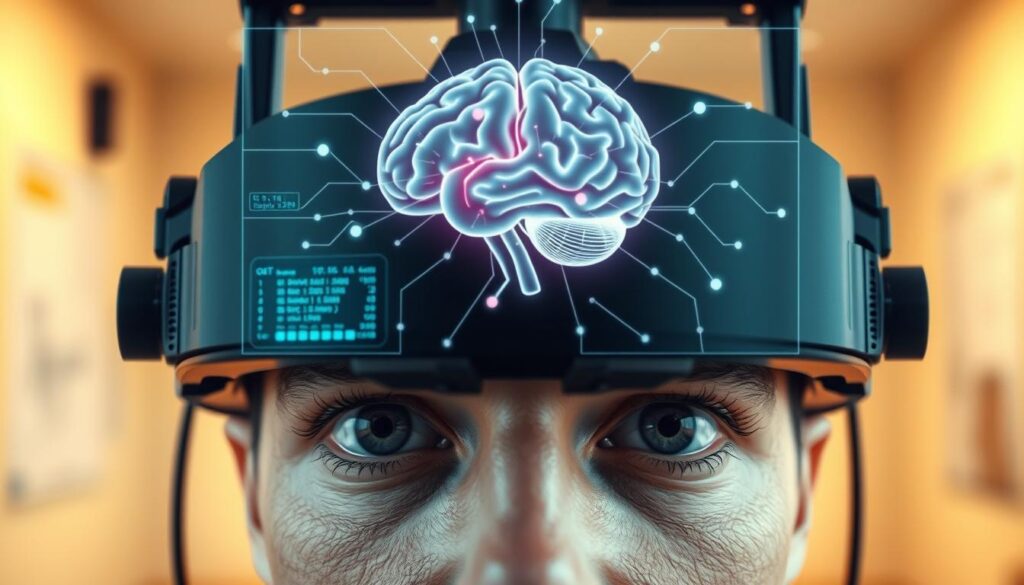
A big find is the Quiet Eye. It’s that calm, focused look before a big action. For athletes, it’s the moment before a free throw.
This isn’t just for sports. The Quiet Eye technique helps your brain stay sharp. It improves your ability to make quick, smart choices under pressure. It turns a quick glance into a big advantage.
Knowing how our eyes and brain work together is the first step to better performance. Let’s see how you can use this knowledge.
What “quiet eye” predicts in sport
In high-stakes environments, like baseball and golf, a performer’s quiet eye is key to success. This isn’t just a guess; it’s backed by science. Quiet eye metrics are seen as a strong biomarker of expertise and resilience.
It shows not just what experts do, but how they stay calm when it counts.
A study on baseball players found something interesting. It wasn’t just the steady focus on the ball that mattered. Success was linked to what happened right before that.
The study showed a clear connection:
- More dynamic visual shifts in fixation before the quiet eye period began.
- A higher season batting average as a direct result.
Elite hitters gather important info from the pitcher’s motion and release point. Their eyes are active and precise right before they focus. This pre-quiet eye activity is key to recognizing pitches well.
But, this top visual pattern is fragile under pressure. Golf-putting research shows how stress affects performance. When anxiety rises, two things happen to the quiet eye:
First, its duration drops sharply. The athlete’s focus becomes hasty. Second, stability is lost. The gaze becomes shaky and may leave the target too soon. This leads to missed putts and erratic play.
The beautiful and practical insight is that quiet eye training can help. By practicing a long, stable focus under pressure, golfers can build resilience. They learn to keep their gaze steady, which improves their performance.
The main lesson for professionals is deep. Success isn’t just about what you look at. It’s about the quality and stability of your focus, even when stressed. A calm, long quiet eye period means accuracy and poise. A short, disrupted one means errors.
This idea applies beyond sports to business. Whether it’s a big presentation, a negotiation, or analyzing data, your focus quality matters. This is why gaze training is so important.
Hardware: wearables vs webcam; costs/limits
Starting your gaze analysis journey means choosing between wearable trackers and a webcam. This choice affects your data quality, budget, and learning opportunities. Both options let you see how athletes use their eyes, but in different ways.
Hardware: Wearables vs Webcam
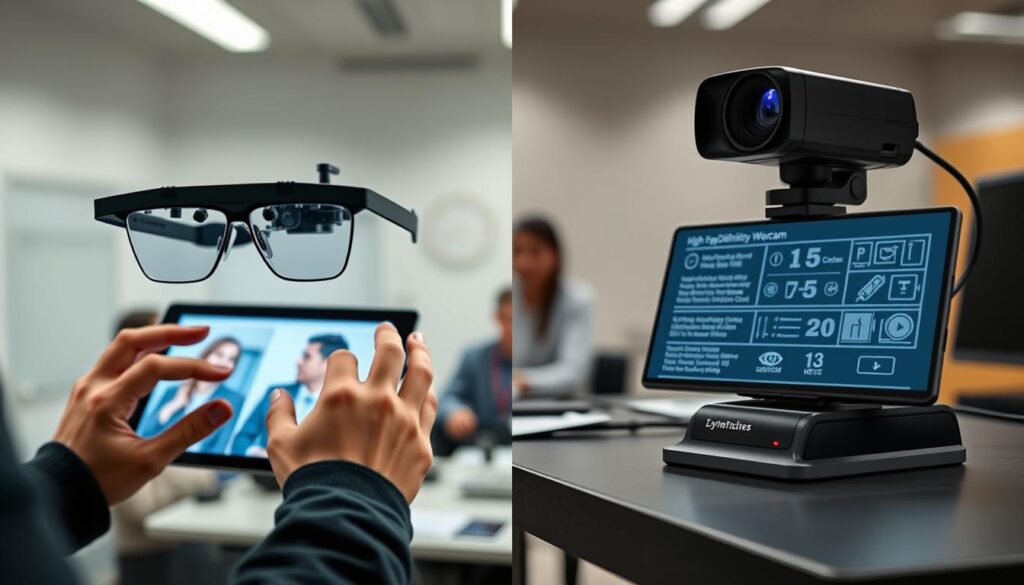
Wearable eye trackers, like the Tobii Pro Glasses 3, are top-notch. They’ve helped researchers study athletes in real settings. For example, they’ve tracked baseball players and trained golfers in real environments.
These devices track eye movements with high precision. They catch quick saccades and steady looks as athletes move around. This is key for studying the quiet eye in real-world settings.
Webcam tracking uses software to guess where someone is looking. It’s easy to start with and doesn’t cost much. You can quickly begin analyzing basic eye movements.
But, it has big drawbacks. It’s not as accurate as special hardware. Things like lighting, head position, and camera quality can mess up the results. For detailed saccades analysis in sports, a webcam might not be enough.
| Feature | Wearable Eye Trackers | Webcam Tracking |
|---|---|---|
| Primary Use | High-fidelity research & in-field training | Basic fixation analysis & introductory training |
| Data Quality | High accuracy for saccades and fixations | Moderate to low; coarse gaze paths |
| Environment | Fully mobile, real-world | Stationary, desk-bound |
| Ease of Use | Requires calibration and setup | Plug-and-play simplicity |
Costs/Limits
Cost is a big difference. Wearable systems cost thousands, making them hard for most athletes and small teams to afford.
They need careful setup and can be a bit intrusive. Webcam tracking, on the other hand, is almost free if you have a computer.
The trade-off is in what you can do. The cheap option has limits, like not being good at measuring saccades well. For serious research, scientists often use lab-grade wearables. This is shown in studies on eye-tracking methodology.
Your choice depends on what you want to achieve. Wearables are great for detailed quiet eye training. Webcams are a good, easy way to start understanding eye behavior.
Drills: occlusion reads, keeper gaze, pitch recognition timing
Athletes can develop a top-notch visual search strategy with three key drills. These exercises help the brain handle important info under pressure. They are key for sharpening a competitor’s visual skills.
Good training often adds challenges. This makes the brain work smarter. It’s like NeuroTracker’s training, improving focus and awareness under stress.
Occlusion Reads improve anticipation and decision-making based on memory. A coach or partner briefly hides a visual cue at a key moment. For example, they might block the view of a ball in flight just after it’s kicked.
The athlete must then guess where the ball will go. This drill stops the usual visual feedback. It helps the brain use early signs and past knowledge to predict outcomes.
Keeper Gaze drills focus on reading an opponent’s intentions. In soccer, it’s about watching a goalkeeper’s eye and head before a penalty. In tennis, it’s about noticing a server’s shoulders and gaze direction.
The aim is to learn which body language cues are most telling. Athletes practice spotting these cues fast. This turns an opponent’s natural signals into a strategic edge.
Pitch Recognition Timing is about quick and accurate scene analysis. An athlete scans a busy field or court to spot the most important cue. Is it an open teammate’s position or an opponent’s stance?
Training involves exercises that demand fast pattern recognition. This boosts the visual search process. Faster recognition means more time for decision-making and action.
| Drill | Primary Training Goal | Key Practice Tip |
|---|---|---|
| Occlusion Reads | Enhance predictive anticipation and memory recall. | Use a shutter or hand to block vision for 100-200 milliseconds at the critical moment. |
| Keeper Gaze | Improve decoding of opponent intent from subtle cues. | Film opponents and review in slow motion to identify consistent “tell” movements. |
| Pitch Recognition Timing | Speed up identification of the most relevant cue in chaos. | Use video clips with a timer, asking “What is the decisive cue?” in under one second. |
These drills lay the groundwork for a strong Quiet Eye. Occlusion drills sharpen prediction. Keeper gaze training refines opponent analysis. Pitch recognition speeds up cue spotting.
This integrated approach trains the eyes and brain to work together efficiently. The outcome is a calmer, longer, and more productive final fixation before action.
Low‑cost setup: phone + markers; measure fixations
You don’t need expensive lab equipment to study gaze patterns. A simple smartphone and some household items can get you started. This hands-on method makes the technology easy to understand.
Start with a smartphone on a tripod for a clear view of the subject. Try tasks like basketball free throws or tennis serves. Record where the eyes look before and during the action.
To track gaze, add reference points to the video. You can use physical markers or digital overlays. Each method works best for different gaze training needs.
| Marker Type | How to Implement | Best For |
|---|---|---|
| Physical Markers | Place small, high-contrast stickers or objects on key targets (e.g., hoop rim, ball). | Real-world, in-situ practice where you review raw footage immediately. |
| Digital Overlays | Use free video editing software to add shapes, lines, or points in post-production. | Detailed analysis where you need precise, frame-accurate alignment. |
| Hybrid Approach | Use a physical marker for initial alignment, then add digital guides for finer measurement. | Balancing ease of recording with the need for detailed spatial analysis. |
After recording and marking your video, the real work starts. You’ll code fixation points and durations by reviewing the footage frame-by-frame.
- Playback and Pause: Load the video into any player that allows frame-by-frame advance (most built-in phone editors do this). Watch the subject’s head and eye movements closely.
- Identify the Gaze Vector: Note where the subject is looking. Use the bridge of the nose or the center of the glasses as a proxy for the gaze direction aligning with your markers.
- Mark Fixation Start: The moment the gaze stabilizes on a specific target, note the video timestamp. This is the fixation onset.
- Measure Duration: Count how many frames or seconds the gaze remains locked on that target before moving. This duration is a key metric in gaze training.
- Record the End: The instant the eyes begin to move to a new location marks the end of that fixation. The period of stable focus you just measured is your manual approximation of a quiet eye period.
This DIY analysis reveals key patterns. You’ll see if gaze is steady or jumpy, and for how long it focuses on a critical target before action. It gives a basic understanding of an athlete’s visual behavior. This hands-on analysis is a powerful first step in understanding an athlete’s data’s influence on amateur sports.
Empowering yourself with this low-cost approach breaks down barriers. It turns an abstract concept into a skill you can observe and improve. You get direct insight into the visual part of performance, setting the stage for more focused gaze training.
Integrate into routines; fatigue checks
Improving your visual skills needs two main things: making it a habit and watching for signs of tiredness. While short drills can help, lasting results come from making them a regular part of your training.
Start your practice with a short, focused drill. For example, spend five minutes on a “Quiet Eye drill” before you play or practice. This not only sharpens your focus but also helps manage stress and keeps your eye movements steady.
Tools like NeuroTracker work well because they’re part of your weekly routine, not just occasional use.
But, don’t let your brain get too tired. When it is, your eye movements get worse. This means your saccades (quick eye movements) and visual search skills suffer. Training when you’re tired can make things worse, not better.
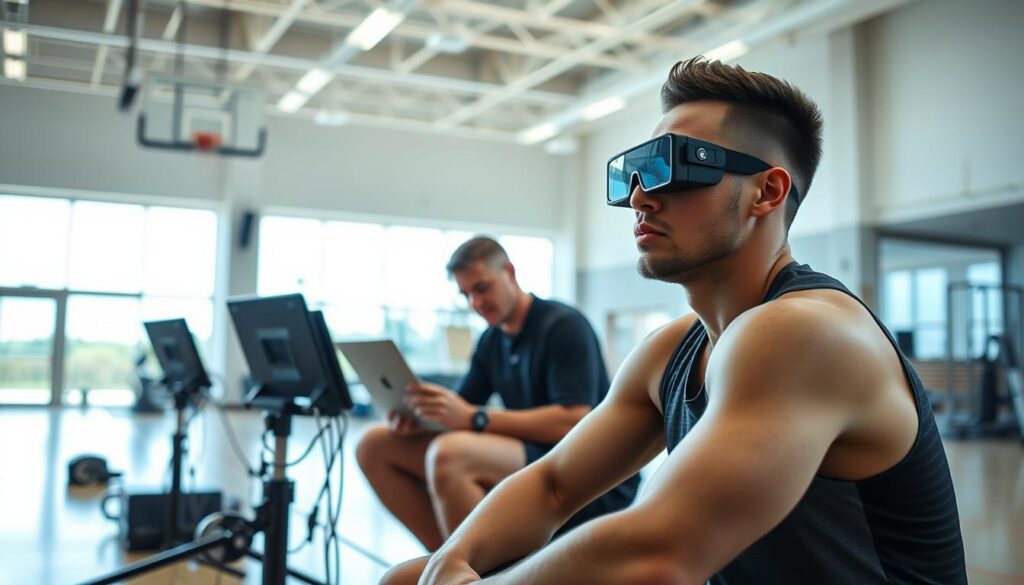
That’s why doing “fatigue checks” is so important. Start and end your training with a simple visual task. This could be a short app game or a quick reaction test. It’s not about being the best, but about staying consistent.
If your performance drops at the end, it’s a sign you’re too tired. This tells you it’s time to stop or switch to something easier. It keeps your visual search and focus skills sharp.
The key takeaway is: consistency and mindful integration trump duration. A focused five-minute drill is more valuable than a long, distracted session. By making gaze training a habit and listening to your body, you’ll see real, lasting improvements.
Consent and privacy for video
Eye-tracking technology, like webcam tracking, comes with big ethical duties. You must get clear consent from anyone you record. Explain how the video will be used, where data is stored, and who can see it.
Recording a wearer’s field of view can raise privacy concerns. Sensitive info or others might be caught on camera. It’s key to anonymize, like blurring faces. Using occlusion drills to block parts of the video can also protect privacy.
Eye-tracking data is considered personal under laws like the GDPR. A study found even gaze patterns can reveal a person’s identity. Only collect what you need and be open about how you process data to gain trust.
Handling ethics isn’t just about following laws. It’s the base for effective and trusted training. Use these insights with respect for everyone’s privacy.