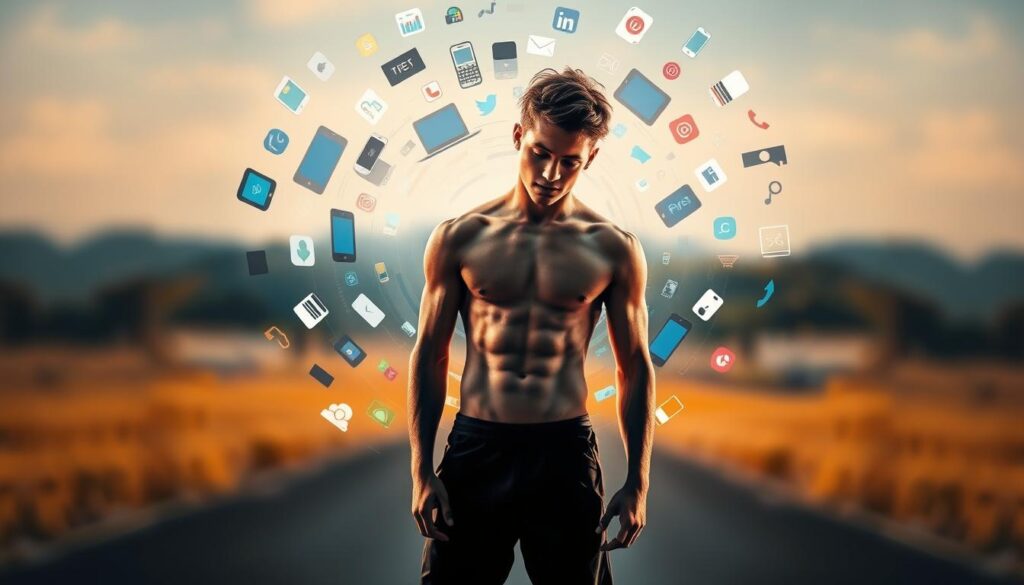
Imagine your phone buzzing with a TikTok alert. You open it to see athletes doing handstand pushups and influencers promoting waist trainers. Suddenly, your protein shake after practice feels like a letdown. This is a common feeling, and you’re not alone.
40% of teens now feel anxious about their bodies because of social media, Ballard Brief research shows. For athletes, the digital world can warp reality even faster than Loki’s tricks.
But tech isn’t all bad. That Nike Training Club app tracking your workouts? It’s like a Tony Stark arc reactor for fitness, empowering yet addictive. Wearable tech for young athletes tracks everything from heart rate to sleep, creating a cycle of validation.
But there’s a big concern: kids getting their first phone at 12-13 face higher risks of body dysmorphia. Are we giving them superhero tools or radioactive spiders? The line between using tech for good and harm is thin, like Quicksilver’s speed.
This isn’t about deleting Instagram or smashing smartwatches. It’s about understanding why online comparison affects athletes more than a linebacker. And how tech for mental health can protect us. Are you ready to strengthen your digital defenses?
How Social Media Shapes Athlete Self-Image
Athletes face a new challenge: the digital world. Every post is a mirror and a weapon. A college linebacker might get harsh comments about his physique.
This turns fitspiration content into digital bullying. Studies show a 37% drop in self-esteem among athletes seeing these perfect bodies. Gymnasts might even Photoshop their muscles to look like marble.
Esports streamers show off unrealistic physiques, setting high standards for athletes. Why lift heavy when your online avatar has huge muscles? This digital recruitment for athletes mindset makes athletes focus more on their online image than real achievements.
They now create highlight reels with perfect lighting and #GRIND hashtags. It’s all about looking good online.
- Impeccable lighting on deltoids
- #GRIND hashtags in 3+ languages
- AI-enhanced slow-mo shots
Snapchat dysmorphia shows the darker side. Athletes want to look like their filtered selfies. Volleyball players feel bad about their bodies when they see perfect influencers.
The comments section has become a source of performance anxiety. It’s like free advice, but not always helpful.
| Traditional Metrics | Digital Era Metrics |
|---|---|
| 40-yard dash time | Instagram engagement rate |
| Vertical jump height | TikTok follower growth |
| Bench press max | Snapchat filter consistency |
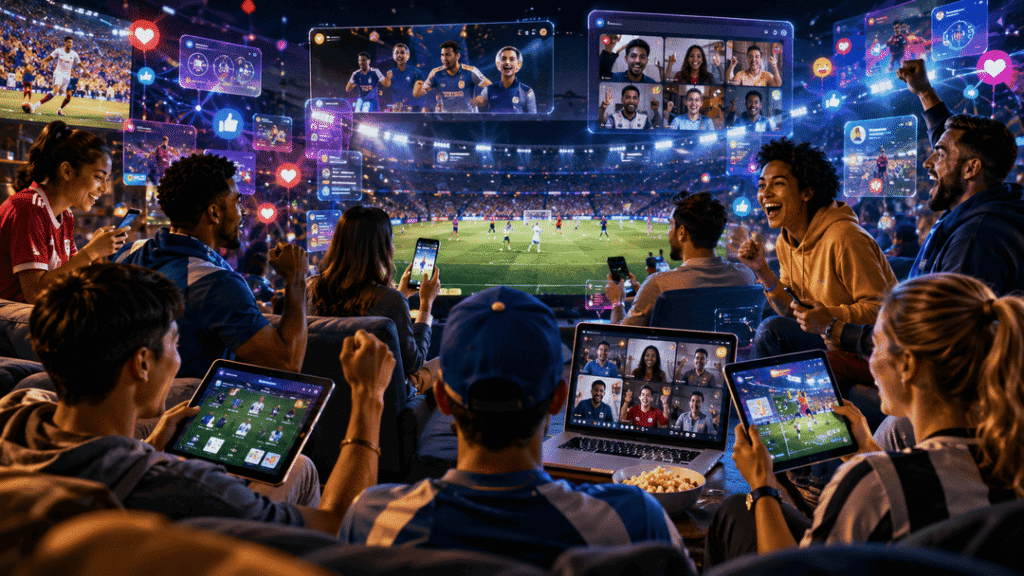
Recruiters now look at esport skills for athletes too. They check if athletes can grow their followers and if they’re relatable online. It’s all about being popular on social media.
But editing bodies like Photoshop can harm performance. A gymnast might ignore important drills. A linebacker might skip recovery time to hide his body.
When athletes focus too much on their digital image, they suffer. The athletic body image and tech battle can hurt even the best athletes.
Dangers of Comparison (Instagram vs. Reality)
Ever feel like scrolling through fitness influencers’ feeds is like the Hunger Games? Instead of arrows and berries, we’re battling six-pack selfies and “morning routine” reels. That post-workout glow? Often 30% sweat, 70% ring light.

The numbers don’t lie: 71% of athletes report body dissatisfaction after viewing “ideal” images. Indian gymnasts face even steeper odds – 77.6% develop image issues by age 16. But here’s the kicker: your fitness tracker might be gaslighting you.
| Metric | Instagram Fantasy | Real-World Reality |
|---|---|---|
| Daily Workout Duration | 2.5 hours (curated clips) | 45 mins (actual avg) |
| Body Fat % Claims | 6% (filtered) | 12-15% (healthy range) |
| Recovery Time | “Never skip a day” | 2 rest days/week recommended |
Strava leaderboards have become digital coliseums where athletes overtrain to chase arbitrary badges. That “Close Your Rings” notification? It’s the participation trophy of self-harm, ignoring sleep quality and hormonal cycles.
Enter mindfulness tech – the Jedi mind trick for the comparison epidemic. New wearables now measure:
- Stress biomarkers (not just steps)
- Recovery readiness scores
- Real-time body neutrality prompts
The ethical dilemma? Self-tracking data ethics require us to ask: Who profits when we hate our reflection? Smart algorithms should build resilience, not reinforce unrealistic beauty standards. Next time your feed serves “perfection”, remember – even marble statues crack under pressure.
Tech Tools for Body Positivity
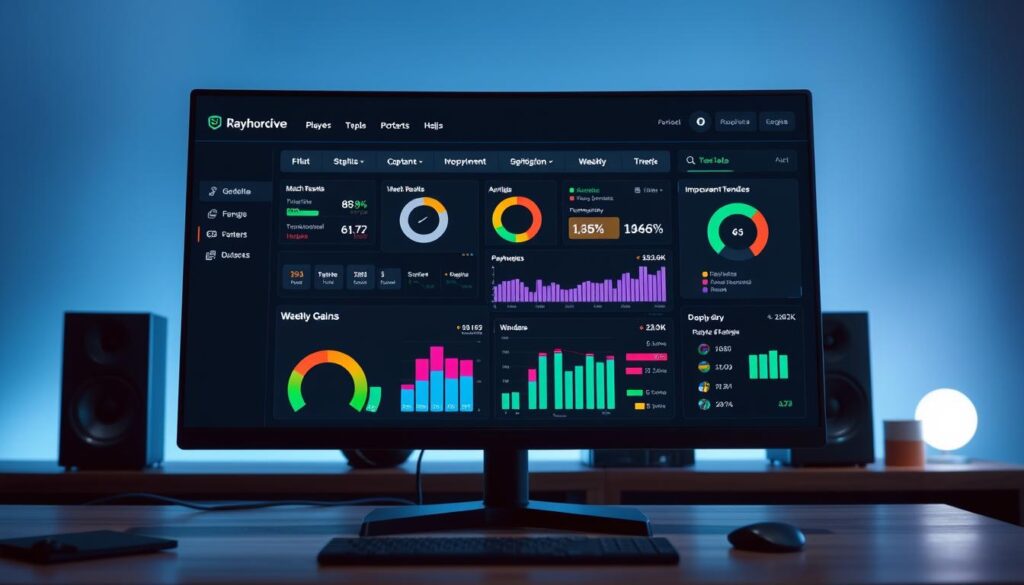
Imagine if Tony Stark designed gym shorts. Today’s wearable tech is more than just counting steps. It’s changing how young athletes see their bodies. Devices analyze sweat like sommeliers taste wine, giving empowerment stats sharp as TikTok roasts.
Wearable Tech That Builds Confidence
Your wristwatch is now like the Yoda of workout gear. The WHOOP strap tracks recovery so well, it knows when you need rest before your mom texts. It’s like a life coach for your wrist, showing why that 3 PM slump is so tough.
Apps now make sports analytics fun like Fortnite. They break down your tennis serve or free throw in simple terms. Now, every kid has insights like Moneyball, without needing Brad Pitt.
Biofeedback Devices for Mind-Muscle Connection
Remember the scene in The Matrix where Neo “sees” the code? Biofeedback tech does the same thing, creating a mind-muscle connection through real-time data. Ballard Brief’s CBT research shows devices can mimic therapy, vibrating when your heart rate spikes. It trains composure like digital meditation gurus.
| Device | Best For | Key Feature | Why It Works |
|---|---|---|---|
| WHOOP 4.0 | Recovery Tracking | Strain Coach | Prevents burnout better than a helicopter parent |
| Fitbit Luxe | Sleep Analysis | SPO2 Monitoring | Spots breathing issues faster than cafeteria gossip |
| HomeCourt App | Beginner Analytics | Shot Tracking | Makes physics class relevant to jump shots |
These gadgets aren’t just accessories. They’re remote skill coaching sidekicks. One soccer player said her WHOOP changed her recovery more than her coach’s pep talks. “Now I nap like it’s my part-time job,” she laughed, “and my goals per game doubled.”
Resources & Counseling Apps
Today’s athletes spend a lot of time on their phones. They scroll as much as they run. With teens using social media for 5.8 hours/day, phones have become more than just distractions. They serve as therapists, recruiters, and fans.
Counseling apps offer help that’s as intense as a Barry Bonds home run. They combine esport skills for athletes with advanced biofeedback technology. This tech is as sharp as Michael Jordan’s famous shot.
When Your Playbook Needs a Software Update
Platforms like BetterHelp team up with athletes to show digital therapy’s value. These apps help with performance anxiety in several ways:
- VR exposure therapy simulates hostile crowds
- Biofeedback wearables track stress during drills
- AI-driven NIL portfolio builders boost online presence
ChatGPT vs. Coach Carter: Who Calls the Plays?
AI coaching tools analyze game footage quickly. But do they understand the pressure of big moments? Let’s look at the facts:
| Feature | AI Coaches (Woebot, Mindstrong) | Human Coaches (Talkspace, BetterHelp) |
|---|---|---|
| Availability | 24/7 instant feedback | Scheduled sessions |
| Personalization | Algorithmic pattern recognition | Emotional nuance detection |
| Cost | $20-$50/month | $80-$150/session |
Use AI for skill drills and humans for emotional support. When building an online portfolio for student athletes, remember. Recruiters check digital footprints fast. Make yours strong.
Real Stories from Young Athletes
Imagine scrolling through TikTok and seeing a D1 recruit’s “perfect” training montage. But these aren’t just inspirational posters. They’re survival guides written in sweat and screen glare. Let’s explore how digital recruitment for athletes meets identity crises head-on.
Track Star’s Battle With Instagram Filters
Taylor Whitmer’s 10k personal best? 34:15. Her time editing race photos? “Embarrassingly close.” The University of Maryland runner found her online athletic identity became a digital corset. “I’d smooth muscle definition to look ‘feminine’ between posts about weightlifting PRs.”
Her wake-up call? NCAA data shows 35% of female athletes report disordered eating. This stat hits harder when your reflection becomes a content strategy.
Whitmer’s solution wasn’t quitting socials – she weaponized them. Through targeted digital therapy sessions, she rebuilt her feed as a bullshit-free zone. Result? A 12-second PR and sponsorships that value grit over gloss.
eSports Pro’s Muscle Dysmorphia Journey
Now meet the arena where six-packs don’t matter – until they suddenly do. 19-year-old Fortnite phenom Carlos “C4RL05” Ruiz developed bicep anxiety despite his $250k earnings. “Stream chat called me ‘Keyboard Arms’ until I skipped practice for the gym,” he admits.
Ditch the Label’s 2023 report reveals 43% of gamers face body-shaming. Cyberbullying’s ugly cousin that follows you offline.
Ruiz’s salvation came through tech for remote skill coaching that blended physiotherapy with mental health check-ins. His org now uses motion-capture avatars during scrims – think Avatar meets weight training. This proves esport skills for athletes now require emotional armor.
| Pressure Type | Traditional Athletes | eSports Athletes | Shared Solutions |
|---|---|---|---|
| Body Standards | 62% report diet manipulation | 41% experience muscle dysmorphia | AI posture analysis tools |
| Social Media | 28% post edited training videos | 33% alter streaming angles | Content authenticity plugins |
| Recruitment | Digital scouting profiles | Twitch analytics dashboards | Unified athlete platforms |
These stories reveal a brutal truth: your online athletic identity isn’t just a profile – it’s a battleground. But as Ruiz told me mid-match: “Nobody wins by playing other people’s meta.” Time to respawn the rules.
Creating Healthy Habits Online
Your smartphone is more addictive than Pixy Stix – 90% of teens have one by 16 (Ballard Brief). But most haven’t learned to control its addictive nature. Let’s create digital habits that help you reach your goals, even better than a $300/hour life coach.
Digital Detox Strategies That Stick
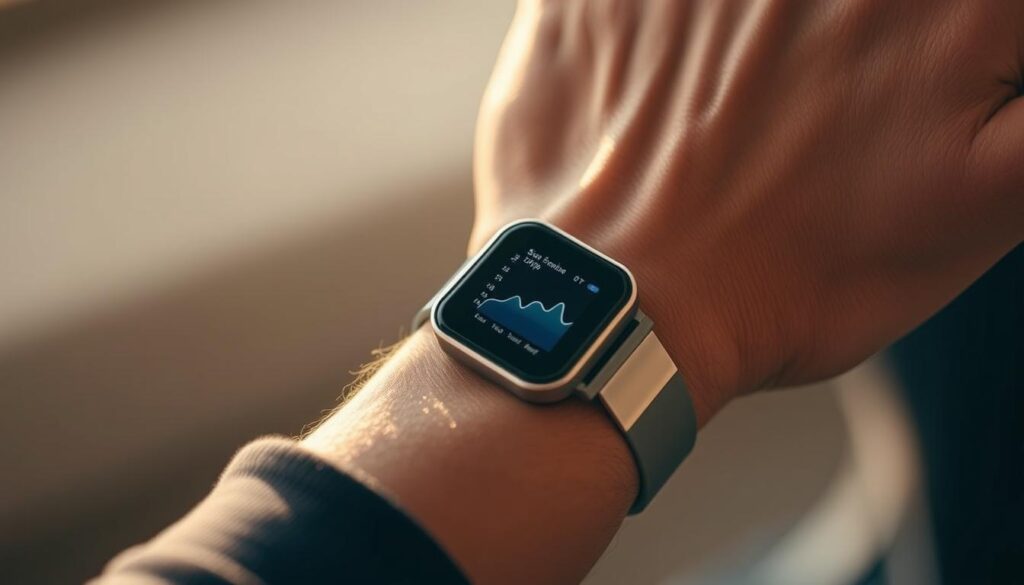
Forget willpower – think app jailbreaks. The Freedom app (used by 1.2M productivity nerds) blocks distractions like Tom Brady intercepting passes. Pair it with athlete sleep tracking tech for a better wind-down routine. Your Whoop band isn’t just counting Z’s – it’s your digital bouncer kicking out late-night TikTok raves.
| Detox Tactic | Effectiveness | Best For |
|---|---|---|
| Scheduled Grayscale Mode | Reduces screen time by 38% | Instagram doomscrollers |
| App Timer Roulette | Limits usage to 15-45 random mins/day | Fortnite fiends |
| Bio-Synced Blockers | Locks apps when stress levels rise | Competitive gamers |
Algorithm Hacks for Positive Feeds
Your Explore page shouldn’t look like Black Mirror fan fiction. Try these Neo-in-the-Matrix moves:
- Search “confidence drills” 3x – watch algorithms pivot faster than a point guard
- Mute #Fitspo accounts showing impossible angles
- Follow adaptive athletes – their content’s more real than a pickup game at the Y
Pro Tip: Chrome’s digital time management tools like UnTroll can block toxic comments faster than you can say “screen recording.” Because let’s face it – anonymous haters have weaker mental game than a tee-ball lineup.
Remember: Self-tracking data ethics matter. That sleep tracker knows more about your REM cycles than your mom does. Choose wearable tech for youth with transparent data policies – Fitbit’s teen controls make CIA protocols look lax.
Key Takeaways
Your phone isn’t the problem; it’s a tool you’ve been using wrong. 40% of young athletes feel like they can’t live up to what they see on TikTok. But, using tech for mental health isn’t about deleting social media. It’s about using tools like WHOOP straps to track recovery, not just likes.
Mindfulness apps for athletes are like game tapes for your mind. Apps like Calm and Headspace offer tools as effective as therapy. Think of your social media as a personal highlight reel, not a strict rulebook.
Simone Biles won seven Olympic medals by focusing on her mental game, not comparing herself to others. Treat social media like a challenging routine. Post your achievements like you’re in your own movie, not someone else’s.
When Instagram says you should look like someone else, use tech that tracks your heart rate instead. Your phone is a tool, not a judge. Now, use that unfollow button like it’s a powerful move.