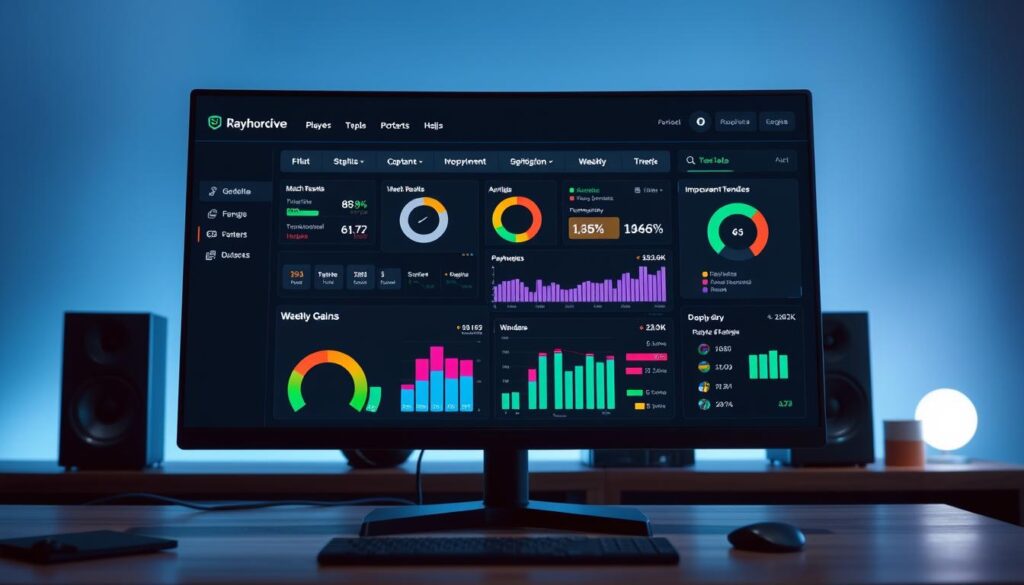
Remember when coaches relied on gut instincts and weathered notebooks? Today, locker rooms are like Mission Control. Algorithms draft plays and sensors track everything, from your speed to how fast you blink. The fundamentals of data-driven coaching have turned every move into a math problem.
Billy Beane’s Moneyball revolution wasn’t just about baseball. It showed how hyper-competitive margins depend on tiny details. Teams now hire math experts to analyze everything, from sleep cycles to game strategies. Your Apple Watch can tell when you’re tired before you do.
This isn’t science fiction. It’s how teams win championships and fantasy players win office pools. Wearable tech tracks muscle fatigue, algorithms analyze referee biases, and draft picks are optimized like Tesla’s assembly line. The real MVP? A spreadsheet.
Whether you’re a casual fan or a front-office strategist, knowing sports analytics basics is key. And trust me, R2-D2’s play-calling skills are sharper than you think.
What is Sports Analytics?
Imagine Yoda coaching the Yankees. Sports analytics isn’t about replacing gut feelings with spreadsheets. It’s about turning “I’ve got a bad feeling about this” into real probabilities. This field has grown from Moneyball to algorithms smarter than Sherlock Holmes, all while balancing innovation and ethics.

Definition
Sports analytics turns sweat into data points. Remember when the Oakland A’s used on-base percentage like a Jedi mind trick? They simplified baseball to its essence: get on base or don’t. Now, teams track everything from a quarterback’s throwing arc to how many times LeBron scratches his elbow during timeouts.
Importance in Modern Sports
The English Premier League now predicts muscle strains better than your iPhone guesses your next text. Sensors in player jerseys create sports data visualization so detailed, coaches can spot fatigue patterns that’d make a NASA engineer blush. But here’s the rub: when does monitoring sleep patterns become corporate espionage on athletes’ dreams?
We’re not just optimizing free throws anymore. The applications of sports analytics now influence contract negotiations, fan experience designs, and even stadium beer prices. Yet every GPS tracker planted in a cleat whispers an ethical question – are we building better athletes or creating the sports version of Black Mirror?
How Data is Collected
Remember when coaches relied on gut feelings and handwritten notes? Those days are gone. Today, sports analytics is like a Marvel movie tech lab. It uses AI and supercomputers to turn locker rooms into NASA mission control.
Tools and Technologies
Modern athletes wear more than uniforms. They wear data centers. The Golden State Warriors players wear Catapult Sports vests with 16 sensors. These track vertical leaps and high-fives, collecting 1,000 data points per second.
Three game-changers are leading the field:
- Biometric trackers: Whoop bands measure recovery rates better than Fitbits
- Smart courts: Hawk-Eye’s tennis tech now tracks basketball shots
- AI video analysis: Second Spectrum’s cameras track player movements like The Matrix
Data Sources
Sports data comes from unexpected places. Pro cycling teams like Ineos Grenadiers use:
| Source | Data Type | Real-World Impact |
|---|---|---|
| Drones | Aerial race footage | Identified 12% faster cornering lines |
| Blockchain ledgers | Tamper-proof scouting reports | Reduced rookie evaluation errors by 34% |
| Stadium Wi-Fi | Fan movement patterns | Boosted concession sales by $8M/season |
Cloud platforms like AWS store more sports data than Miami Beach sand. Teams analyze 80+ hours of video per game using machine learning. Watching LeBron’s crossover in slow-mo 500 times isn’t enough.
Real-World Applications
Tom Brady’s avocado ice cream habits and your fantasy football chats share a secret. They show how sports analytics has changed the game. It’s now about data, not just sweat and skill. Let’s see how numbers are making coaches and fans into statistical warlords.
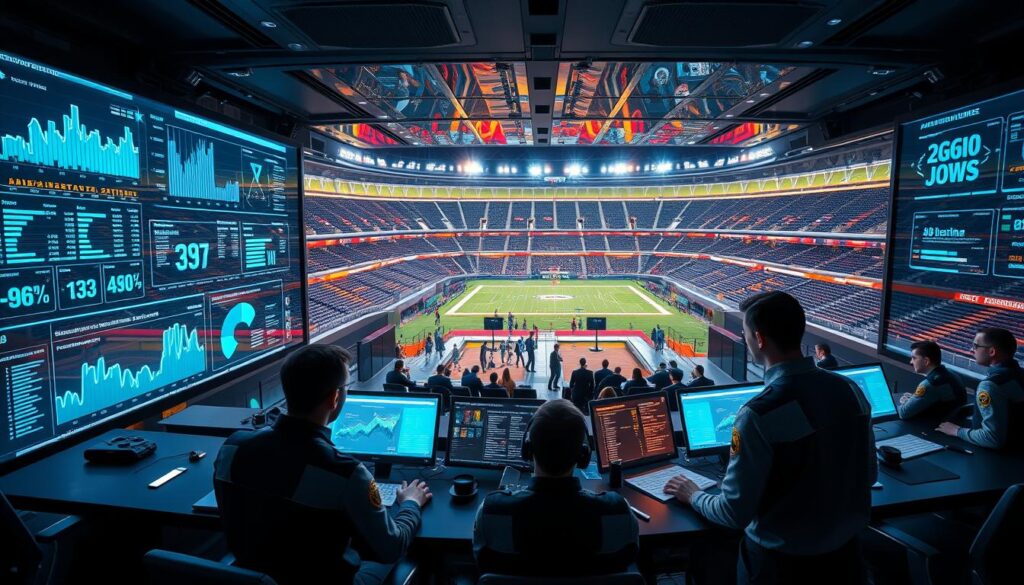
Use Cases in Various Sports
Analytics in baseball has grown beyond Moneyball. Today, teams use algorithms to predict hits. It’s like they’re playing a high-stakes game of blackjack.
The Golden State Warriors use NBA shot charts like art. They track data to find defensive weaknesses. It’s all about using numbers to outsmart opponents.
In eSports, analysts watch APM (actions per minute) like stock traders. A DIII volleyball team even used earthquake models to beat rivals. It’s all about finding new ways to win.
Impact on Player and Team Performance
AI is changing how teams play. It’s not just about the playbook anymore. Now, it’s about the right nutrition and training.
Virtual reality lets quarterbacks practice without risk. It’s a way to improve skills without the danger of real games.
| Sport | Technology | Performance Boost |
|---|---|---|
| Basketball | Shot trajectory AI | +12% 3pt accuracy |
| E-Sports | APM tracking software | 19% faster reaction times |
| Soccer | Biometric wearables | 27% less muscle fatigue |
Fantasy leagues are now data gladiator arenas. They use machine learning to find hidden gems. It’s a game where knowledge beats experience.
Getting Started in Sports Analytics
Think your hot takes about zone defenses could translate to a paycheck? The field of sports analytics wants thinkers who see spreadsheets as strategic weapons. It’s not just about memorizing Sabermetrics – it’s where machine learning meets Monday Night Football.
Skills That Outrun Recruiters
Forget bench presses. Python and R are the new combine drills. SQL query skills matter more than 40-yard dash times when you’re tracking player load management systems like Catapult Sports’ athlete monitoring platform. Basic stats knowledge helps, but the real magic happens when you can explain expected goals models to coaches who draw plays on napkins.
Learn While the Ball’s in Flight
Educational pathways in sports analytics now blend academia with real-world grit. Coursera’s “Sports Performance Analytics” course uses FC Barcelona case studies, while Udacity’s nanodegree programs teach Python applications for player tracking data. Want sustainability in sports tech? Study how STATS Perform uses solar-powered sensors to help rural high schools collect stats without draining local power grids.
The career opportunities in sports and technology extend beyond pro leagues. Youth organizations need data-driven volunteer opportunities for amateur athlete development. Beer league softball tournaments now use SwingTracker sensors – your weekend hobby could become a portfolio piece. Just ask the Milwaukee Brewers’ analytics team, who famously recruited a blackjack dealer turned SQL wizard.
Ready to trade your couch for a clipboard? Start with Kaggle’s sports prediction competitions or local teams needing free data help. Remember: Every LeBron started with a layup. Your first pivot table might be the assist that changes the game.