Imagine LeBron James’ 2003 rookie training with VHS tapes and sweaty gyms. Now, prospects step into their idols’ shoes with headsets. Stanford researchers found athletes reacted 30% faster with virtual simulators.
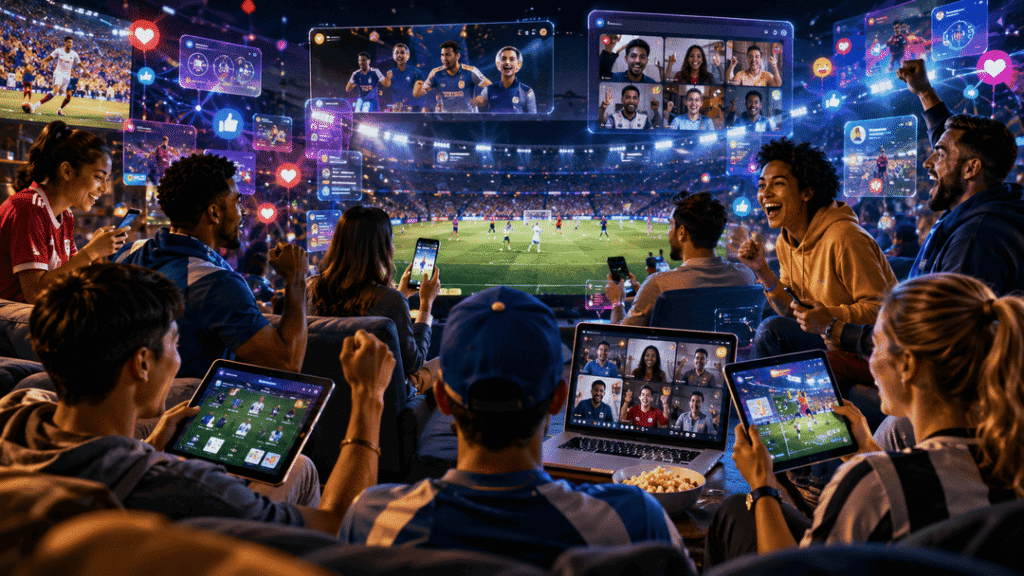
But what if watching games from home was actually helpful? Picture analyzing Mbappé’s moves in a virtual meetup or learning from holographic Patrick Mahomes. NFL quarterbacks now practice missed throws in slow motion, turning “what if” into muscle memory.
This isn’t just tech wizardry – it’s gamification rewriting sports’ DNA. The stadium experience is getting a major upgrade with headsets. Even ESPN Zone’s ghost is texting “I told you so” from the great sports bar in the sky.
So, does Jerry Jones really need a huge stadium when 10 million fans can virtually high-five? Grab your controllers, sports fans. The next evolution of fandom is here.
Introduction: Entering the Virtual Arena
Remember when “front row seats” meant arriving early and bribing an usher? Now, your couch is Anfield Stadium during Champions League finals. Your VR headset is like a golden ticket. For Gen Zers, traditional sports broadcasts are as exciting as dial-up internet.
Why watch Lebron’s fadeaway on TV when you can stand courtside in Meta Horizon Stadium? You can dodge virtual sweat droplets.
Nguyen, a 17-year-old from Hanoi, trains with Barcelona’s youth academy virtually. He uses Be Your Best VR to do Messi’s drills in his bedroom. Coaches in Spain analyze his moves. “It’s like having Iron Man’s Jarvis for sports,” he said.
The numbers show the shift:
- 66% of fans under 25 want interactive viewing experiences.
- VR sports tech adoption among teens has tripled.
- Average VR training session lasts 47 minutes.
Traditionalists might scoff, but they’ll change their minds after trying it. Imagine analyzing Steph Curry’s release angle through holographic shot charts. Picture trash-talking rival fans in virtual concession lines during halftime.
This isn’t just watching sports – it’s inhabiting them. College recruiters now look for kids who understand spatial analytics through VR reps.
VR doesn’t just replicate reality – it augments it. That Vietnamese teen is developing neural pathways through virtual pressure situations. It’s like the Tom Cruise Minority Report effect meets Nike training camp. The line between fan and athlete is being digitally redrawn.
The Rise of VR in Sports Training
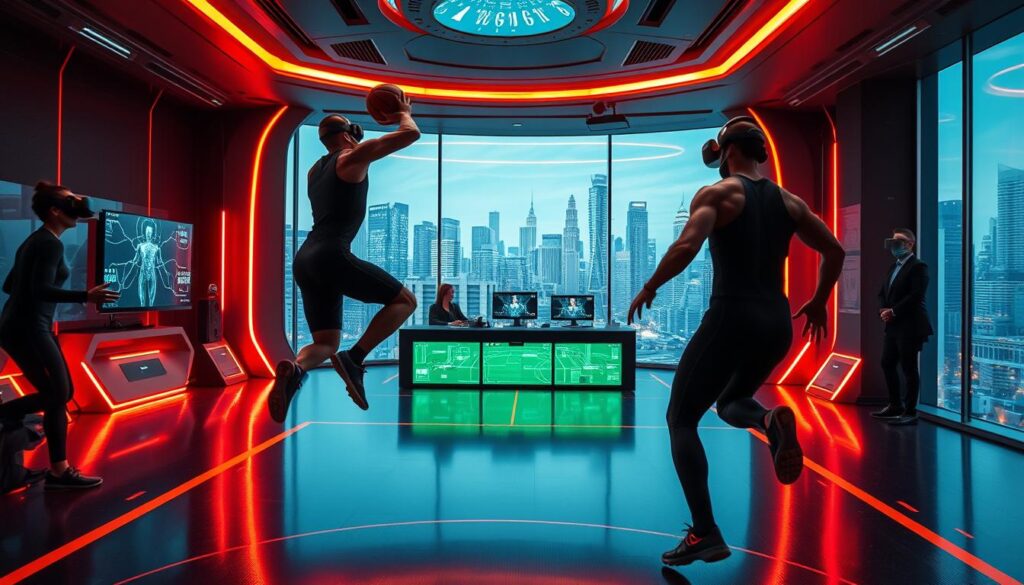
Remember when athletes honed their skills through endless drills and game tape? Today, they’re using digital simulations instead. This has led to 28% faster decision-making, as shown by Be Your Best’s studies. The Dallas Cowboys use STRIVR systems to analyze plays like chess masters.
NBA rookies study opponents’ tendencies through VR goggles, not just highlight reels. No need for grass stains when motion sensors track every move.
Elite Performance & Practice Drills
Kobe Bryant’s 4 AM gym sessions seem old-fashioned next to Luka Dončić’s routine. The Slovenian star reviews games in VR before breakfast. He analyzes defensive schemes like a film critic.
NFL quarterbacks practice pocket awareness through fantasy sports technology simulations. These mimic blitz packages from all 32 teams. Rookie passers now have the spatial awareness of 10-year veterans.
Reducing Injury, Mental Visualization
Rehabbing athletes are moving from boring stationary bikes to VR physio. This turns recovery into immersive games. ACL patients regain mobility 40% faster than usual methods.
Teams use mental visualization modules to keep sidelined stars engaged. One trainer said it’s cheaper than therapy and more effective than crosswords.
| Training Method | Skill Retention Rate | Injury Risk |
|---|---|---|
| Traditional Drills | 68% | High |
| VR Simulations | 91% | Low |
| Hybrid Approach | 82% | Moderate |
The magic happens when physical and digital worlds meet. Soccer goalkeepers train reaction times with VR modules firing virtual shots at 90 mph. Basketball centers practice boxing out against holographic Shaq clones.
As Sports Illustrated noted: “VR isn’t replacing sweat. It’s making every drop count.”
VR Stadiums & Live Gaming Experiences
Paying $18 for nachos at a game feels old. Virtual sports stadiums offer a new way to watch games. You can see the action up close from your couch, without the hassle.
Watching Live Games: VR vs. Your Grandpa’s TV
Watching games on TV is like seeing through a keyhole. VR sports broadcasts change the game. You can:
- Switch camera angles mid-play (yes, even under the basket during Giannis’ dunks)
- Chat with fans wearing jerseys from 12 different countries
- Freeze-frame 360-degree replays to dissect Mahomes’ throwing motion
DraftKings’ VR betting lounges are a game-changer. They make old fantasy leagues seem simple. Warner Bros’ AR glasses show us tech needs to be more than just cool.
| VR Viewing | Traditional TV | |
|---|---|---|
| Social Interaction | High-fiving virtual fans | Yelling at uncle Bob’s hot takes |
| Snack Prices | Your fridge, your rules | $12 lukewarm beers |
| Camera Control | Director’s chair access | Whatever CBS decides |
The Virtual Bleacher Experience
PSG’s VR tours let you explore locker rooms without TSA checks. Modern virtual sports stadiums offer:
- Pre-game tailgate parties with AI-generated nachos (zero calories!)
- Post-game meetups where you can photobomb virtual LeBron
- Exclusive merch drops visible only through VR headsets
These spaces are more than just copies. They’re digital arenas where fans worldwide can connect. But, you’ll need fast Wi-Fi to enjoy it.
Fans as Players: Interactivity and Immersion
Remember yelling at your TV like it owed you money? VR changed the game with a joystick. Now, it’s participatory theater where your couch is center court. Your loyalty is measured in digital trophies.

Fan Engagement Through VR Games and Challenges
Imagine trash-talking LeBron James in a virtual game while wearing pajamas. Leagues are mixing esports fan engagement with real stakes. The NBA’s Top Shot NFTs turned highlights into tradable assets, creating a $2.5 billion market fast.
EA Sports’ VR locker rooms let fans customize avatars with unique gear. Teams host VR skill challenges where the top 1% win real-game tickets. It’s like Travis Scott’s concert and ManningCast chaos, without the sickness.
| Aspect | Traditional Fandom | VR Engagement |
|---|---|---|
| Interaction | Cheering from stands | Virtual 1v1 player challenges |
| Rewards | Paper tickets | Blockchain-based NFTs |
| Socializing | Tailgate parties | Global VR watch parties |
The VR Collector: Digital Memorabilia and Game Rewards
Your childhood Panini sticker album got a crypto upgrade. Sports NFTs are the new rookie cards. Now, you can own a piece of Giannis’ holographic dunk and earn Solana tokens.
Teams are making merch sales a game. Buy a virtual jersey for player meet-and-greets in Meta’s Horizon Worlds. Collect 10 digital trading cards for a private Zoom call with the coach. It’s not just fandom—it’s a loyalty program with compound interest.
Youth and the VR Sports Revolution
Gen Z didn’t just say goodbye to flip phones. They’re changing how we train for sports. While millennials debated LeBron vs. Jordan, today’s teens are learning from holographic training. They’re turning TikTok stars into tomorrow’s pros with VR.
From Manila to Madrid: The New Training Grounds
Meet Carlos, a 15-year-old quarterback from Manila. He’s learning Sean McVay’s playbook through VR goggles. His secret? A $400 headset for virtual training against Aaron Donald clones.
Carlos’s coach is a Rams fan who got their 2022 schemes illegally. “Now I know how to change plays when Jalen Ramsey’s in press coverage,” Carlos says.
This isn’t just gaming. It’s sports tech for teens making training fair. A study in Vietnam found rural athletes improved 37% faster with VR than urban ones with old-school coaching. Now, athletes can train with the best coaches from anywhere.
| Training Aspect | Traditional Methods | VR Solutions |
|---|---|---|
| Playbook Mastery | 6-12 months | 8 weeks (avg.) |
| Injury Risk | High during contact drills | Near-zero in simulation |
| Global Coaching Access | Limited to local experts | World-class mentors worldwide |
eSports Meets Sweat Equity
FaZe Clan’s new recruits train like Real Madrid’s stars. They do VR tests in the morning and stream on Twitch by afternoon. This mix is creating new types of athletes.
19-year-old Alyssa Torres balances soccer scholarships with gamification in sports app development. “Why pick between FIFA and footwork? My app lets you do both,” she says.
Gen Alpha wants more from sports games. They want AI opponents, biometric challenges, and AR celebrations. The future is here, and it’s all about wearing a headset and training in mom’s garage.
Limitations, Challenges, and Future Pote
Let’s cut through the virtual hype: Current immersive sports tech can’t yet match Draymond Green’s infamous elbow. VR training lets athletes practice complex plays without strain. But it’s like learning chess without feeling the pieces – useful, but not complete. The magic will come when haptic feedback suits go from prototype phase to mainstream.
Until then, we’re in a limbo between digital perfection and sweaty reality.
Three critical roadblocks stand out:
- Cost vs. ROI: Traditional training costs $327 per session, while VR is $229. But can virtual reps replace the weight room’s grit?
- Sensory limitations: No VR headset yet mimics adrenaline spikes or lactic acid burn.
- Infrastructure demands: 5G networks need Serena Williams-level serve speeds for seamless multiplayer simulations.
| Training Aspect | Traditional | VR-Based |
|---|---|---|
| Cost per session | $327 | $229 |
| Injury risk | High | Low |
| Environmental control | Limited | Full customization |
The future? Imagine Zion Williamson perfecting cardio in VR sessions that adapt to his real-time biometrics. Or youth leagues using VR training in sports to democratize access to pro-level coaching. We’ve evolved from Jordan’s flu game to virtual endurance tests.
Next stop might be neural interfaces that make “Matrix-level” skill downloads possible. But until haptic suits become as common as jockstraps, the revolution remains half-court pressed.
Here’s the buzzer-beater truth: VR won’t replace sweat-drenched practices, but it’s creating a hybrid future. Athletes train smarter, fans engage deeper, and sports science gets its Moneyball moment. The meta-game? Building infrastructure that keeps up with our virtual ambitions.
Conclusion
Imagine telling future generations about the days when nachos cost $15 but you couldn’t smell them. Virtual reality in sports is changing how we watch games. It’s making fans feel like they’re right there in the action.
Now, stadiums come to life in our homes. With Meta Quest 3, fans can high-five holographic mascots during NBA games. More fans attend VR events than watch on TV, showing that virtual can be more exciting than real.
VR isn’t just about watching games; it’s about being part of them. Kenyan runners can study Usain Bolt’s moves in 360-degree replays. Alabama teens can practice their skills against Patrick Mahomes’ digital avatar. This technology is available now for just $10 a month.
Sports media is facing a big challenge. Why watch ads when you can play with Stephen Curry during timeouts? This isn’t just about the future; it’s about today’s options.
By 2030, Friday night lights will be a common sight in living rooms everywhere. Oculus’ new stadium tech lets fans order food while watching soccer. The real question is, will we ever look back at 2D screens with nostalgia?
Keep your VR headset charged. History won’t be kind to those who preferred watching games on flat screens.