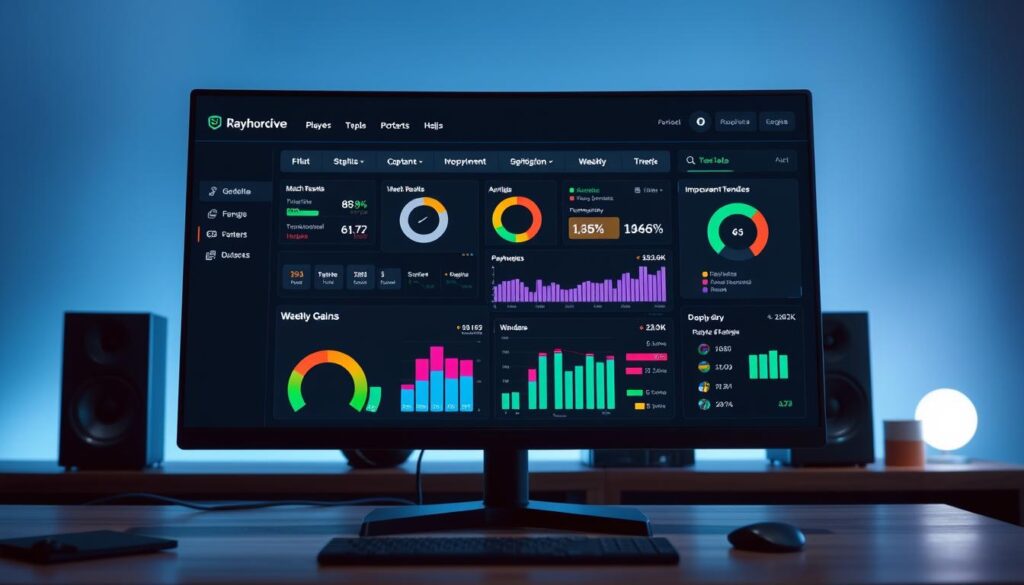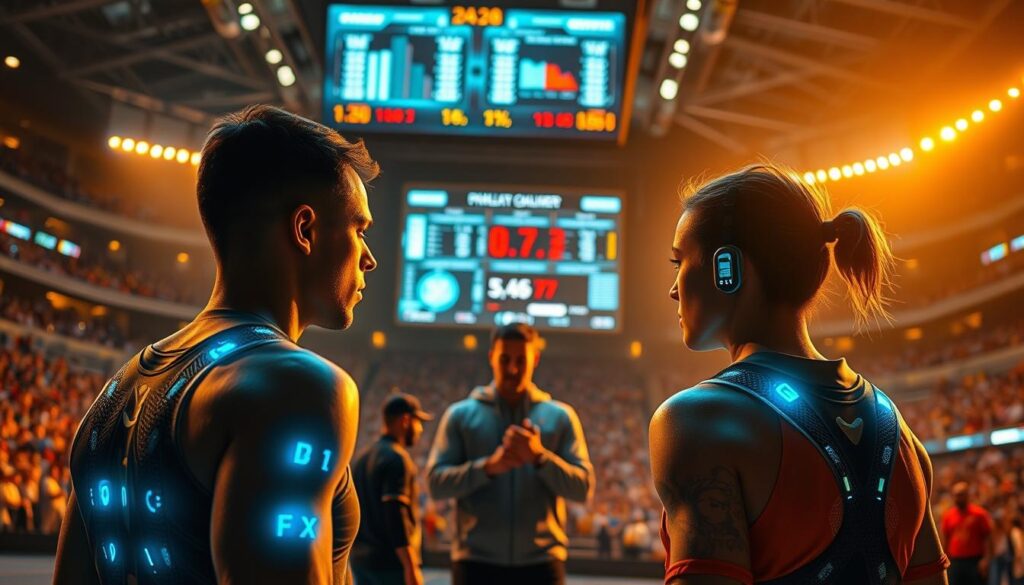
Remember when “gut feeling” decided game strategies? Today, Lebron James’ sweat holds more coaching wisdom than Phil Jackson’s playbook. What started as Formula 1 telemetry now whispers secrets through smart fabrics and arena-grade sensor arrays.
Take REV’IT!’s MotoGP wind tunnel tests. They’re not just tweaking aerodynamics. They’re rewriting how we understand air resistance at 200mph.
Wimbledon’s humidity detectors now duel with tennis stars for match influence. NFL mouthguards moonlight as concussion watchdogs. This isn’t sci-fi – it’s your nephew’s little league practice.
The same wearable tech that tracks Grandma’s steps now dissects Steph Curry’s shooting arc with microscopic precision.
We’ve reached peak irony: algorithms now motivate better than locker room pep talks. As stadiums become data farms, the real MVP might be the microchip measuring sweat electrolytes. Welcome to sports’ quiet revolution – where victory margins hide in spreadsheet cells and biometric feedback outshines championship rings.
Types of Sensors
Remember when Tom Cruise dangled from ceilings to plant surveillance devices in Mission Impossible? Today’s sports sensors are way more advanced. They don’t just track heart rates. They map biomechanics with the precision of a neurosurgeon and the subtlety of a CIA operative. Let’s look at the two main types that are changing sports.
Wearable Sensors
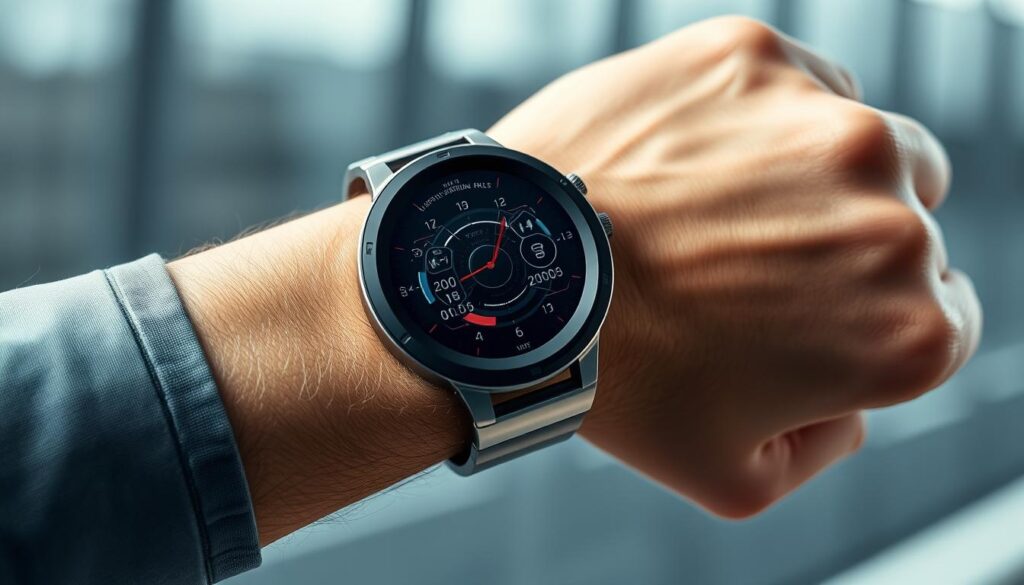
Your fitness tracker is just the beginning. Pro-level wearables like WHOOP straps and Evolv’s Red Box measure muscle oxygenation levels with high accuracy. NBA players’ compression shorts have gyroscopes that guide a SpaceX landing. Smart bras track respiratory patterns better than a pulmonary exam.
The real innovation isn’t what athletes wear. It’s what they don’t. The Milwaukee Bucks installed 28 motion-tracking cameras in their arena. This turned the court into a giant biometric chessboard. Giannis’ euro-step became quantifiable physics, not just highlight-reel magic.
Non-Intrusive Solutions
Why stick sensors on sweaty athletes when you can turn entire stadiums into detection grids? LiDAR systems track puck speeds in NHL games with 0.01mm precision. Soccer fields embedded with RFID chips create real-time heat maps that make Pep Guardiola’s tactics look elementary.
Video analysis platforms like Hudl Pro transform game footage into 3D models. They calculate optimal shooting angles like Steph Curry’s personal geometry tutor. The Chicago Bulls’ practice facility uses floor sensors that detect force distribution. Even Michael Jordan’s legacy needs quantifiable metrics.
| Sensor Type | Data Collected | Pro Sports Adoption |
|---|---|---|
| Wearable Biometrics | Heart rate variability, muscle load | 92% of NBA teams |
| LiDAR Tracking | Object speed, trajectory analysis | 17 NFL stadiums |
| Smart Floor Sensors | Impact force, movement efficiency | 100% of Premier League clubs |
The arms race between wearable tech and stadium surveillance is fascinating. As sensors shrink, their impact on sports strategy grows. Next time you see LeBron adjust his shot mid-air, remember – there’s a 67% chance he’s subconsciously optimizing based on last Tuesday’s sensor data.
Improving Athlete Performance
Imagine LeBron James having a real-time guide of his body during a dunk. That’s what modern sensors do for athletes. We’ve moved from clipboards to a world where data-driven coaching makes all the difference. This tech turns regular players into high-tech athletes.

Real-Time Feedback: The Biometric Teleprompter
When Simone Biles’ sensors found a 0.5° gap in her vault, her coaches acted fast. They changed her landing plan right away. It’s not science fiction; it’s what happens at sports training every day.
Modern systems track:
- Muscle activation patterns (Is your left quad slacking?)
- Microsecond reaction times (Did you blink during the starter’s gun?)
- 3D movement mapping (That “perfect” jump shot? It’s 12% elbow-deficient)
Data for Personalized Training: Your DNA’s New Personal Trainer
Meet Sarah, a D-III runner who became an Olympic contender. Her secret? Sensors showed she burned carbs 23% faster than others. Personalized nutrition analytics made her a metabolic powerhouse. It shows AI in sports analytics can change lives.
The new training trifecta:
- Sleep quality sensors → optimized recovery windows
- Hydration trackers → real-time electrolyte balancing
- Muscle oxygen monitors → customized interval training
Your Apple Watch? Cute. Today’s pro-grade systems are way more advanced. As more athletes use sports analytics platforms, the gap between amateurs and pros is disappearing.
Addressing Challenges
Imagine waking up to find your REM cycles being traded like crypto – welcome to Luka Dončić’s nightmare. Sensors are now sports’ new referees, leading to a biometric Wild West. Calibration errors could lose championships, and hacked heart rates might sway betting markets. It’s time to clean up this town.
The Goldilocks Problem: Not Too Hot, Not Too Cold
NASCAR’s tire sensors showed us a harsh truth: bad calibration burns rubber. A 2°F temperature error can turn pit crews into gamblers. The fix? Create self-correcting systems, like those in renewable energy grids, that adjust automatically.
Your Sweat Is Not a Democracy
Who owns an athlete’s breathing patterns? Fantasy leagues want it. Teams claim it. Athletes just want to breathe. MIT’s blockchain prototype offers hope – a world where biometric data flows like Bitcoin transactions, transparent yet encrypted.
Here’s where Silicon Valley could learn from Daytona’s asphalt:
- Ethical AI isn’t about smarter algorithms – it’s about dumber access points
- Data governance should work like pit crews – specialized tools for specific jobs
- Privacy settings need more layers than a winter training outfit
The real challenge in sports analytics? Making data stewards as sexy as quarterbacks. Nobody dreams of being a biometric compliance officer. But maybe they should.
Innovations and Future Trends
The sports tech world has moved from steroids to high-tech gadgets. No need for Tony Stark’s lab anymore. Today, tech is woven into sports gear and stadium floors. REV’IT! is making motorcycle leathers that could be from NASA, and their new smart gear tracks muscle and airflow.
Imagine cleats that adjust like Tesla’s cars or AR goggles showing heat maps of a pitcher’s grip. The 2028 Olympics might see more tech than Silicon Valley.
Smart Fabrics and Equipment
Sportswear has evolved from just keeping you dry to understanding your mind. Nike’s shoes now adjust based on GPS data. Under Armour’s sleepwear tracks your sleep quality.
But the real magic is in cloud computing. It turns data into holographic plans. Coaches could soon see 3D simulations of LeBron’s shots and Wembanyama’s reach.
Sensor Technology in Upcoming Competitions
When the Denver Nuggets use sensor tech for fantasy leagues, we know we’re in a new era. Virtual reality lets quarterbacks practice against digital opponents. E-sports analytics track reaction times with incredible detail.
AI might even predict ACL tears before they happen. The future is exciting, but remember to check those smart shorts’ privacy policy.