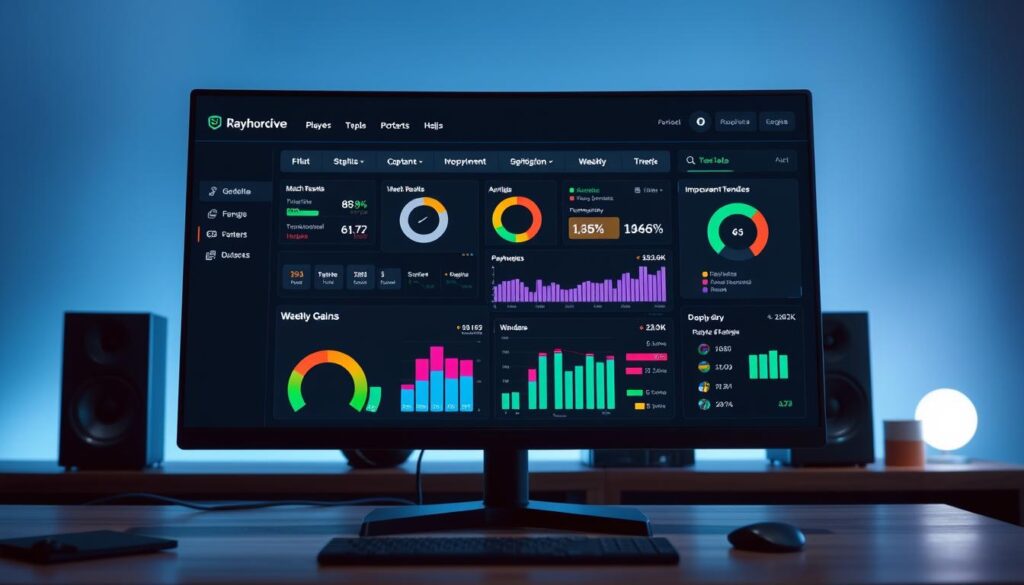
Remember when gaming was just about arguing over keyboards in your friend’s basement? Now, we have RGB-lit battlestations and huge audiences. The industry’s worth has grown a lot, expected to reach $1.8 billion by 2025. Watching pros play is like watching the Super Bowl, minus the ads.
But there’s a catch: every move in games creates a lot of data. While players aim for victory, teams focus on heatmaps and other metrics. It’s like Moneyball, but with gaming analytics.
Data security is also key. Companies like Polarbackup protect pro gamer data like the NSA protects secrets. Losing a game is bad, but losing your data to hackers is worse.
We’ll look into how gaming analytics changed the game. We’ll see why your favorite streamer’s success depends on spreadsheets. Are you ready to learn more about the numbers behind gaming?
The Growing Role of Data
Is data the new digital steroid for e-sports? Imagine McLaren Racing’s F1 drivers using sim data from Gran Turismo to improve. They’re not just playing games; they’re using Big Data in Sports to shave milliseconds off their lap times.
Understanding the Industry
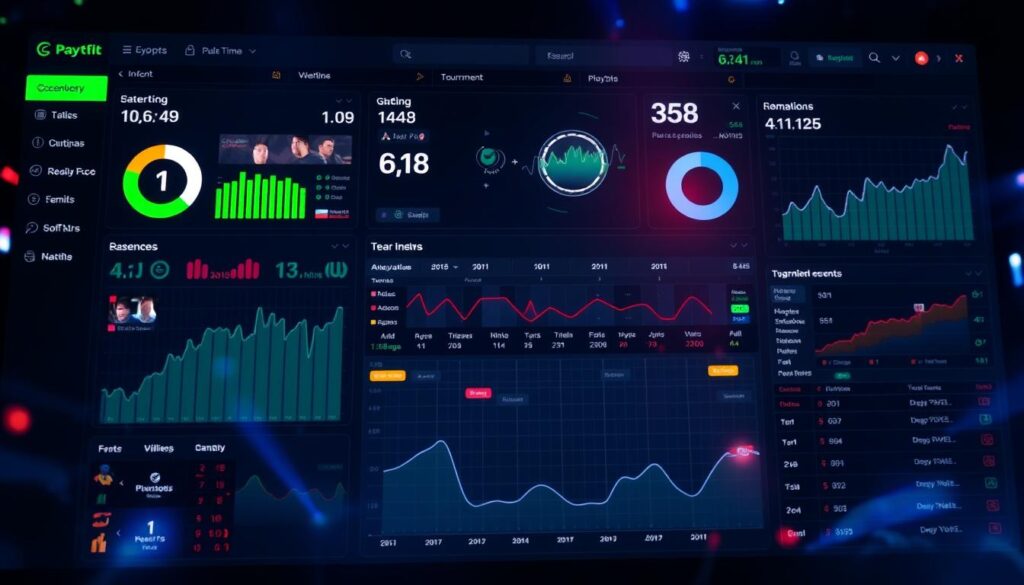
The e-sports analytics rush is like nothing Wall Street has seen. Teams track 37 metrics, from APM to “rage quit likelihood.” It’s like Moneyball but with RGB lights. When McLaren invested in sim racing, they were using E-Sports Data to learn real-world physics.
Twitch and YouTube Gaming metrics show what viewers like. It’s not just about chat spam. It’s about what makes audiences stay. Heatmaps track eyeball movements during key moments. That’s how you turn “PogChamp” into profit.
Key Metrics and Tools
Let’s dive into the nerdy stuff without boring you:
- APM: The Usain Bolt metric – how many actions can you cram into 60 seconds?
- K/D Ratio: Your new GPA (Gaming Performance Average)
- Emotional Resilience Score: Because nobody wants a teammate who rage-quits mid-tournament
| Traditional Sports | E-Sports | Why It Matters |
|---|---|---|
| 40-yard dash time | APM (Actions/Minute) | Digital reflexes > physical speed |
| Free throw % | Headshot Accuracy | Pixel-perfect precision |
| Ticket sales | Twitch Subs/Donos | Fandom 2.0 = direct monetization |
Analytics dashboards have evolved from simple spreadsheets to AI-powered tools. Players adjust strategies mid-match based on real-time data. It’s like cheating fate with spreadsheets. These tools don’t just predict outcomes; they rewrite the rules of competitive play.
Strategy and Engagement
Imagine if your gaming coach could feel your mistakes. Welcome to a world where data-driven coaching meets advanced technology. Teams use analytics so detailed, they analyze every aspect of gameplay.

Improving Player Performance
TDK’s PiezoHapt™ actuators have transformed controllers into tools for truth. They make you feel the game in new ways. Coaches now track:
- Micro-muscle tremors during clutch moments
- Neural response delays measured in milliseconds
- Emotional biometrics (yes, your rage-quits get graphed)
Players train 40% faster with AI sports analytics that combine Kobe’s dedication with Tony Stark’s tech. One Overwatch team even patented a “panic index” algorithm. They’re rumored to be suing TikTok for stealing their attention metrics.
| Old Coaching | New Coaching | Improvement |
|---|---|---|
| Post-game reviews | Real-time neural feedback | +62% reaction speed |
| Gut instinct | Predictive analytics | 83% accuracy boost |
| Yelling matches | Bio-calming playlists | -75% team drama |
Fan Interaction and Experience
Fantasy esports fans are now more involved than ever. They can trade virtual stocks and predict meme trends. They even earn crypto through their comments.
- Trade virtual stocks mid-tournament
- Predict meme trends via Discord analytics
- Earn crypto through trash-talk sentiment analysis
Pro tip: Look closely at VR betting menus for a Ready Player One Easter egg. But don’t tell the SEC about the Dogecoin loophole.
Platforms now measure crowd engagement in many ways. They use:
- Twitch chat toxicity scores
- Virtual jersey sales in Meta’s dead metaverse
- Emotional resonance of victory dances (flossing is the lowest)
The Technology Behind E-Sports
Remember when gaming tech was just duct-taping a joystick? Now, e-sports tech is like NASA’s mission control. It’s all about wearable tech in sports and cloud systems making gaming a science.
Real-Time Monitoring Systems
Today’s pro gamers wear more sensors than a true crime show subject. These sensors in sports performance track heart rate and muscle twitches. Even your pinky finger’s stress is monitored.
5G is a hero here, with 5G infrastructure requirements needing super-fast speeds. Sensor fusion makes data flow faster than a Fortnite team. It’s like your smart fridge is jealous.
Virtual Environments and Platforms
The cloud hosts virtual environments with perfect frame rates. It’s like a digital world where rage-quitters are shamed. Blockchain leaderboards stop cheating better than any friend.
NFT stadiums might not be useful, but cloud computing in sports is a game-changer. It makes global tournaments run smoothly. Platforms use AI-driven analytics to predict player moves before they act. It’s Minority Report, but less creepy.
Evolving Industry Standards
The esports world is facing big questions. AI coaches and VR tournaments are changing the game. A recent industry report shows 38% of companies are updating their plans. It’s like we’re building rules while racing.
Developing Best Practices
Ethics in sports tech is more than just banning tech implants. It’s about changing strategies and balancing tech with the environment. Valve’s Steam Deck and Epic’s Unreal Engine 5 show how to do it right.
Looking Forward
Tomorrow’s esports will be different. With 64% of execs focusing on growing audiences, we’ll see more augmented reality. But we also need to watch out for burnout. It’s about creating a balance where everything works together.