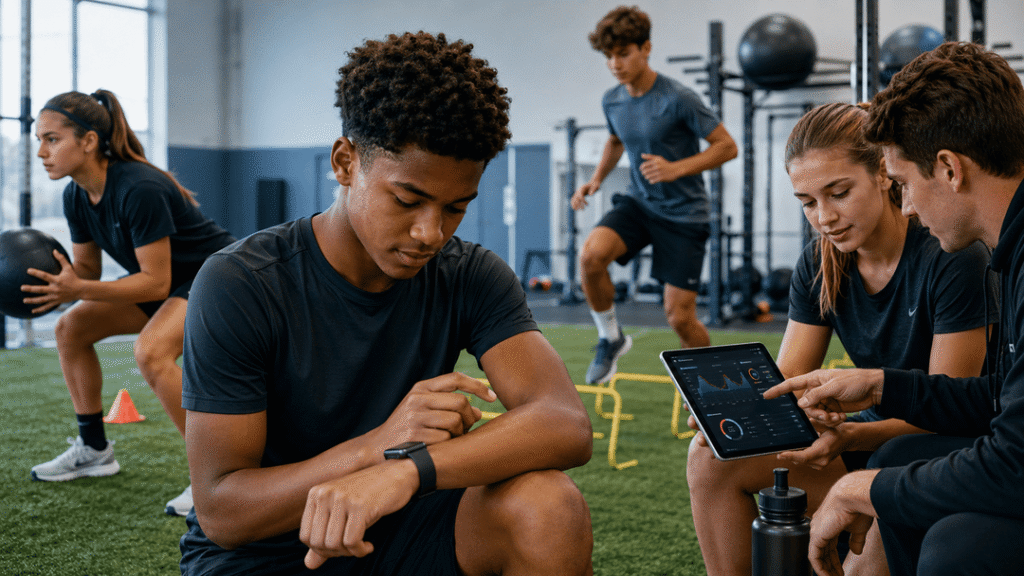
Remember Brad Pitt’s Billy Beane turning baseball into a math problem? Now, data-driven decisions are the new “stealing home plate”. We track heart rates, ticket sales, and Twitter hashtags. The sports analytics revolution has grown from Moneyball’s spreadsheets to AI predicting ACL tears and concession stand sales.
Purdue University’s BAIM project turned old ticket lists into gold mines with Power BI. It’s not just about winning games anymore. Analytics now answers questions like: “Which high school quarterback’s Instagram followers will buy the most merch?” or “How do we make halftime nachos arrive before the third-quarter slump?”
Wearable tech tracks amateur athletes, and blockchain verifies digital trading cards. This field mixes MIT math with ESPN highlights. The same algorithms that help Steph Curry now reduce beer waste in stadiums. Every dribble, ticket scan, and tweet fuels smarter decisions.
Career paths here aren’t just for stat nerds. Teams need storytellers and techies. Purdue’s brainiacs showed you don’t need an Ivy League degree to use data as sports’ secret weapon.
Enhancing Team Strategy
Coaches no longer just rely on instinct and old VHS tapes. Today, playbooks are like NASA control panels, mixing AI in sports analytics with real-time data. Imagine Pep Guardiola checking heatmaps while enjoying his coffee – it’s the new standard.
Game Planning
Modern opposition analysis is like something out of a Sherlock Holmes story. Premier League teams use special balls that track 2,000 data points per game. This creates detailed maps of defensive weak spots, sharper than any Bond villain’s laser.
The NBA’s Second Spectrum system is like predictive analytics in sport on steroids. It calculates player movements like a chess master predicting the endgame.
Here are three ways data changes strategy:
- Virtual reality simulations that mimic rival team setups
- GPS vests in rugby that track player fatigue by the meter
- Automated models that predict pass success during set pieces
Tactical Adjustments in Real-Time
Remember when NFL challenges were based on a coach’s guess? Now, they use AWS-powered models during timeouts. Soccer managers get live data-driven sports updates on their tablets, like getting cheat codes in FIFA.
Rugby’s GPS vests alert staff when players reach 90% max heart rate. This means substitutions can be made before performance drops. It’s about preempting the opponent’s next move, like Minority Report for sports gear, without the creepy precogs.
Improving Player Performance
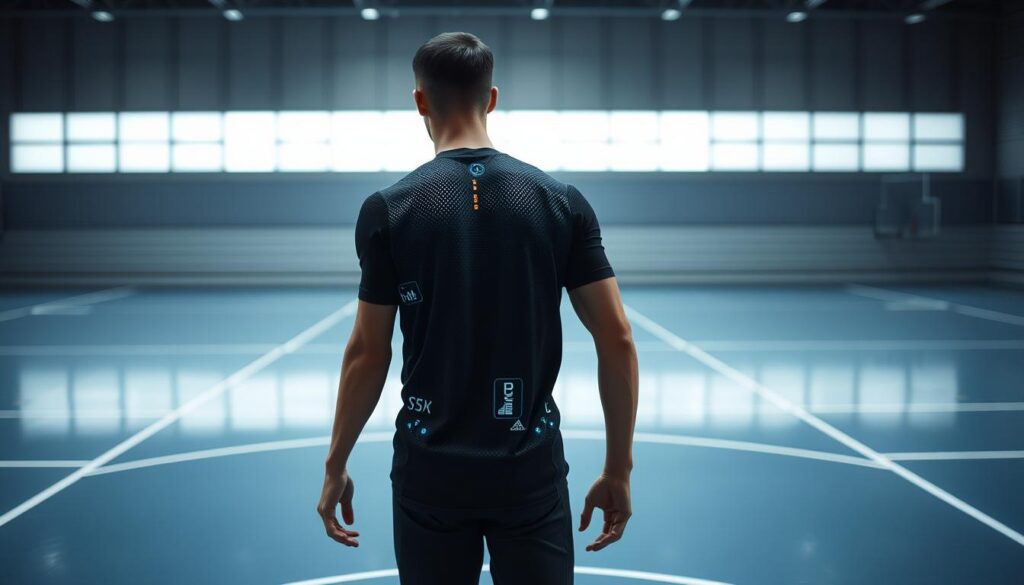
Step into a modern athlete’s training space, and you’ll see a lot of sensors. Today’s athletes aren’t just working hard; they’re collecting huge amounts of data. This data includes everything from sleep patterns to avocado-to-macronutrient ratios. Sports science has moved beyond old methods to a new era where wearable tech in sports is changing what’s possible for athletes.
Training Regimens: From Sweat to Algorithms
The old saying “no pain, no gain” is no longer the only rule. Now, teams like AS Roma use advanced tracking to tailor training plans. These plans are as unique as your favorite Spotify playlist. Here are some key changes:
| Old Approach | Data-Driven Upgrade | Performance Boost |
|---|---|---|
| Generic hydration advice | WHOOP strap sweat analysis | 17% faster recovery |
| Standard pitching drills | MLB sleep efficiency tracking | +3 mph fastball velocity |
| “Gut feeling” substitutions | Facial recognition fatigue detection | 22% fewer late-game errors |
Now, D1 basketball teams use AI to read players’ expressions during drills. It’s amazing how much a raised eyebrow can tell. And yes, we’ve reached a point where personalized nutrition analytics can suggest whether an athlete needs more kale or better sleep.
Personalized Coaching: The Art of Science
NCAA teams are using DNA testing to create meal plans for athletes. These plans are so detailed, they make gluten-free diets look simple. But here’s the cool part: sports analytics is now available for everyone, not just pros. Mobile apps let anyone track their fitness between work and play.
This raises big questions about the ethics of optimizing athletes’ biometrics. Is it like biohacking? With methods like Tom Brady’s TB12, are we close to genetically enhanced athletes? The line between peak performance and ethics is getting very thin.
Today, athletes use smart insoles and recovery algorithms to stay ahead. They’re not just playing games; they’re living in a high-tech world. The real win is making “personal best” more than just a phrase.
Fan Engagement and Experience
Remember when being a “die-hard fan” meant memorizing batting averages from the newspaper? Today, sports analytics have changed fandom into a quantifiable art form. It combines Wall Street data with Taylor Swift’s crowd connection. Teams now create experiences that release dopamine, not just sell tickets.
Data for Fans
Fantasy sports platforms like DraftKings are the sports data visualization hubs, using advanced algorithms. The Milwaukee Bucks’ VR experience lets fans feel like they’re right there, no matter where they are. It’s all about using data to make the game feel more real and personal.

AS Roma tracks everything from when fans buy merch to how they use stadium Wi-Fi. This creates a detailed fan profile that’s almost like a psychological study. Teams even predict how busy the concession stands will be, ensuring fans have a great experience.
Interactive Experiences
The Golden State Warriors teamed up with Sony for more than just VR replays. They’re creating e-sports analytics-driven broadcasts where fans control the cameras. NFT ticketing platforms are also changing the game, making season passes unique digital assets.
Cloud computing brings real-time stats to games, making broadcasts feel like NASA missions. The John Purdue Club uses machine learning to find new donors. It’s a mix of “Field of Dreams” and “Moneyball” in the digital age.
Sports Business Decisions
Every slam dunk and goal-line stand has a spreadsheet behind it. Front offices now treat fan loyalty like a geopolitical strategy game. They use analytics and models to predict who will donate more.
Purdue University’s athletics department uses machine learning to guess which alumni will give more. They aim to turn school spirit into lasting revenue.
When Sponsorships Become Data Science
Mercedes-Benz Stadium’s 4,000 solar panels do more than just power things. They feed energy data into sponsorship ROI calculations. This shows that sports tech isn’t just about being green – it’s a marketable asset.
Brands now want more than just logo impressions. They want social sentiment analysis, sales data, and even volunteer programs in sports analytics. These programs also serve as CSR initiatives.
The Dark Arts of Revenue Optimization
Teams track fan spending habits with great detail. Dynamic ticket pricing adjusts quickly, and concession apps use purchase history to suggest more sales. The Miami Heat’s models analyze everything from seat upgrades to parking lot exit times.
Let’s just say when your stadium app knows you’ll leave early, we’ve entered Black Mirror territory. Data in sports is changing how we watch games and rewriting capitalism’s rules. The real challenge is balancing profit with public trust, with every foam finger tracked.