Want to learn a pro-level crossover or shave minutes off your 5K? Today, the answer isn’t a pricey private coach. It’s a click away. We’re in a DIY revolution where elite knowledge streams directly to your screen.
This unprecedented access is the siren song of digital sports education. It promises variety, direct connection, and tools for peak performance. But let’s cut the hype.
Is this the democratization of elite training, or are we just building beautifully curated echo chambers of bad form? The integration of technology is a double-edged sword.
It offers incredible resources. Yet, it also breeds a subtle dependency. We trade privacy for progress without a second thought.
This article is your pre-game tape session. We’ll map the terrain from sprawling tutorial libraries to live-streamed digital dojos. We’ll examine the undeniable allure and then pivot to the shadow side: the minefield of misinformation and the costs we blindly accept.
Before you commit to a new digital coach, let’s dissect the real playbook.
YouTube: Free vs Premium Sports Content
YouTube for sports coaching is like searching a huge library without a map. You might find a pro athlete’s tips one minute and a cool drill in a garage the next. It’s all about learning more, with endless videos to watch.
The free model is amazing. It lets anyone with internet access get coaching. I’ve spent hours learning from videos, like studying a golf swing.
But, the platform’s not perfect. It focuses on what gets clicks, not what’s right. So, sensational titles and simple promises often win.
This creates a big choice. You have free, ad-supported content or paid options. Both are in the same digital world, where being an expert is up to you.
So, how do you find the good stuff? The table below shows the main differences. It’s about knowing what you’re getting into.
| Aspect | Free YouTube Content | Premium/Paid Channels & Courses |
|---|---|---|
| Cost & Access | Free (payment is your attention via ads). Instant, global access. | Subscription fee or one-time purchase. Gated access creates a perceived tier of value. |
| Content Curation | Algorithm-driven. Suggests videos based on watch history and trends, not pedagogical value. | Human-curated playlists or structured modules. Presents a linear learning path. |
| Credibility Spectrum | Extremely wide. Runs from world-class experts to enthusiastic amateurs. Verification is on you. | Often narrower, leveraging recognized names or certifications. Branding implies authority. |
| Depth & Detail | Highly variable. Can be incredibly deep or dangerously superficial. Rabbit holes are common. | Generally promises complete coverage. Depth is a selling point, but not always a guarantee. |
| Primary Motivation | Viewer engagement (likes, shares, watch time). Creator success is tied to virality. | Customer satisfaction & course completion. Success is tied to perceived ROI and reviews. |
Learning from YouTube isn’t just about sports skills. It’s about learning to think critically. You need to question if what you’re watching is based on science or just confidence.
The platform offers a lot. It’s up to you to decide what’s worth exploring.
MasterClass: Professional Athlete Instruction
MasterClass changes online sports learning into a journey with legends. It’s not just about drills. It’s about learning from the best.
Serena Williams teaches more than just a serve. She shows the mindset behind it in a stunning studio. The quality is top-notch, making it feel like a secret shared with you.
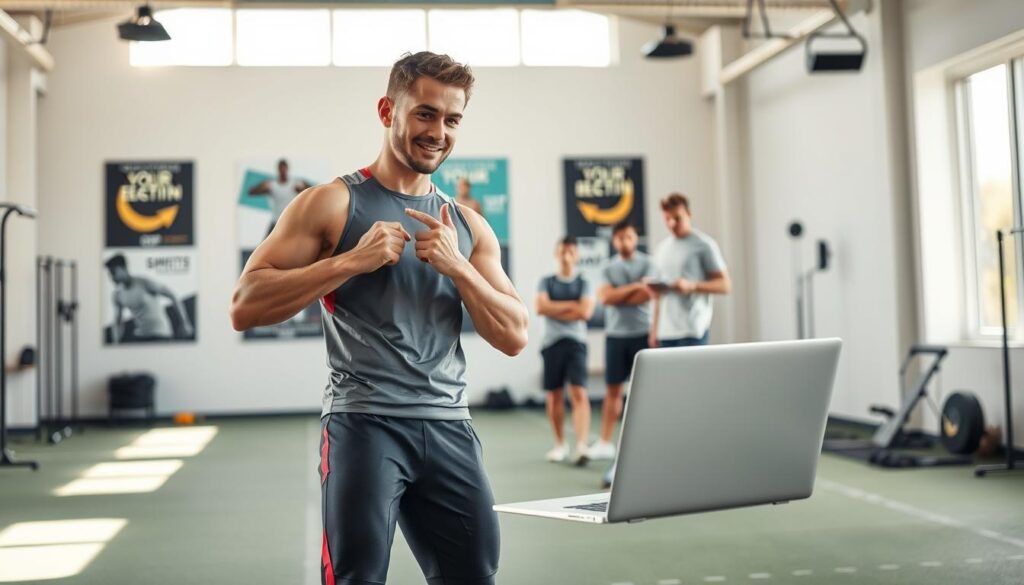
This platform uses tech to enhance performance through stories. It gives you a deep look into the minds of champions.
It focuses on big ideas, not small details. You learn from the best about handling pressure and movement. But, you won’t get hands-on feedback.
Studies show videos can greatly improve skills by showing excellence. MasterClass does this well. You see the perfect swing or strategic thinking up close.
But, does knowing the theory help when you’re nervous? Does watching inspire you to do better?
For those who love learning, these sessions are rewarding. They make you think deeply about sports. It’s like watching a philosopher at work.
The big plus is changing how you think. The downside is not knowing how to apply it. You get the “why” and “what” in high quality. But figuring out the “how” is up to you.
So, MasterClass is a unique part of online sports learning. It’s great for inspiration and deep analysis. It teaches mindset and method through video. But, it leaves the hard work to you.
TikTok: Micro-Learning and Quick Tips
If YouTube is like a lecture hall, and MasterClass is a private seminar, TikTok is like a hallway chat. It shows you cool tricks quickly. It’s all about fast, potent learning, perfect for quick consumption.
Think about scrolling through TikTok. You’re not there to learn; you’re there for fun. The data shows most people are there for entertainment. TikTok turns that into learning, like a 45-second tennis serve grip breakdown.
Digital sports education meets entertainment on TikTok. Videos have just one second to grab your attention. They’re all about the payoff, not setup or theory.
The platform is great at sharing quick tips in digital sports education. You get a footwork drill or a grip adjustment that feels magical. These tips are perfect for our short attention spans, giving us that “aha!” moment.
But sports skills are more than soundbites; they’re complex. They need progression, context, and understanding of principles. TikTok’s learning is often just a collection of tips, not a complete plan.
It’s like snacking instead of eating a meal. You might feel full, but are you really nourished? Seeing many “quick fixes” for your jump shot doesn’t mean you can do them all well.
This creates a big problem in digital sports education on TikTok. It’s great for quick tips or inspiration. But as a full curriculum, it’s not reliable. The video teaching “proper squat form” is next to one that’s dangerous.
See TikTok as a spice, not the main dish. Use it for that sudden insight or new view. But don’t think a bunch of tips is a full education. Your athletic growth needs more than just a highlight reel.
Twitch: Live Sports Skill Streaming
If YouTube sports coaching is like a polished documentary, Twitch is like the raw, live commentary. It’s not just tutorials; it’s a 24/7 gym where learning is immediate and social. You see climbers fail and succeed, hearing their thoughts and the chat’s opinions.
Twitch is all about real-time teacher-student interaction. The streamer performs, and the viewers give feedback. It’s not just about learning; it’s about being part of a community. You feel like you’re practicing together, making it a shared experience.
The learning here is unique. Unlike videos, live streams show the messy process of solving problems. You can ask questions and get answers quickly. You see how experts handle challenges, making it a raw, authentic experience.
But there are downsides. The focus on entertainment can affect the quality of teaching. Long streams might show unhealthy practice habits to viewers.
The chat can be a blessing or a curse. It can offer valuable advice or be filled with distractions. You need to learn to find the good advice in the noise.
Twitch is a bold experiment in interactive sports education. It shows the real side of learning skills. But it requires you to be active in your learning, separating useful advice from entertainment. It’s a vibrant, chaotic step beyond YouTube sports coaching.
Benefits: Accessibility and Variety
Accessibility is more than just a buzzword; it’s a game-changer in online sports learning. Now, anyone can learn from top coaches, no matter where they are. A teenager in Nebraska can study Lionel Messi’s moves just like a Barcelona scout.
This change is huge. It’s like making top coaching available to everyone. It’s a big shift that makes learning sports more open to all.
Geographical barriers are gone. Now, you can learn from experts all over the world. Whether it’s injury prevention in London or tactics from Serie A, it’s all available to you.
The variety of learning options is amazing. You can find everything from yoga to boxing to archery online. Your training can include:
- Morning yoga flows for mobility (courtesy of a former Olympian)
- Boxing combos for explosive power (taught by a reigning champion)
- Archery techniques for focus and breath control (from an Olympic medalist)
- Basketball ball-handling drills (broken down by an NBA trainer)
This variety isn’t just about different sports. It’s about learning new ways to think and move. You get better at recognizing patterns and understanding movement.
Learning online also has social benefits. Sites like Twitch make training a shared experience. You’re not alone; you’re part of a community that supports and motivates each other.
This community aspect is key. It helps you stay motivated and accountable. It’s something you often miss when learning alone.
Lastly, online learning drives innovation. When millions of people share and refine techniques, sports education moves fast. Skills are broken down into smaller, easier-to-learn parts. This makes feedback quicker and learning more effective.
In short, online sports learning gives you access to a global team of coaches. And it’s affordable. The benefits are endless.
Pitfalls: Quality Control and Misinformation
The world of digital sports education shines bright but has a dark side. Without a governing body, anyone can claim to be an expert. This leads to a spread of false information about sports and fitness.
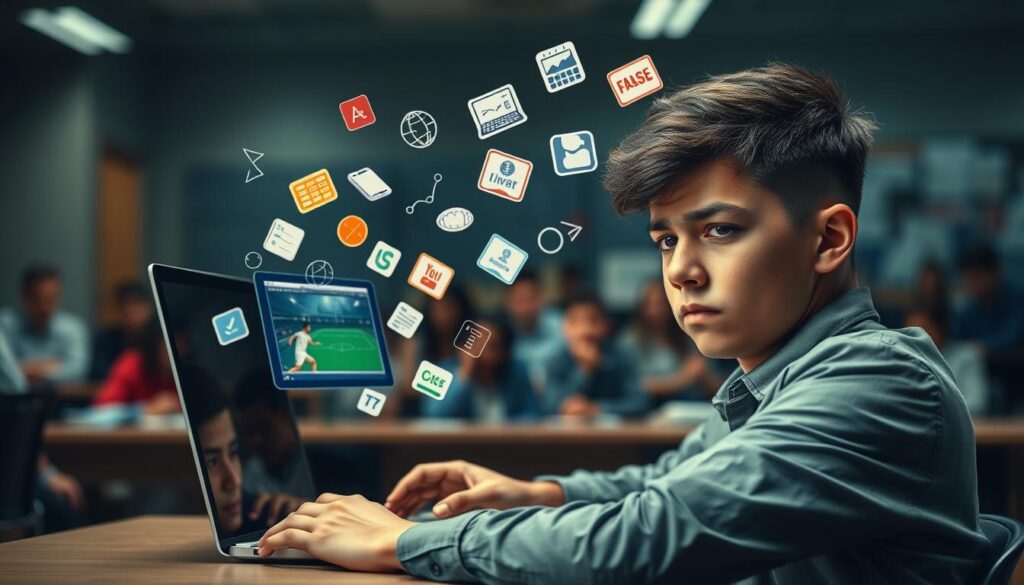
This situation can make you rely too much on screens. You might learn movements that are not good for your body. It’s like getting health advice from a TV infomercial.
Platforms also collect your data while you learn. They learn about your habits and what you search for. This data is valuable, and you might become a product for advertisers.
There’s also a big push for making money. It’s hard to tell if advice is real or just to sell something. The world of digital sports education is full of marketing.
The mental effects can be harmful. Some people might feel bad about themselves. This is because the platforms are designed to keep you engaged.
Here are some problems:
- Distracted Viewing: You might spend too much time watching videos instead of practicing. You collect knowledge but don’t use it.
- Information Overload: There are too many different ways to do things. It’s hard to know what to do.
- Normalized Extremes: You might think too much is good because you see it online. But it’s not always true.
- Pseudo-Community: You might feel like you’re part of a community, but it’s not real. It’s just likes and comments.
This can make you worse at sports and harm your health. You might get addicted to the idea of getting better, not actually getting better.
Also, not everyone can access this information. Some people don’t have good internet or devices. This makes things unfair in sports.
In conclusion, online coaching is powerful but needs caution. You need to be careful and know the flaws of these platforms. They might teach you more about their own problems than about sports.
Creating Effective Learning Playlists
If you find yourself lost in a sea of YouTube videos, you’re not learning. You’re just drifting. The digital world has endless content, but we only have so much time. It’s time to think like a curator, not a tourist.
We go to these platforms seeking knowledge, but without a plan, we get lost. Your goal is to watch better content, not just more of it.
First, find your primary source. This is like a core textbook. It should be from a trusted source like MasterClass. This is your foundation. Everything else should support it, not contradict it.
Now, enter the world of YouTube sports coaching. Here, curation is key. Use these channels for drills, technique, and community insights. Find a channel with great drills, but always check their credentials.
Your playlist should have different tracks for different needs. Each platform has a specific role in your learning. Let’s explore these roles.
Platform: YouTube sports coaching channels. Role: The workshop. Use for in-depth skills, slow-motion analysis, and practice routines. Allocate time for focused sessions.
Platform: TikTok. Role: The spark. Use for quick tips, mobility fixes, or motivation. It’s like an espresso shot—powerful but not a full meal.
Platform: Twitch. Role: The live lab. Great for Q&A, observing under pressure, and community discussion. But beware of binge-watching. Engage actively and log off.
The real magic happens when you synthesize information. You’ve gathered pieces from different sources. Now, check if they align with your main source. This turns information into understanding.
Your body is the ultimate judge. Does the new grip feel right in practice? Does the footwork improve your agility? Your playlist should help you achieve your goals, not just entertain you.
Build a dynamic system. Your playlist will change as you progress. Replace beginner videos with more advanced ones. Prune channels that no longer help you. Your digital coaching system should grow with your skills.
A great playlist is a living document. It’s intentional, balanced, and focused on application. It turns online chaos into a clear path to mastery. Now, start curating your masterpiece.
Supplementing Traditional Coaching
The smartest move is to mix both online learning and human coaching. It’s like having a Spotify playlist and attending a live concert. You need both for a complete sports education.
Online platforms are great for in-depth learning. Watch technique videos until you get it. This builds your mental map of the game. But then, your coach gives you the real-world feedback that algorithms can’t.
Studies in sports science back this up. Virtual coach education is best as a supplement. It’s good for follow-up and building knowledge, but can’t replace hands-on correction.
The aim is to empower athletes, not replace them. You use digital tools to ask better questions. Your coach is the expert who knows your body’s unique needs. This mix makes online learning a powerful tool for a smarter, more collaborative athletic journey.