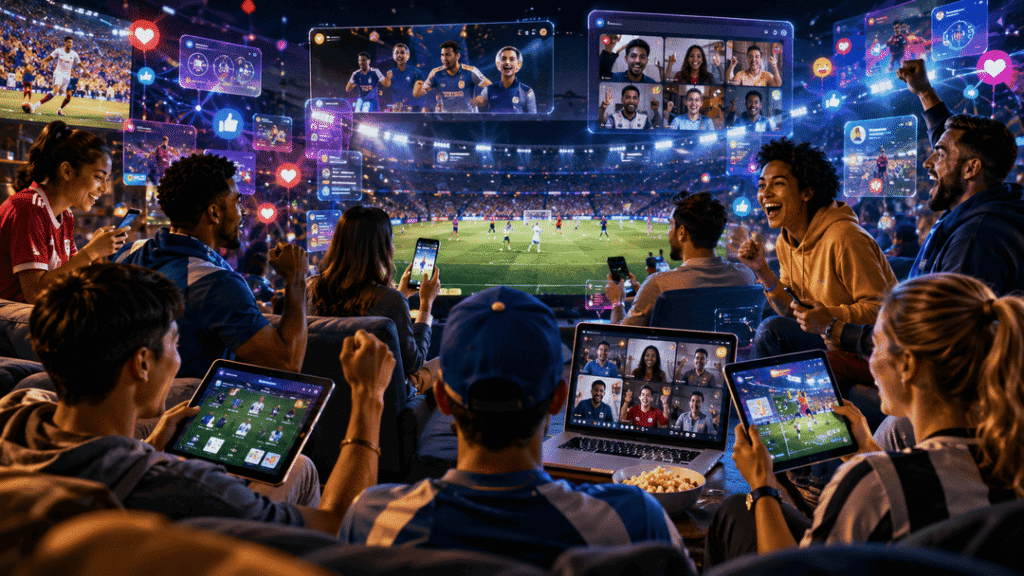
Remember when being a sports fan meant yelling at your TV? Today, fans are drafting lineups and betting avocado toast money on apps. This change shows we’ve moved from foam fingers to fantasy apps.
In India’s IPL, 62.5 million fans pick players like Pokémon cards. This isn’t just fandom; it’s a $375 million-dollar fantasy sports economy. Your barista’s basketball skills might be worth something. The 2018 Murphy v. NCAA ruling made stadiums feel like live-action RPGs.
Esports organizations are taking notice. They see fans as digital team owners. The global sports betting market is expected to hit $182 billion by 2030. It’s not about stadium food; it’s about making every viewer a stakeholder.
Social media changed how we watch sports. It turned our phones into permanent fantasy draft rooms. The big question is: Can traditional leagues keep up with fans wanting more control? And will Tom Brady’s fantasy stock ever bounce back from that Bucs season?
Introduction: Why Sports Needs Gamification
Imagine your fantasy league is teaching you about data analytics. Welcome to sports gamification, where fans are now active participants. Gone are the days of just watching games. Fantasy players now bet on sports, making every game a high-stakes event.
The Pro Kabaddi League is a great example. They added prediction contests during games, making fans feel like armchair coaches. Strava turned solo workouts into global showdowns, showing that even daily activities can be turned into games. It’s not just about being a fan anymore; it’s about being part of the action.
Gen Z didn’t kill traditional sports; they just wanted to play a part. Here are some changes they brought:
| Traditional Fandom | Gamified Experience | Data Points |
|---|---|---|
| Cheering from stands | Real-time player stats betting | PKL’s 63% engagement boost |
| Post-game analysis | Live prediction leaderboards | 81% fantasy-sports crossover |
| Static viewership | Strava-style achievement unlocks | 42% longer app session times |
The secret is simple: Competition + personal investment = unstoppable engagement. Fantasy leagues are more than games; they’re training grounds for sports tech experts. That cousin of yours who loves WAR metrics? He’s learning programming skills through ESPN.
This new era is creating jobs we never thought of. Want to create the next big fan game? Study Kabaddi’s live polls or Peloton’s leaderboards. The future of sports is in the code, not the stands.
Fantasy Leagues: Numbers, Strategy, Obsession
Forget Sunday sermons – fantasy sports have become America’s new secular religion. What started as rotisserie baseball nerds in the 1980s has evolved into a $23B industry. Now, armchair GMs analyze advanced metrics like they’re decoding the Dead Sea Scrolls. Let’s break down how fantasy leagues turned casual viewers into spreadsheet warriors.
What Are Fantasy Leagues?
Imagine drafting Elon Musk to run your tech startup, but with Patrick Mahomes. Fantasy leagues let fans build dream teams using real athletes’ stats. The NFL saw a 78% TV viewership boost from fantasy players.
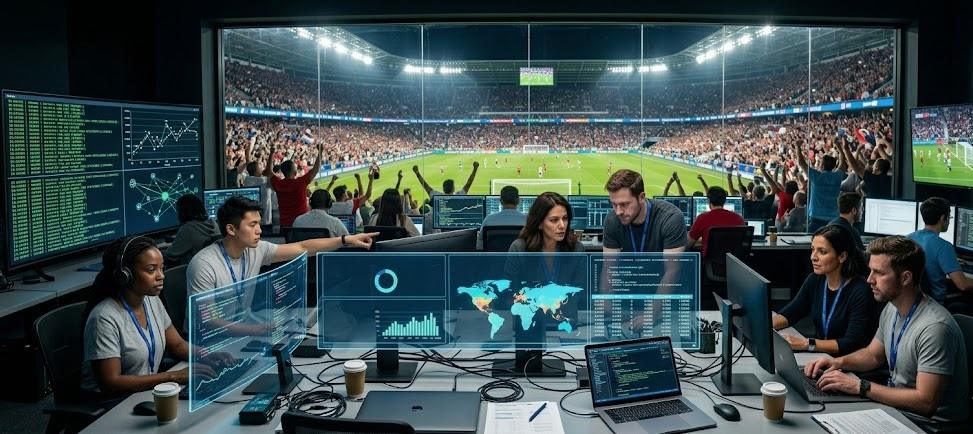
Platforms like ESPN Fantasy Football transformed the game. Their API-driven systems let users track:
- Real-time player performance
- Injury reports synced with news feeds
- Trade algorithms that make Wall Street look quaint
Reddit’s r/fantasyfootball (2.3M members) dissects PPR scoring rules like Talmudic scholars. Last season, one user calculated that starting a backup tight end during Week 9 had better ROI than 73% of Nasdaq stocks. Obsession? Maybe. Profitable? Ask the guy who cashed out $50K on FanDuel.
Youth and the Rise of Data-Driven Fandom
Gen Z didn’t inherit their dad’s team loyalty – they’re mercenaries chasing analytics. Sleeper.app (the Discord of sports nerds) lets users trash-talk via custom memes while tracking next-gen stats like “clutch factor” and “sideline tantrum frequency.”
Take the Mumbai office worker who tanked his IPL fantasy team by overvaluing Virat Kohli. His mistake? Ignoring “expected boundary percentage” metrics. Today’s fans don’t just watch games – they reverse-engineer them through apps.
- AI-powered draft recommendations
- Win probability heatmaps
- Injury prediction models (with better accuracy than WebMD)
This isn’t fandom – it’s applied statistics with a side of beer. And as leagues integrate blockchain player tokens and VR draft rooms, the line between sports and tech keeps blurring. Fantasy’s endgame? Turning every viewer into a GM, accountant, and psychic rolled into one.
Esports: Where Gaming Meets Traditional Sports
Twitch streams now rival Monday Night Football in viewership, proving joysticks are the new jockstraps. The line between athlete and gamer blurs faster than a Fortnite build battle. TSM’s League of Legends players pull salaries comparable to Premier League rookies. Evil Geniuses’ training facility looks like Tony Stark redesigned a CrossFit box. This isn’t your little brother’s basement LAN party anymore.
Professional Teams: Stadiums Without Grass Stains
Let’s dissect Team SoloMid’s 2023 roster contract. They earn $2.1M base salaries, with performance bonuses thicker than an NFL playbook. They also get health insurance covering carpal tunnel therapy. Compare that to Wolverhampton Wanderers F.C.’s academy players earning £4k/month. Both groups work 12-hour days. Only one risks permanent thumb damage.
Streaming platforms turbocharged esports fan engagement. Twitch’s 31M daily viewers don’t just watch—they tip, troll, and demand play-by-play commentary like sports radio callers hopped up on Mountain Dew. The real magic? Tech turning spectators into participants:
- VR camera angles letting fans “sit” beside pros mid-match
- Betting interfaces predicting headshot percentages like baseball sabermetrics
- AI coaches analyzing micro-movements (yes, even your failed smoke grenade throws)
Your Future Job Probably Involves a Gaming Headset
Shroud’s streaming rig—a $20k beast with more processing power than Apollo 11—isn’t just for show. It’s a blueprint for careers merging athletics and esports tech. The NBA 2K League’s average salary ($65k) might not impress Steph Curry, but their sports science team? They’re hiring biomechanics experts to optimize controller grip.
Think StarCraft II’s macro strategies—the art of managing resources while attacking—applied to real-world coaching. Evil Geniuses now uses machine learning for “supply chain management” of player stamina during tournaments. Entry-level roles you’ve never heard of:
- Data whisperers translating headshot ratios into merch sales
- VR engineers building virtual stadiums selling NFT jerseys
- Neurocoaches using EEG headsets to reduce tilt (gamer rage, for the uninitiated)
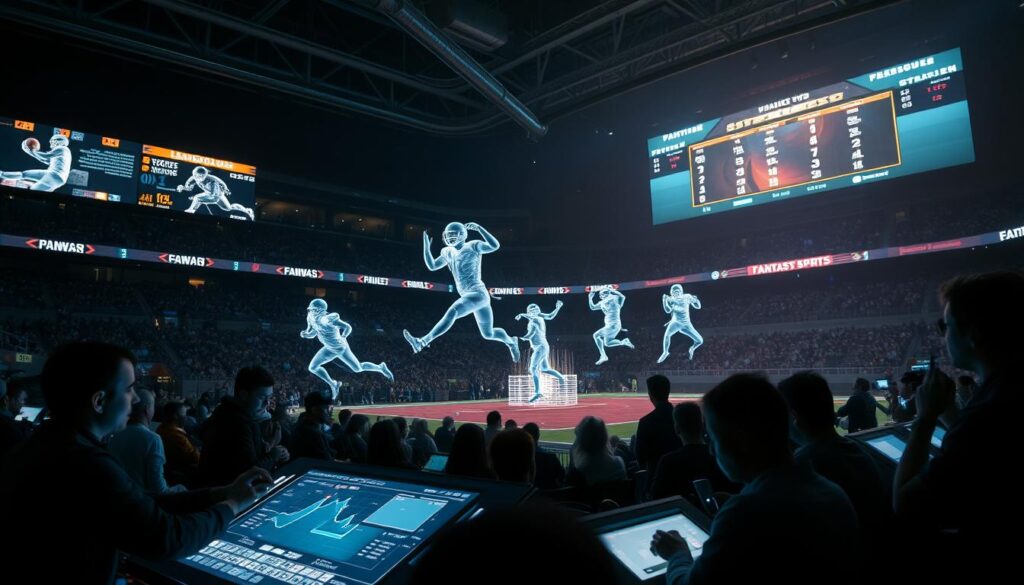
And that AR opportunity? Imagine watching Chiefs vs. Eagles while holographic stats hover over your coffee table. Fantasy football commissioners would spontaneously combust.
Gamification in Physical Sports and Training
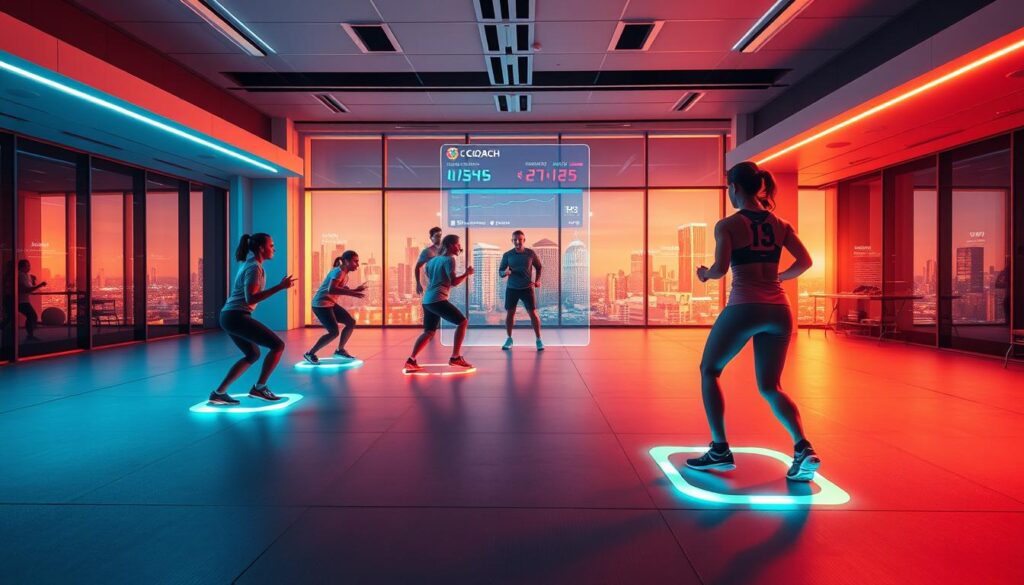
Remember jogging alone with a Walkman? Today, fitness is like a live-action RPG. Gamified sports learning changes how we train and redefines athletic obsession.
From Loot Boxes to Lunge Boxes
Nike Training Club’s XP system turns burpees into battle points. WHOOP’s strain metrics make recovery feel like unlocking achievements. Bayern Munich uses Zwift’s virtual cycling worlds for injury rehab, adding a digital rival to the mix.
College quarterback Jake Thompson improved his passing by 18% with Oculus VR drills. His secret? A training module inspired by The Witcher 3’s combat system. “It’s parry, dodge, throw – except the monster is Cover 2 defense,” he laughs.
| App | Gamification Feature | Real-World Impact |
|---|---|---|
| Nike Training Club | XP Level System | 23% longer user sessions |
| Zwift | Virtual Peloton Racing | 42% faster injury recovery rates |
| WHOOP | Strain/Recovery Game | 17% better sleep compliance |
| Fitbit | Step Treasure Chests | 31% more daily activity |
Fantasy football’s data-crunching ethos now hits gyms. My local CrossFit box runs “Dungeons & Deadlifts” challenges. Complete three PRs to “unlock” the foam roller. It’s ridiculous. It works. Rest days feel strategic, not lazy, when they’re “mana regeneration phases.”
The future? Virtual reality in sports training that makes Ready Player One look quaint. Imagine practicing free throws against a holographic Shaq or learning soccer footwork through AR obstacle courses. The line between athlete and avatar keeps blurring – and we’re all scoring XP.
Impact: Engagement, Learning, and Community
Imagine a world where your Twitter poll could change an NFL team’s fourth-down strategy. Welcome to 2023, where fan engagement games make fans part of the sports story. The Philadelphia Eagles’ viral play-calling shows that fandom is more than watching – it’s about shaping the story.
Reddit’s r/nba is like a 24/7 sports bar with deep analysis. Discord servers host mock drafts as intense as Wall Street. It’s not just fun – it’s a sports literacy bootcamp. The 45.9 million fantasy users in the U.S.? They’re learning salary cap math and injury analytics.
Take Jessica Lin, the UCLA grad who reverse-engineered NBA2K to predict player efficiency. Her work caught the Knicks’ attention quickly. Now, she’s working at Madison Square Garden, showing that gaming skills translate to career opportunities in sports tech.
The social media impact on sports is huge. Nike’s #NikePlus campaign turned sneakerheads into amateur coaches. ESPN’s Fantasy Focus podcast is like a masterclass in data visualization. These platforms aren’t just keeping fans engaged – they’re creating paths for the next generation of sports analysts and digital strategists.
Gamification turns passive consumers into active problem-solvers. When Eagles fans debate two-point conversion strategies online, they’re learning leadership. When fantasy leagues reward deep research, they’re teaching market analysis. The goal? A sports culture where every fan could earn a front-office internship through strategic hustle.
The Potential Downsides: Addiction & Toxicity

Fantasy sports and esports turn fans into active participants. But, they also create spaces where bad behavior thrives. The excitement of drafting Patrick Mahomes can lead to a 14% annual growth in fantasy gambling losses. This growth is staggering, making it seem like avocado toast sales are slow by comparison.
Social media makes things worse. NBA star Luka Dončić deleted Twitter after fantasy players blamed him for their losses. This shows even famous athletes can face harsh criticism online. The problem isn’t just in professional sports:
- Twitch’s 2023 transparency report showed 1.2 million banned accounts for harassment during esports streams
- Reddit’s r/problemgambling has daily posts about people losing homes and maxing out credit cards
- Sportsbooks now offer “reality check” pop-ups that feel like your phone judging your life choices
But, there’s a positive side. The industries behind these issues are working on solutions. Twitch’s new AI tools can spot hate speech quickly. The Overwatch League’s Pride Month skins not only fought toxicity but also increased viewership by 18% among LGBTQ+ gamers. This shows that inclusivity can boost engagement.
The big question is: Can these platforms change from digital addiction dens to safe spaces? We all hope our esports careers won’t be remembered for bad bets.
Future Trends & Opportunities
Imagine owning a digital asset that gains value every time Steph Curry sinks a three-pointer. Welcome to sports NFTs, where blockchain turns highlight reels into investment portfolios. Sorare’s fantasy soccer cards already let fans trade superstar avatars like Pokémon.
But the real play? Teams monetizing moment-specific tokens. Missed the game-winning shot? Your LeBron NFT just became a digital antique.
Augmented reality isn’t just for catching Pokémon anymore. The NFL’s AR helmet tech lets quarterbacks study holographic playbooks mid-huddle. It’s like Iron Man meets Monday Night Football.
Meantime, the Golden State Warriors use laser projections to diagram plays. They look like they were stolen from a Star Wars strategy session. But here’s the twist: these tools aren’t just for pros.
Youth leagues could soon deploy AR overlays to teach pick-and-roll fundamentals. They’ll use smartphone cameras.
Virtual stadiums in platforms like Decentraland promise front-row seats without the $25 beers. But Meta’s legless avatars make virtual dunk contests look like inflatable tube men at a car dealership. Until VR solves the “uncanny valley” of sports simulation, we’ll stick with real-world absurdities.
The future? A hybrid landscape where your fantasy league roster doubles as an NFT collection. Stadiums exist in AR/VR crossplay realms, and sports technologists become as essential as coaches. Just don’t expect Meta to nail the alley-oop animation before 2030.
Conclusion
Billy Beane’s spreadsheet revolution seems old compared to today’s sports gamification. We’ve moved from clipboards to VR headsets and box scores to blockchain collectibles. DraftKings’ MLB partnership shows fantasy leagues are serious business, not just for fun.
The $78.5 billion fantasy market by 2030 is baseball’s new way to measure success. It’s like a new WAR stat for teams.
Now, 17-year-olds create apps for tracking esports bets while studying calculus. Stadiums are becoming places for augmented reality fun. Fitness apps turn workouts into games.
This isn’t just being a fan anymore. It’s creating sports technology. The Oakland A’s used data to find hidden gems. Today, teams need VR experts, Twitch managers, and metaverse scouts.
Esports fan engagement is changing what it means to be loyal. Traditional teams might get left behind if they don’t use new platforms. But, there are risks, like the ethics of loot boxes.
Every exciting moment on ESPN could lead to a new generation of fans who just want to win. They might not care about the game itself.
The next big thing in sports won’t come from spreadsheets. It will be from coding, Unreal Engine, and NFT trading. The real question is, will you lead the change or get left behind?