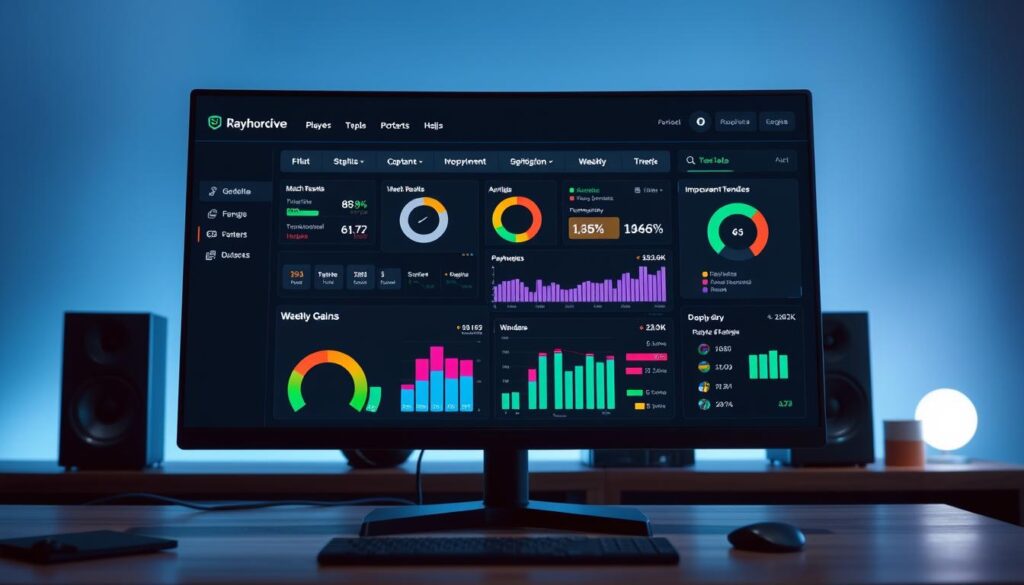
Remember when Moneyball made baseball managers use Excel? That magic is now in your gym bag. Your weekend tennis or basketball game just got a data-driven glow-up. You’ll see wristbands that check your backhand and apps that break down your free throws like an ESPN expert.
PlaySight’s SmartCourt used to be for Grand Slam tournaments. Now, it analyzes your serve at the local park. It gives you stats so detailed, even Djokovic might question his coach. And the best part? You don’t need a Silicon Valley budget. Tools like Power BI turn your phone into a pocket-sized stat lab, giving you insights fast.
This isn’t about replacing hard work with spreadsheets. It’s about giving you the tools to improve. Why guess your vertical leap when your smartwatch can measure it? Why trust your gut when your hydration app warns you of cramping? The game is the same, but our playbook is smarter.
Accessibility of Analytics
Remember when Moneyball made data analytics seem like a secret club? Now, anyone with a smartphone can collect data like the 2002 A’s. Let’s explore how non-pro athletes are using analytics without breaking the bank.
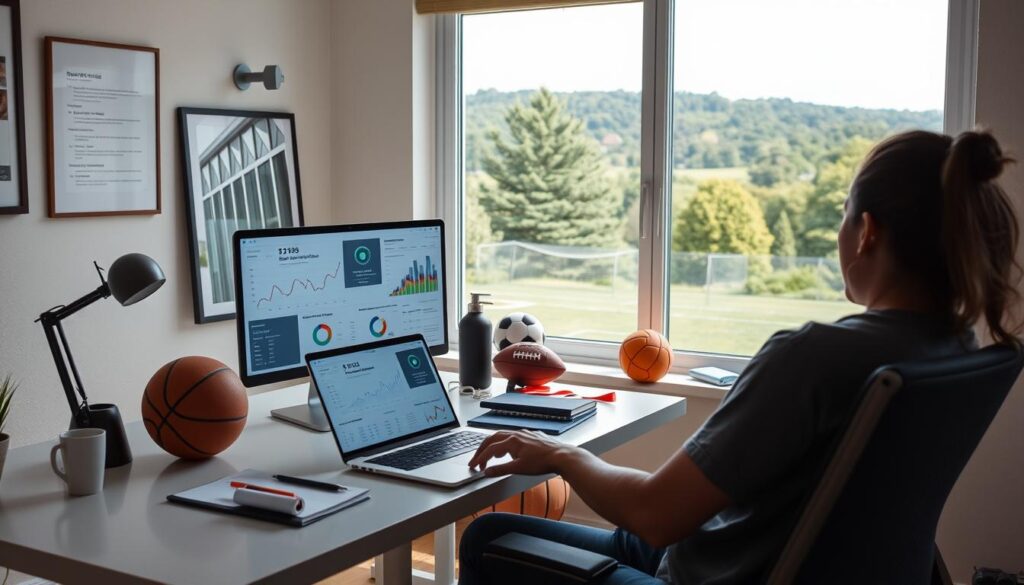
Availability of Tools: From Garage Bands to Gridiron Geniuses
Today, tech is like a sports sale – everything good is free. Here are three key tools:
- Tableau Public: A data viz tool that turns PTA meetings into NASA briefings
- FreeCodeCamp tutorials: For coaches who want to sharpen their Excel skills
- Open-source tracking: $200 camera systems that turn weekend players into Moneyball stars
| Tool Type | Pro-Level Cost | Amateur Hack |
|---|---|---|
| Video Analysis | $15,000/year | Smartphone + Kinovea (Free) |
| Biometrics | $500/athlete | Fitbit + Google Sheets |
| Playbook Software | $2,000/license | Canva + YouTube Tutorials |
Cost Considerations: The Freemium Trap and How to Dunk On It
Be careful with “free” apps – they might cost you in the long run. PlaySight’s pricing shows the value: systems that cost less than the team’s Gatorade budget but offer top-level insights.
Pro tip: Check if “AI-powered” means actual AI or just buzzwords. True data-driven coaching needs real data, not just fancy terms. A Texas football dad said, “Our $129 Hudl subscription does what the Cowboys’ system does, minus Jerry Jones’ face.”
Personal Performance Analysis
Remember when improving your backhand meant endless drills and a coach’s sharp whistle? Now, an algorithm critiques your form while you sleep. Amateur athletes track more than steps today. They dissect spin rates with precision and analyze their recovery naps.
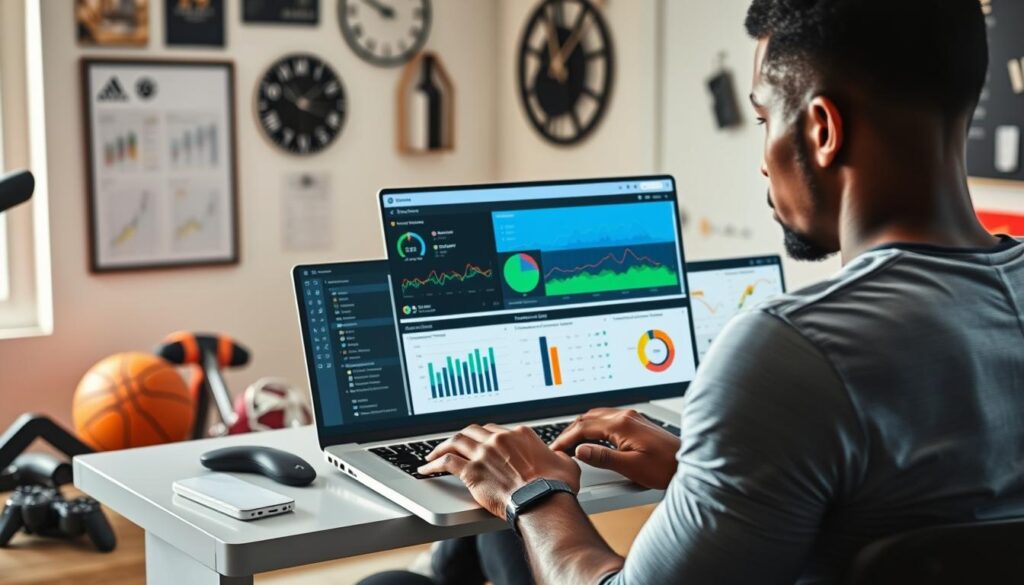
Tracking Progress: Your Phone Now Out-Coaches Coaching
Smartphone cameras have evolved from shaky highlight reels to 3D motion-capture studios. Apps like PlaySight measure tennis shot spin with 98% accuracy. Sorry, Uncle Bob’s “keep your elbow up” advice is now outdated.
Modern tracking focuses on three key areas:
- Biometric sensors map fatigue patterns like a weather forecast for your quads
- Video analysis tools dissect your form frame by frame
- AI provides insights on your VO2 max during Netflix binges
| Aspect | 2010s Approach | 2020s Tech |
|---|---|---|
| Form Analysis | Coach’s eyeballs | AI-powered joint angle tracking |
| Progress Tracking | Paper journals | Python EDA dashboards |
| Error Detection | “You’re leaning left!” | Spin rate metrics & torque graphs |
Setting Goals: When Ambition Meets Algebra
Gone are the days of “I’ll just try harder next game.” Modern athletes set targets so specific, they’d impress a SpaceX engineer. That Python EDA project you abandoned in college? It’s now crunching your pickleball stats.
- Baseline your current metrics (welcome to your athletic birth certificate)
- Let AI cross-reference 87 variables to set achievable milestones
- Watch sensors flag self-sabotage before you even feel tired
And about that gluten-free placebo diet? Your personalized nutrition analytics just correlated your carb intake with second-set slumps. The data doesn’t care about your Instagram food trends – it lives to crush your excuses.
Community and Local Events
Forget Field of Dreams – we’re living in the era of Spreadsheet of Dreams. Neighborhood kickball leagues now use the same analytics as Premier League scouts. The PTA bake sale heat maps are more advanced than Moneyball.
From Concession Stands to Championship Plans
PlaySight’s partnerships with high schools show something new. Your kid’s Friday night football game now has more data than NASA’s 1969 moon landing. We see:
- Real-time tracking of player movements (yes, even that kid who always runs the wrong way)
- Concession stand sales analytics predicting peak nacho demand
- Parking lot traffic patterns optimized by retired accountants turned analytics MVPs
The magic lies in local leagues using this data to democratize sports strategy. That pickleball craze? It’s not just for fun – it’s a data lab for testing player rotation algorithms.
Crowdsourcing the Sports Revolution
Community leagues are becoming incubators for sports tech sustainability. Reddit threads analyzing rec league drafts influence professional scouting models. Fantasy football fans are now volunteer data analysts for youth soccer clubs.
| Traditional Engagement | Data-Driven Approach | Outcome |
|---|---|---|
| Paper sign-up sheets | AI-powered volunteer matching | 87% faster roster fills |
| Guesswork scheduling | Weather + attendance prediction models | 42% fewer rainouts |
| “Who brought oranges?” | Nutritional impact tracking | 15% fewer halftime meltdowns |
The ethics get complex. Is it fair when a dad uses LinkedIn data to stack his kid’s T-ball team? Should communities monetize their sports analytics? One Little League commissioner said: “We’re not playing for scholarships – we’re training future data scientists.”
This isn’t just about sports anymore. It’s about building self-sustaining community ecosystems. Every dribble, serve, and post-game pizza party feeds into a larger analytics engine. The real victory? Turning casual fans into citizen data scientists – one overengineered bake sale at a time.
Long-Term Impact on Amateur Sports
The era of undiscovered talent hiding in spreadsheets has arrived. Casual fitness tracking has turned into a career-shaping tool. Your weekend basketball stats might be more important than you think.
PlaySight’s $21M funding surge shows Silicon Valley believes in beer league analytics. They see it as the new farm system for pro sports.
Developing Talent
Predictive analytics in sport can spot talent that human scouts miss. Middle school volleyball serves are analyzed by AI models trained on Olympic data. The next Curry might be the kid in a church league tournament.
This isn’t just Moneyball 2.0. It’s a way to find talent before college scouts do. Non-pro athletes become statistical outliers, ready for the big leagues.
Attracting Industry Attention
Your Strava heatmap could soon be like a stock portfolio. When Red Bull bids on pickleball data from retirement communities, it’s clear blockchain in sports is real. Fantasy sports platforms already make money from amateur stats.
Imagine fantasy leagues where you draft real local players based on AI-generated data. Career opportunities in sports tech range from data scouts to contract analysts for youth soccer stars.
The real game-changer? Amateur athletes becoming stakeholders. Your workout data, once worthless, now fuels billion-dollar models. The ball’s in your court: start treating your backhand like a venture capital pitch.