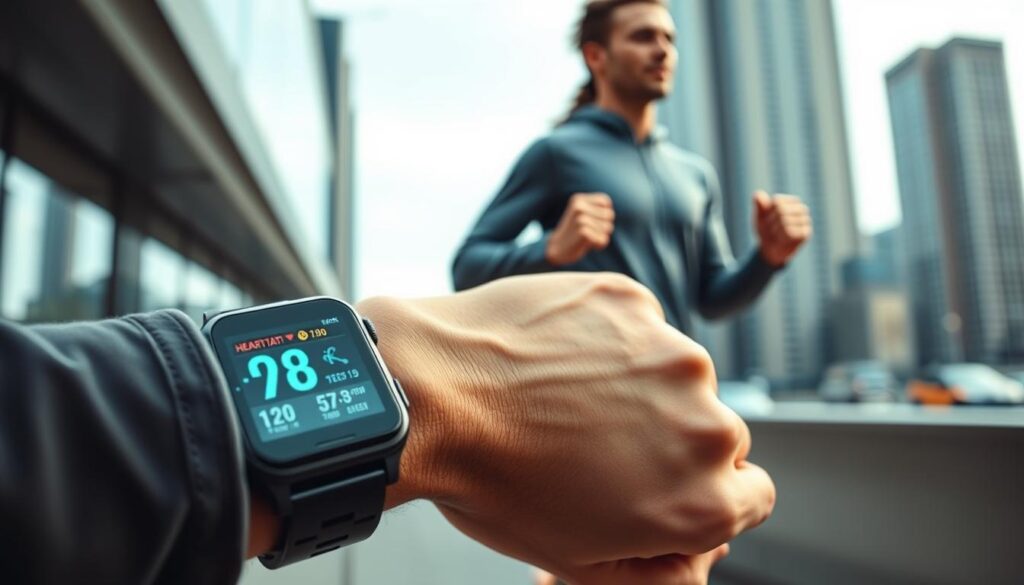
Imagine a college linebacker getting an email about his “4.3 hours of deep sleep” last Tuesday. He didn’t share that info – his coach’s WHOOP strap did. Now, athlete sleep tracking is more than just about recovery; it’s valuable. NCAA programs trade biometric data like stocks, making $1.3 billion a year from amateur sports.
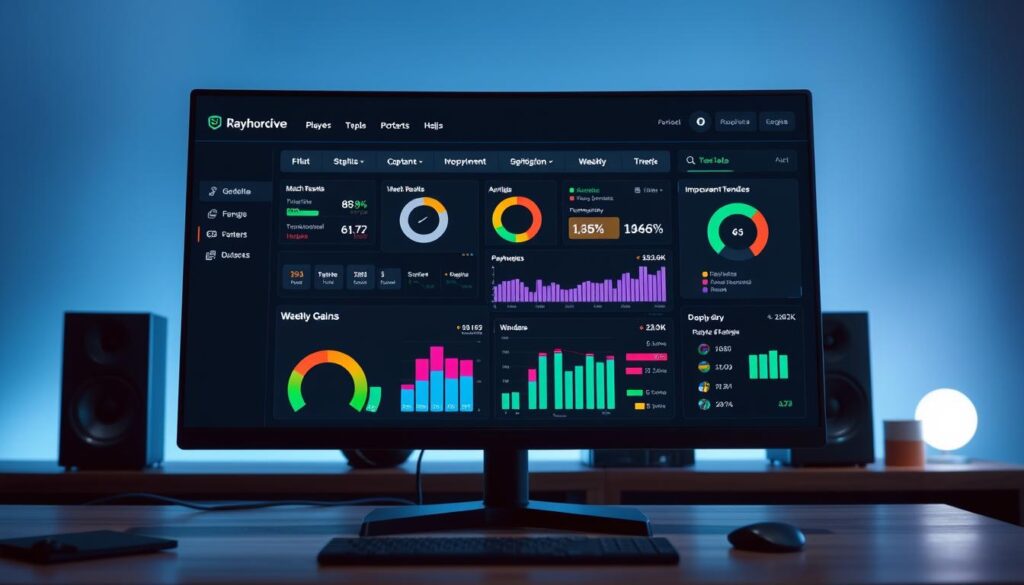
Wearables track over 140 metrics, which sounds amazing. But colleges make more money from this data than pro teams do. The real issue is data hoarding. As one quantified athlete forum user said: “My Fitbit knows more about my hamstrings than my physical therapist. Shouldn’t I own that intel?”
Here’s the catch: when schools profit from biometrics, who’s the real hero? The player working hard at dawn, or the algorithm selling their tiredness as “performance”? We’ve entered a world where self-tracking data ethics are more important than sports wins. If your heartbeat is worth money, do you get royalties for your scholarship?
This isn’t just science fiction – 140 million WHOOP users show it’s real. But as universities make money from pulse rates, we wonder: when does helping become taking advantage of? Your turn, NCAA.
Types of Self-Tracking Devices & Metrics
Your gym shorts now collect more intel than the NSA. Welcome to sports surveillance capitalism, where wearable tech has evolved. It’s no longer just about counting steps. Now, it’s about tracking everything from how fast you move to how well you sleep.
From Smart Fabrics to Neural Dust
Polar’s ECG-embedded shirts make your heartbeat someone else’s business model. Today’s fitness trackers come in three flavors:
- Skin spies: Adhesive patches measuring sweat electrolytes (because dehydration is so 2010)
- Textile tech: Compression gear with 12-lead ECG capabilities – your sports bra now moonlights as a cardiologist
- Implantables: Neural dust sensors that float in your bloodstream like tiny informants
| Device Type | Metrics Tracked | Brand Example |
|---|---|---|
| GPS Trackers | Speed, Acceleration, Workload | Catapult |
| Biometric Clothing | Heart Rate Variability, Muscle Activation | Polar |
| Recovery Tech | Sleep Quality, Stress Levels | Whoop |
The 24/7 Surveillance Athlete
D1 sprinters generate 1,000 data points per second – enough to make TikTok’s algorithm blush. This constant monitoring creates:
- Performance dashboards coaches treat like holy scripture
- “Mindfulness tech” that’s just meditation with a $399/month SaaS model
- Recovery scores determining your worth like some biological credit rating
The real endgame? Turning athletes into walking API endpoints. Because if you’re not selling your resting heart rate to third-party vendors, are you even optimizing?
Benefits: Performance, Accountability, Health
Imagine having a personal Jiminy Cricket whispering stats in your ear – except this conscience runs on lithium batteries and charges $29/month. Modern athletes don’t just train; they conduct symphonies of biometric data. Every heartbeat is a note in their cyborg ballet. But does this quantified life guarantee qualified results?
When Numbers Meet Muscle Memory
Boston University’s hockey team became biohacking pioneers last season, squeezing 12% better recovery efficiency from WHOOP bands. Was it the tech… or the psychological boost of feeling like “Blade Runner” extras? The real magic happens when raw data meets human context. Rookie analysts now dissect Catapult Sports dashboards with the fervor of fantasy football junkies, turning GPS heatmaps into playbook revelations.
Consider these game-changers for sports analytics beginners:
- Remote skill coaching: Esport training modules help quarterbacks read defenses 0.3 seconds faster – basically cheating, but legal
- Injury prevention: NBA teams reduced soft tissue injuries by 25% using Zebra Technologies’ motion tracking (take that, Achilles’ heel)
- Sleep optimization: College swimmers gained 1.2% speed improvement simply by aligning bedtimes with circadian rhythm data
| Metric | Traditional Coaching | Data-Driven Approach | Impact |
|---|---|---|---|
| Recovery Time | “You look tired” | HRV analysis + sleep staging | 18% faster (Source: WHOOP) |
| Skill Acquisition | Drill repetition | VR simulation analytics | 40% fewer errors (Stanford QB study) |
| Injury Prediction | Past experience | Machine learning models | 31% accuracy boost (NBA 2023 report) |
The true power lies in blending “Moneyball” efficiency with Rocky-style grit. When Texas high schools introduced esport reaction training for linebackers, tackling efficiency jumped like Taylor Swift concert tickets. But here’s the rub – does knowing your REM sleep score make you Michael Phelps, or just a neurotic Fitbit janitor?
As wearable tech evolves from smartwatches to “smart sweat” patches, athletes face a new existential question: Are we optimizing performance… or outsourcing intuition to algorithms? The answer might lie in Dwight Howard’s recent confession: “I stopped checking my recovery scores and just listened to my grandma’s chicken soup advice.” Sometimes, the most advanced tech is 100% organic.
Cons & Risks: Overtracking, Burnout, Lost Privacy
Welcome to a world where your squat record is seen as a corporate KPI. Colleges now track athletes like they’re managing stock. UNC uses Bluetooth beacons to monitor football players’ attendance. It’s like they’re treating athletes like digital pets.
When Data Becomes a Digital Whip
The 2024 NCAA House settlement gave athletes a share of revenue. But who owns the psychological toll of constant monitoring? Wearables today track more than just heart rates. They enforce productivity quotas under the guise of wellness.
- Step counters → GPS-enabled accountability partners
- Sleep trackers → algorithmic guilt-trippers
- Biometric scans → digital parole officers
This constant watch creates a twisted athletic body image and tech loop. Players are training for their data streams, not just their sport.
Today’s recruits build highlight reels and online athletic identities for social media. They use stats and training montages to impress. This blurs the line between their authentic performance and digital persona.
Schools now ask for “digital recruitment portfolios” that show everything. It’s like a mix of Black Mirror and Friday Night Lights. The NCAA’s new NIL rules make every locker room a content farm. A D-line recruit said he spends more time editing videos than studying film.
This focus on online athletic identity warps self-perception. It also creates permanent records that follow athletes long after they retire. In 2024, your teenage training data could come back to haunt you like a bad MySpace photo.
Data Ownership: Who Controls Your Info?
Your workout stats might be more valuable than your first contract. In today’s world, athlete data privacy is a big deal. Your biometric data is like digital gold, but you’re not the one making money from it. Let’s explore how your heart rate becomes someone else’s treasure.

Your Heartbeat, Their Intellectual Property
Nike paid Michigan athletes $173M for more than just jerseys. They wanted the data from chest straps. And those contracts? They made biometrics into corporate gold. Pro leagues soon followed, with the NBA imposing $250K fines for sharing data without permission. But what about athletes without lawyers?
There are three main areas of conflict:
| League Type | Data Control | Youth Impact |
|---|---|---|
| Pro Sports (CBA) | Negotiated ownership splits | N/A |
| NCAA | “Sign here” blanket consent | Recruiting algorithms |
| Youth Leagues | Parental opt-in required | Permanent digital footprints |
Wearable tech for kids gets really scary. That $99 smart sleeve your 12-year-old wears? It’s creating a data trail for college scouts and advertisers. Unlike pros, kids can’t fight back against data profiling.
Modern digital time management tools offer a tough choice. They help you improve, but at what cost? Parents must choose between limiting tech or risking their child’s competitive edge. It’s a tough call.
Next time your fitness tracker buzzes, think about who’s really benefiting from your data.
Consent and Data-Sharing Ethics
Ever read a tech EULA and felt like you’re signing away your firstborn? College athletes know the feeling. Modern consent agreements make Faustian bargains look like casual handshakes – even when universities use wellness programs to extract data.
The Illusion of Choice in Opt-In Culture
UNC’s infamous “download = consent” policy would make Stasi officers blush. Athletes found out their sleep-tracker app shared biometric data with coaches. This turned rest into a compliance metric. It’s not Black Mirror fan fiction. It’s 2023’s playbook for institutional overreach.
Mandatory mental health surveys now double as digital interrogations:
- “Rate your anxiety” becomes bench-warming predictor data
- GPS-enabled “mindfulness tech for athletes” tracks meditation compliance
- SpotterEDU’s classroom surveillance software repurposed for practice attendance
California’s NIL laws let athletes monetize their metrics. That 40-yard dash time? Now an NFT. Heart rate variability during finals? Sell it to meditation apps. Suddenly, tech for athlete mental health looks less like shackles and more like a SideQuest income.
But here’s the rub: True consent requires alternatives beyond “opt-in or get cut.” When schools profit from athlete data while banning third-party deals, it’s not wellness – it’s wage theft with better PR. The solution? Treat biometrics like NIL rights. If coaches want your heartbeat, make them bid against Whoop.
Navigating the Tech Landscape
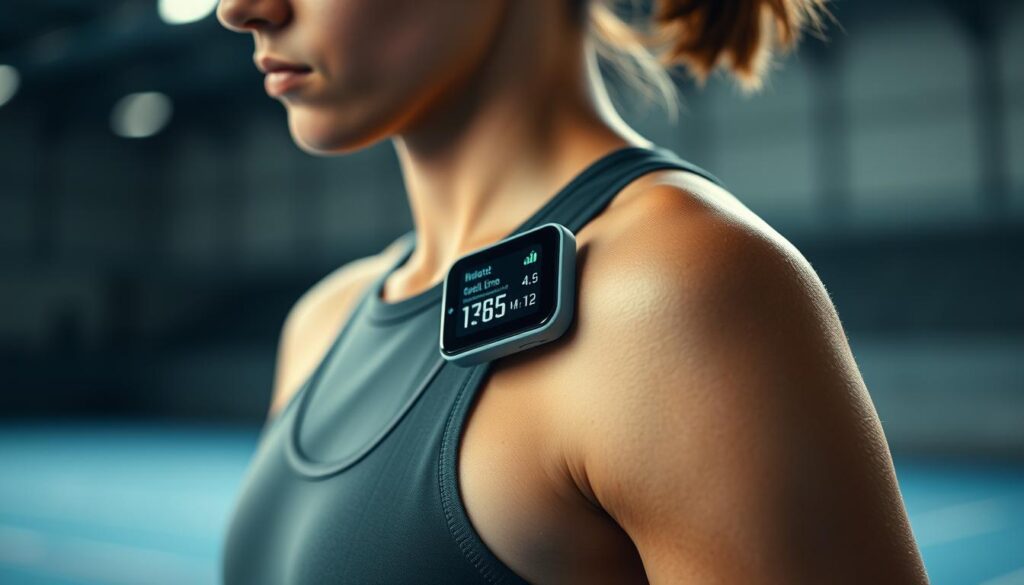
Your next fitness tracker might be spying on you. Welcome to the world of wearable tech. Military-grade systems like Catapult’s OpenField vests track athletes’ movements. But, youth leagues use cheaper sensors that drain your phone’s battery fast.
That app promising to improve your esport skills? It might be recording your moves for rival teams. It’s all about who’s watching you.
Buyer’s Guide for the Surveilled Athlete
Let’s clear up the tech confusion. Rule #1: If it wants your contacts or camera, it’s not just tracking your jump. It’s collecting your personal info. Zebra’s tools offer great insights but their data policies are scary.
| Device Type | Data Collected | Privacy Risks | Verdict |
|---|---|---|---|
| Military-Grade Trackers (Catapult) | Muscle activation patterns, fatigue levels | Hacking vulnerabilities, corporate data harvesting | 🏆 Proceed with caution |
| Budget Fitness Bands | Heart rate, sleep cycles | Location tracking, third-party data sales | 🚩 Red flag special |
| Esport Skill Trainers | Reaction times, strategic patterns | Algorithmic IP theft, rival team insights | 🕵️♂️ Assume you’re being watched |
Here are three tips for athletes:
- The battery test: Good devices last all workout. If it dies fast, it’s likely a spy or cheaply made
- The permission audit: Why does a fitness tracker need your mic? It doesn’t
- The resale check: eBay has lots of used devices. If you see many, someone’s making money off your data
Free or cheap tech? You’re the product. That $49 sleeve tracking your skills? It’s really selling your data. Pick your digital chains wisely.
Expert Perspectives
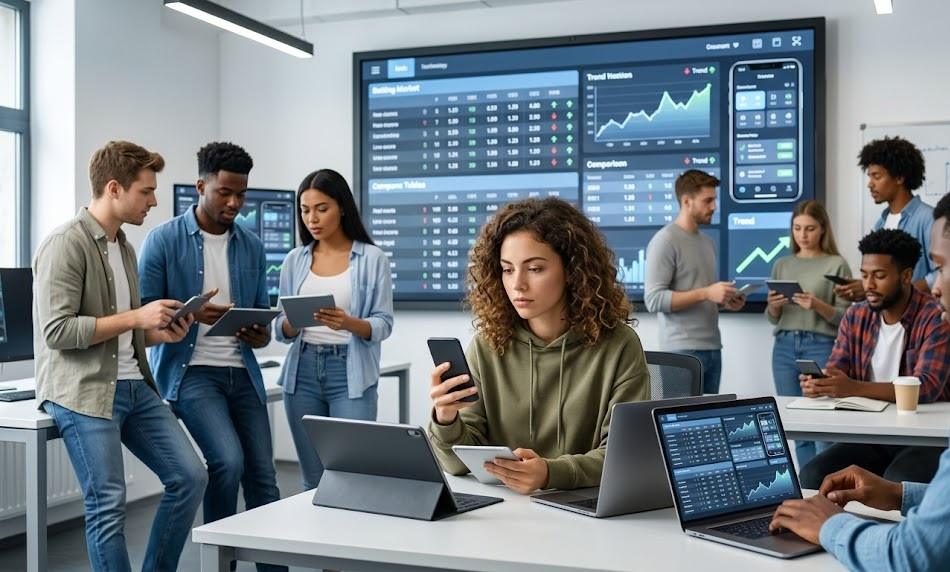
In the red corner: coaches armed with heart rate monitors. In the blue: lawyers clutching GDPR manuals. Let’s get ready to rumble. The debate over athlete data has become a modern gladiator arena. Here, sports analytics beginners and privacy hawks clash over what constitutes “progress.”
Coaches vs. Privacy Lawyers: Cage Match
Dr. Alicia Lewis of Western Michigan University doesn’t mince words: “College athletics departments are Silicon Valley’s unpaid R&D labs.” Her NCAA reform proposals reveal how universities extract 12x more biometric data from athletes than they share back. This is a data strip mining operation disguised as “performance optimization.”
On the other side, NBA analyst Marcus Osborne’s draft combine research shows a darker comedy: “Front offices meme rookie vertical leap stats like TikTok trends. One GM drafted a player because his lactate threshold graph ‘looked like the Bitcoin chart.’”
- NCAA’s new tracking rules allow 72-hour data retention windows (enough time for 3 recruiting cycles)
- 23% of D1 coaches now use digital recruitment for athletes platforms that score prospects like Uber driver ratings
- Privacy lawsuits have spiked 400% with wearable tech mandatory in high school programs
The irony? Both sides are yelling the same thing: “Know your dashboards.” Youth coaches now drill data literacy alongside free throws. Sports analytics beginners study GDPR compliance like playbooks. It’s Moneyball on steroids – with subpoenas.
| Coaches Want | Lawyers Demand | Players Get |
|---|---|---|
| Real-time fatigue metrics | Data expiration dates | Recruitment leverage |
| Biometric trend analysis | Opt-out superbuttons | Branding opportunities |
| Recruiting AI predictions | Blockchain audit trails | Lifetime health risks |
The final whistle? Even the most tech-resistant coaches now admit: Understanding your digital recruitment for athletes footprint matters more than 40-yard dash times. As one SEC coordinator growled: “If you’re not auditing your athlete’s Fitbit data, you’re just coaching punters.”
Conclusion
We’ve explored athlete data privacy with big company shoes on. By 2030, the biometric market will reach $136 billion. This is enough to buy every Olympian their own island nation (Source 1).
Northwestern’s football players have made a big win for self-tracking data ethics. They showed that locker rooms can become union halls (Source 3).
Your heart rate zones are now like corporate R&D zones. Sleep tracking data is turning into stock portfolios for tech guys who’ve never done a burpee. The real wins come when we protect personal metrics like nuclear codes.
Here’s the plan: Ask for personal API keys like you would guard your house keys. See biometrics as non-negotiable trade secrets. When your smartwatch says “new PR!”, ask who else gets the alert.
The game has changed. We’re not just tracking reps anymore. We’re negotiating data treaties.
Before wearing that next WHOOP band, think if you’re the athlete or the algorithm’s gym buddy. The final buzzer’s ringing. Will your metrics build empires or spark revolutions?