Let’s be honest – most athletes would prefer to run drills than read about tech. But what if I told you that building a ball-retrieving machine could shave seconds off your reaction time?
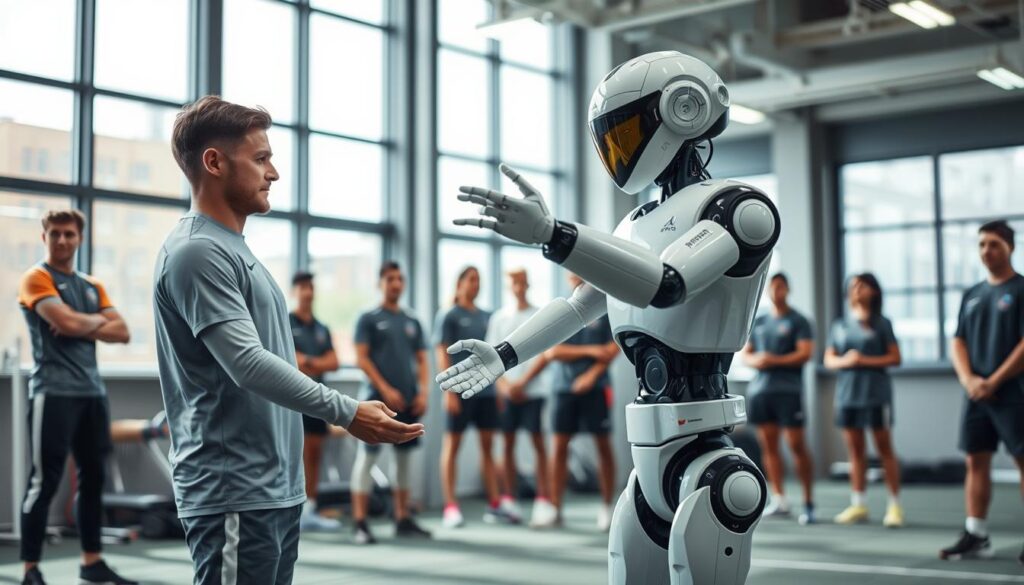
This isn’t science fiction anymore. We’re talking about the ultimate training partner that never complains about repetition. Imagine Moneyball meets Rocky IV’s training montage – except instead of chasing chickens, you’re programming drones.
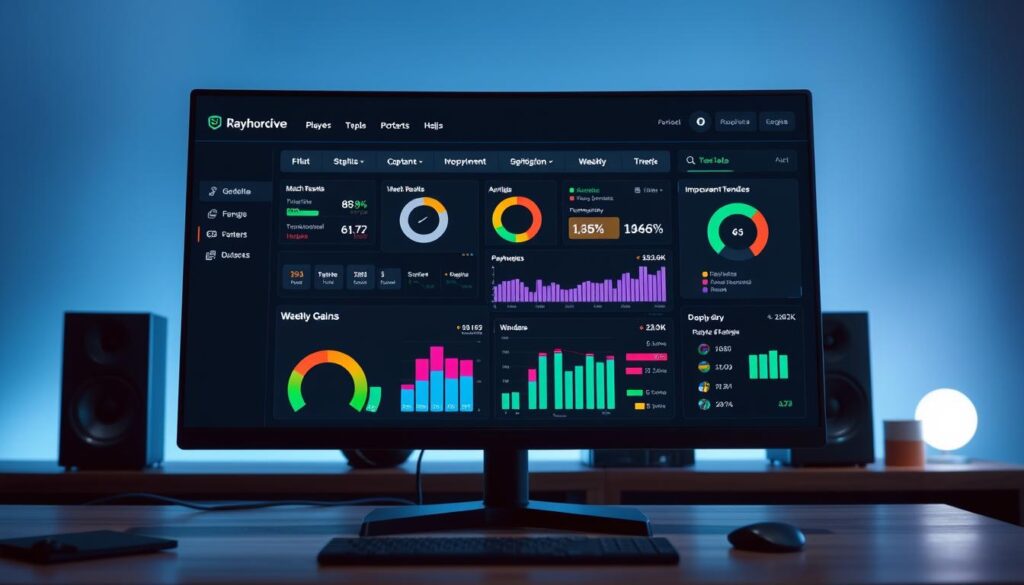
The real magic happens in the data. While human coaches bring intuition, machines bring cold, hard analytics. We’re measuring improvement with laser precision instead of guessing.
This approach develops critical thinking while promoting teamwork. It’s STEM education disguised as athletic innovation. The result? Better performance through smarter robotics in training methodologies.
Welcome to the future of robotics in sports – where every repetition counts and every millisecond matters.
Best Starter Robotics Kits
Ever looked at a bunch of electronic parts and felt overwhelmed? You’re not alone. Today’s robotics kits are like LEGO sets for adults. They let you build cool training bots without feeling overwhelmed.
Let’s talk about money. For under $50, you can get a Raspberry Pi Zero 2 W kit. These kits are real tools that can track movement and more. They’re not just toys.
Platforms like Viam make it easy. They’re like having a personal robotics butler. All the parts work together right out of the box. You just put it together and program it.
What makes these kits great for sports? Three main reasons:
- Plug-and-play simplicity – No need for soldering or a degree in electrical engineering
- Athletic-specific components – Sensors that measure speed, force, and reaction time
- Progressive difficulty – Start simple, get more complex as you learn
Here’s how the top starter kits compare for building training bots:
| Kit Type | Average Cost | Assembly Time | Athletic Applications |
|---|---|---|---|
| Raspberry Pi Basic | $45-55 | 2-3 hours | Reaction timers, ball feeders |
| Viam Pre-Configured | $60-75 | 1-2 hours | Movement trackers, drill counters |
| Sensor-Focused Kit | $50-65 | 3-4 hours | Speed measurement, form analysis |
These kits are more than just electronics projects. They’re customized training partners. You can make a bot that throws balls, runs drills, or tracks your movements.
The best part? There’s a huge community of athletes and coaches. They share code and improve designs. It’s like having a team of robotics coaches in your pocket.
Yes, you can build effective training bots without being an electrical engineer. The tools are now accessible to everyone. All you need is curiosity and a willingness to learn.
Easy Projects for Teams (Ball Retriever, Reaction Timer)
Robotics projects for teams mix tech skills with sports performance in a fun way. They’re not just science fair projects. They’re tools to boost your game.
Ball Retriever
Fetching balls is boring. It’s like doing dishes after dinner. But, what if you could make a robot do it for you?
This project turns time spent chasing balls into useful training. Your robot partner never gets tired or complains. It keeps the game going.
With basic sensors, you can make a ball-collecting robot. It’s like a sports equipment Roomba, but cooler.

This project teaches real engineering skills. You’ll learn about motors, programming, and design. And you get to use your creation.
Reaction Timer
Reaction time is key in sports. It’s the difference between catching a pass and missing it. This project helps you know your reaction time.
Using ultrasonic sensors, you can measure your reaction time accurately. It’s like having a sports scientist at home, but cheaper.
The reaction timer tests your reflexes with visual or sound cues. It records your time, so you can see how fast you’re getting. No more guessing.
This project combines electronics, coding, and testing. You’ll work with sensors, write code, and analyze data. It’s STEM education that helps your game.
| Project Feature | Ball Retriever | Reaction Timer |
|---|---|---|
| Primary Skill Focus | Mechanical design & object detection | Sensor integration & data analysis |
| Athletic Benefit | Maximizes practice time | Measures & improves reaction speed |
| Technical Complexity | Medium – requires moving parts | Medium – requires precise timing |
| Team Roles Available | Builder, programmer, tester | Coder, sensor expert, data analyst |
| Performance Impact | Immediate time savings | Long-term skill development |
Both projects are great for youth robotics teams. The ball retriever makes practice more efficient right away. The reaction timer helps athletes improve over time.
These projects are great for beginners and experts alike. They make you better at your sport while teaching tech skills.
Programming Basics
Let’s make coding simple – it’s like teaching your dog new tricks. Modern robotics in training platforms make it easy. They remove the fear that kept many coaches from technology.
Remember that scene in The Matrix with green code? That’s not what we’re doing. Today’s tools are easy to use, even for those who are not tech-savvy. They offer visual interfaces that are like building with LEGOs.
The Viam app is your digital workshop. It lets you configure components with visual tools. You’ll connect sensors to motors easily, like assembling IKEA furniture. This makes robotics in training accessible to anyone who understands sports.
When we use Python, it’s not like writing a novel. We follow simple, well-documented code. It’s like learning basic play calls, not creating an entire system.
The magic happens when sensors talk to movement components. Creating a feedback loop where a sensor triggers a motor response is key. This turns robotics in training into a real performance tool.
Sensor calibration might seem complex, but it’s just fine-tuning. It’s like adjusting a pitching machine or calibrating a speed gun. Proper calibration ensures your data is accurate.
You’ll start with simple movements like forward and backward. Then, you’ll add complexity, like rotational movements. This foundational work in robotics in training lays the groundwork for more advanced uses.
The programming acts as your digital playbook. It lets you create customized training scenarios that adjust to athlete performance. It enhances coaching, not replaces it.
Mastering these basics unlocks the full power of robotics in training. You’re not just building robots; you’re creating smart training environments that help athletes grow.
Applying Robotics in Drills
Ever wish your training partner was as consistent as a Swiss watch and as enduring as a marathon runner? Robotics in sports makes that dream a reality. Your drill partner never gets sick and always performs at their best.
Line-following robots turn dull pattern drills into precise masterclasses. These robots follow paths with laser accuracy, helping athletes improve their spatial awareness. It’s like having GPS for your footwork, always on track.
Obstacle avoidance technology makes agility training exciting and challenging. Ultrasonic sensors create environments that adapt to your skill level. It’s like playing chess against a computer that learns your moves.
Sensor-based decision making adds a new level of analytical training, similar to sports science labs. These systems track your reaction speeds, movement patterns, and decision-making. Now, you can see your progress clearly.
The best part about robotic training partners? They remove the human factors that can hinder consistency. No bad days, no fatigue, no excuses. Just constant challenge.
Programming these systems might seem complex, but today’s kits make it easy. You can customize drills to focus on specific weaknesses. This creates the perfect training scenario every time.
From drones that throw perfect spirals to defensive robots that run complex patterns, the possibilities are endless. Your imagination is the only limit, and coding skills improve with practice.
This isn’t just about playing with cool gadgets. It’s about creating training environments that challenge athletes beyond their limits. The robot doesn’t care if you’re tired. It just keeps pushing you, delivering consistent challenges. Isn’t that what elite training is all about?
Measuring Improvement
Let’s face it – most athletes are not great at judging their own progress. We often think we’re getting better faster than we really are. That’s where training bots come in. They’re like brutally honest personal trainers who don’t care about our feelings.
These robots track everything important. They measure reaction times, movement precision, and consistency. They tell us the truth, even when we don’t want to hear it. Remember when you thought you were faster last week? The data might tell a different story.
The real magic is in how they manage data. Platforms like Viam turn raw numbers into useful insights. You’re not just collecting data; you’re creating a story of progress that would make a statistician happy.
Performance tracking is your secret weapon. Those plateaus you couldn’t see? The training bots spot them easily. Now, you can adjust your training based on real data, not just guesses.
| Measurement Type | Subjective Feeling | Training Bot Data | Impact on Progress |
|---|---|---|---|
| Reaction Time | “I feel quicker” | 0.3 second improvement | Measurable, trackable gains |
| Movement Precision | “More accurate today” | 92% vs 78% accuracy | Clear efficiency metrics |
| Consistency | “Good rhythm today” | 15% less variation | Identifies pattern development |
| Fatigue Response | “Tired but pushed through” | 22% performance drop at minute 45 | Pinpoints endurance limits |
Real-time feedback systems complete the circle. You get instant feedback, not just tomorrow’s analysis. It’s like having a sports scientist in your pocket, minus the attitude.
This feedback loop is what sets serious athletes apart. In sports, as in life, what gets measured gets improved. These training bots just make sure we’re measuring the right things – and telling us when we’re not.
Collaboration Opportunities
Here’s the beautiful irony of youth robotics: you’re building machines for individual athletic improvement, but you’ll need a team to make it happen. Think of it as the sports version of “it takes a village” – except the village includes athletes, tech geeks, and coaches working together.
This isn’t just about building better robots. It’s about building better teams. The collaboration between different skill sets creates something Moneyball would envy – a true multidisciplinary approach where everyone brings their A-game.
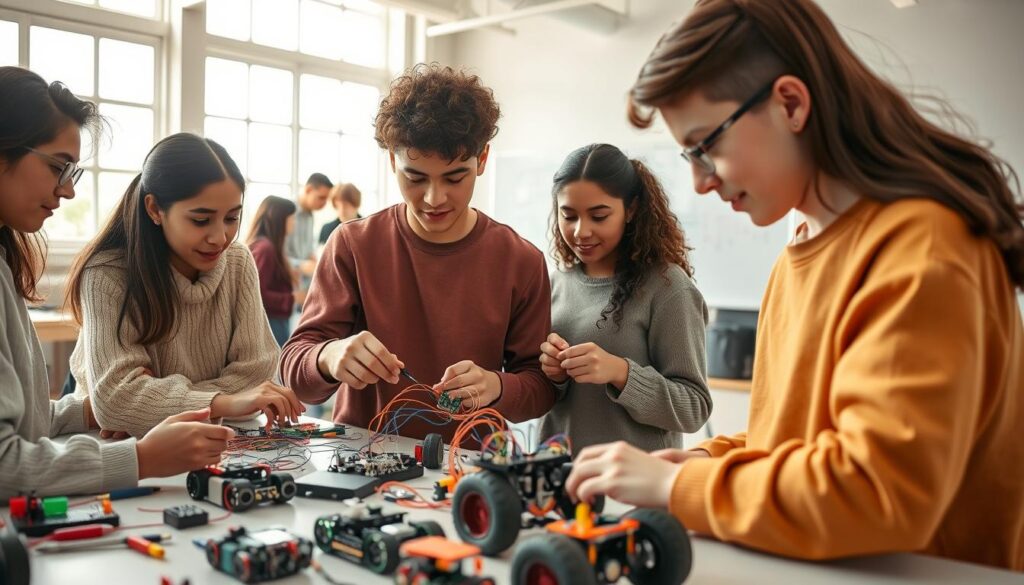
School youth robotics clubs become natural allies for athletic programs. Athletes get custom training tools while tech students get real-world applications. It’s the ultimate win-win scenario where the weight room meets the computer lab.
The benefits extend beyond your immediate circle:
- Cross-pollination of skills between different student groups
- Practical applications for STEM education in sports contexts
- Development of communication and project management skills
- Creation of symbiotic relationships that benefit entire school communities
Online communities amplify these collaboration opportunities. Discord servers and forums are filled with builders who’ve already solved the problems you’re encountering. It’s like having a global team of consultants available 24/7.
The real magic happens when these partnerships form organically. Athletes learn technical thinking. Tech students understand athletic performance. Coaches gain new training tools. Everyone wins through shared teamwork and mutual respect.
This interdisciplinary approach mirrors how professional sports organizations operate today. The days of siloed departments are over. Modern sports success requires integration between performance, technology, and innovation.
These collaborations create something more valuable than any single robot or training device: they build communities. Students learn that great things happen when diverse skills and perspectives come together around a common goal.
Conclusion
We’ve reached a point where sweat and silicon meet. Robotics in training isn’t about replacing coaches with robots like R2-D2. It’s about making athletes smarter with technology.
These training bots do more than just improve performance right away. They help athletes think systematically. This is what makes the difference between good and great players.
Robotics in sports is amazing because it prepares young people for the future. Youth robotics programs teach both theory and practice. They help develop problem-solving skills for future careers.
You’re not just making a ball retriever. You’re building a mindset. This is incredibly valuable.
Whether you’re working on reaction timers or analyzing drills, you’re gaining skills. These skills are not just for sports. They help you think better and compete better.
This is a future worth striving for.